On 29/11, at the scientific workshop "Achievements in literary research and criticism in Ho Chi Minh City from 1975 to present", Professor Huynh Nhu Phuong stated that topics concerning Southern literature before 1975 are more challenging to research than other fields due to their complex historical nature.
Beyond the studies on Vietnamese literature before 1975 edited by Professor Hoang Nhu Mai, the Faculty of Literature at the University of Social Sciences and Humanities - Vietnam National University Ho Chi Minh City has only recorded three ministerial and state-level projects, which remain incomplete.
Professor Phuong believes researchers should view Southern literature from 1954-1975 as the voice and sentiments of artists regarding the nation and its people. Before 1945, phenomena like New Poetry and the Tu Luc Van Doan literary group, which co-existed with the mainstream revolutionary literature, were once labeled "colonial literature". At that time, some argued these works undermined the spirit of youth because they did not align with the artistic direction of the period.
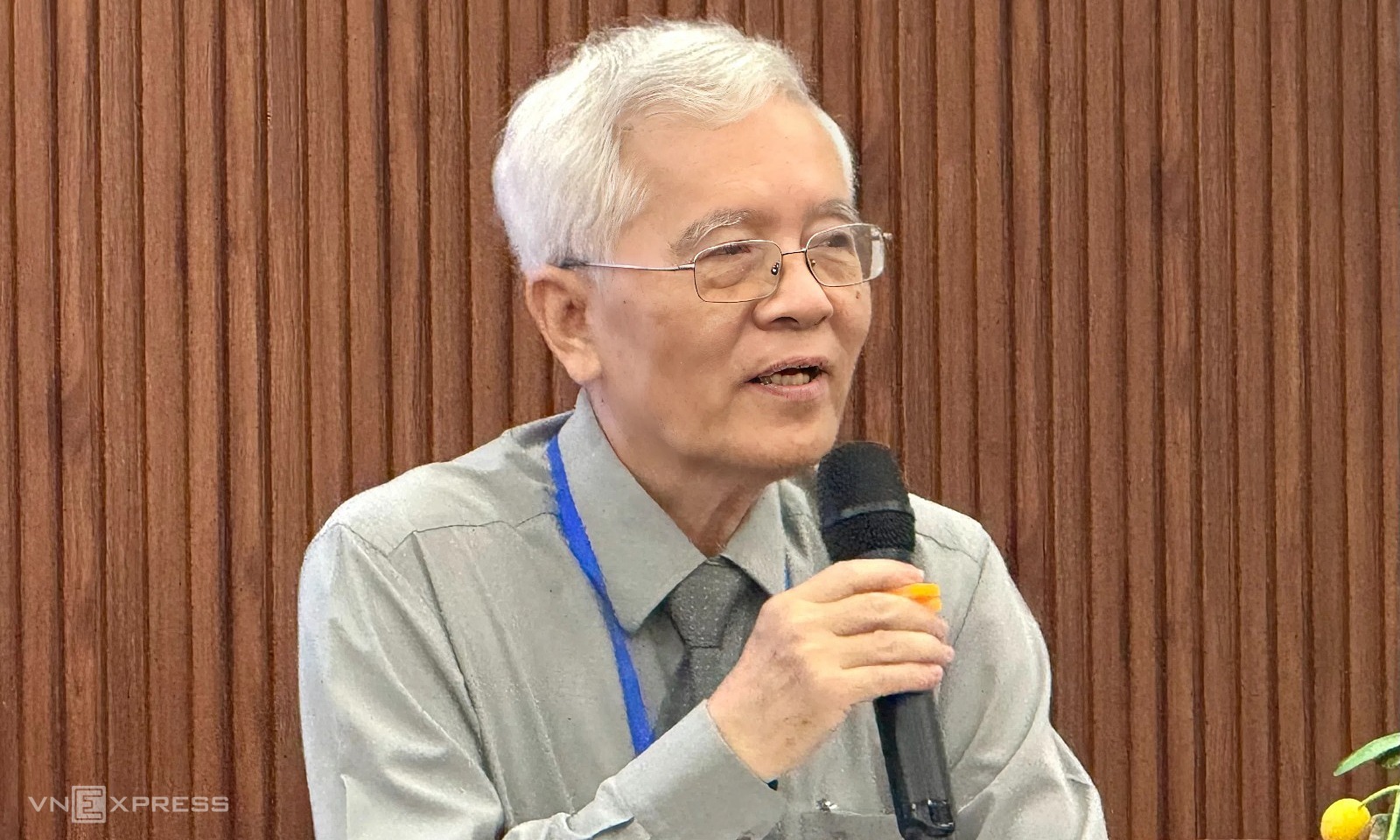 |
Professor Huynh Nhu Phuong at the workshop. Photo: Thu Giang |
The socio-political upheavals in the South inspired artists to create many humanistic works, emphasizing human beauty and dignity. The theme of the human condition during wartime was a focal point of prose from this era.
For instance, Vo Hong's short story "Nhanh rong phieu bat" (Wandering Seaweed Branch) centers on the life of Thuy, an orphan who lost her parents to war and had to wander, taking on various jobs to survive. Professor Huynh Nhu Phuong highlighted Vo Hong as a writer with humanistic ideals, honoring national culture, and demonstrating how Southern literary works at the time focused on unfortunate fates during the war.
Concurring with this view, researcher Vo Van Nhon noted that Southern novels and short stories depicted the plight of local people, such as the humble lives in rural areas, migrants from the North to the South, and victims suffering psychological trauma from family separation or losing loved ones to bombings. However, some works also served a didactic purpose, guiding readers' thoughts.
In addition to modern Southern literature, Ho Chi Minh City's folklore is considered a distinctive and vibrant part of the Southern literary heritage. Contrary to the belief that folklore only exists in rural areas, Doctor La Mai Thi Gia emphasized that Ho Chi Minh City still fosters this literary genre, including folk songs, proverbs, and urban legends.
Through a history of urbanization and migration, Ho Chi Minh City's folklore has not faded but has been recreated and adapted to modern life. The preservation and creation of these genres have evolved from oral tradition to "network transmission", appearing on game shows, YouTube platforms, and through online folk singing and storytelling clubs. Urban folk songs persist as common sayings, reflecting the memories and experiences of local residents. Examples include: "Eat in District 5, sleep in District 3, wander in District 1, snatch in District 4", or "Saigon has Chuong Duong wharf, Independence Palace, and Tu Do street".
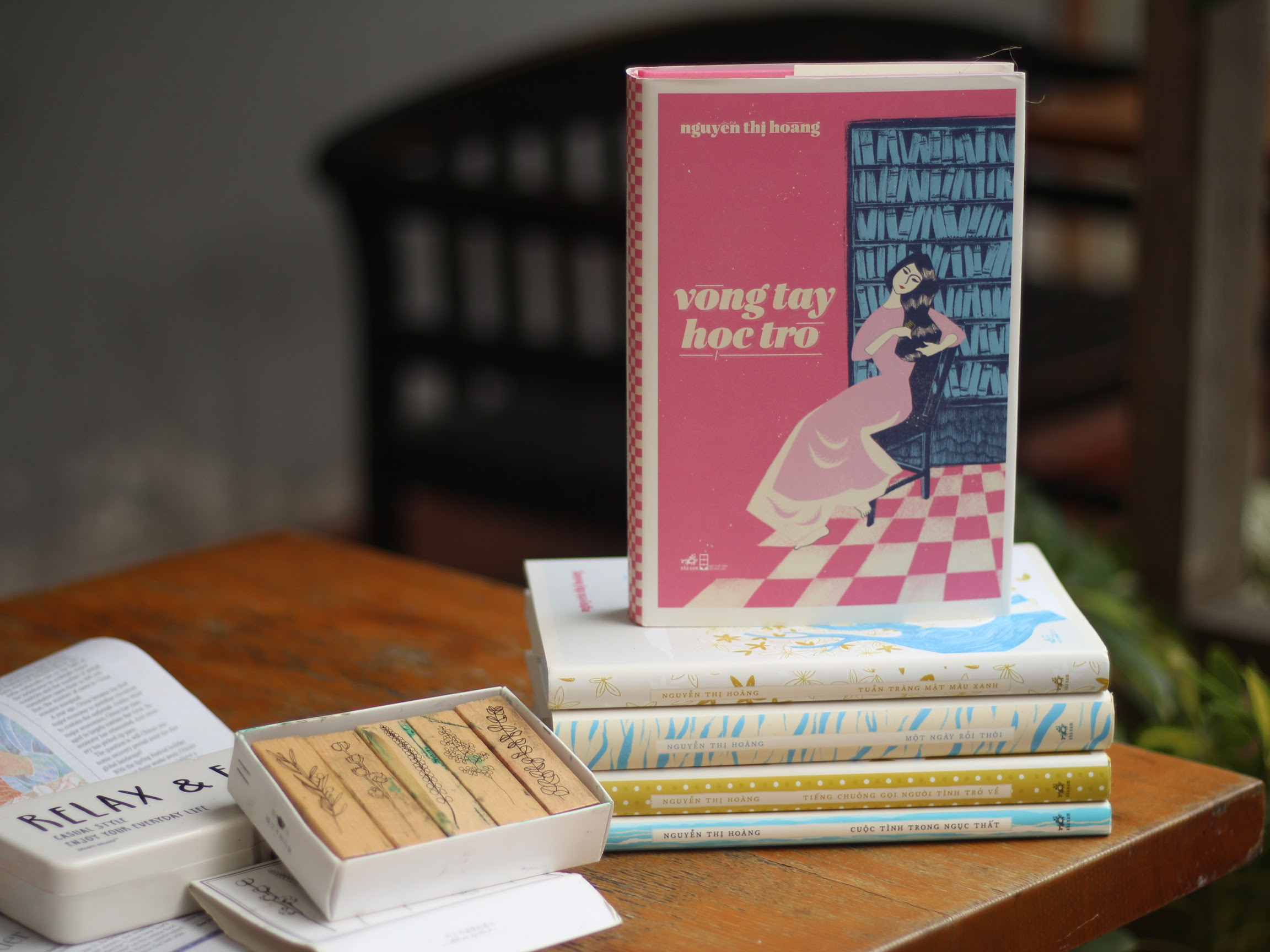 |
The novel "Vong tay hoc tro" (Student's Embrace), first published in 1964, caused a sensation in Southern literary circles. The book was reissued in 2021 by Nha Nam in cooperation with the Writers' Association Publishing House. Photo: Nha Nam |
Alongside presentations on achievements in Ho Chi Minh City's literary and artistic research, Doctor Vu Thi Thanh Tram presented a report on the collection of Han Nom documents by the Han Nom Research Department, introducing the 1820 print edition of "Tu Thu Tiet Yeu - Dai Hoc" by Bui Huy Bich.
The workshop, organized by the Faculty of Literature and Linguistics at the University of Social Sciences and Humanities - Vietnam National University Ho Chi Minh City, featured 27 presentations. Associate Professor Doctor, literary critic Doan Le Giang, Associate Professor Doctor Tran Thi Phuong Phuong, and Associate Professor Doctor Le Quang Truong chaired the event.
Thu Giang