The Ministry of Culture, Sports and Tourism released the draft decree for public comment on its website in August, though the finalization and promulgation date has not yet been announced.
According to the ministry's proposal, the national anthem is widely used in ceremonies and various events, including political, cultural, sports, and foreign affairs, as well as in social life. However, its performance often lacks consistency in arrangement, recording, tempo, and protocol. While the national anthem's use is addressed in the Constitution and numerous legal documents, these regulations are dispersed and primarily apply to specific ceremonies, events, or sectors, failing to encompass situations that arise in practice. New forms of national anthem usage have emerged in the digital environment, ranging from television broadcasts and online events to various media products. Concurrently, adherence to proper protocol remains inconsistent in some settings.
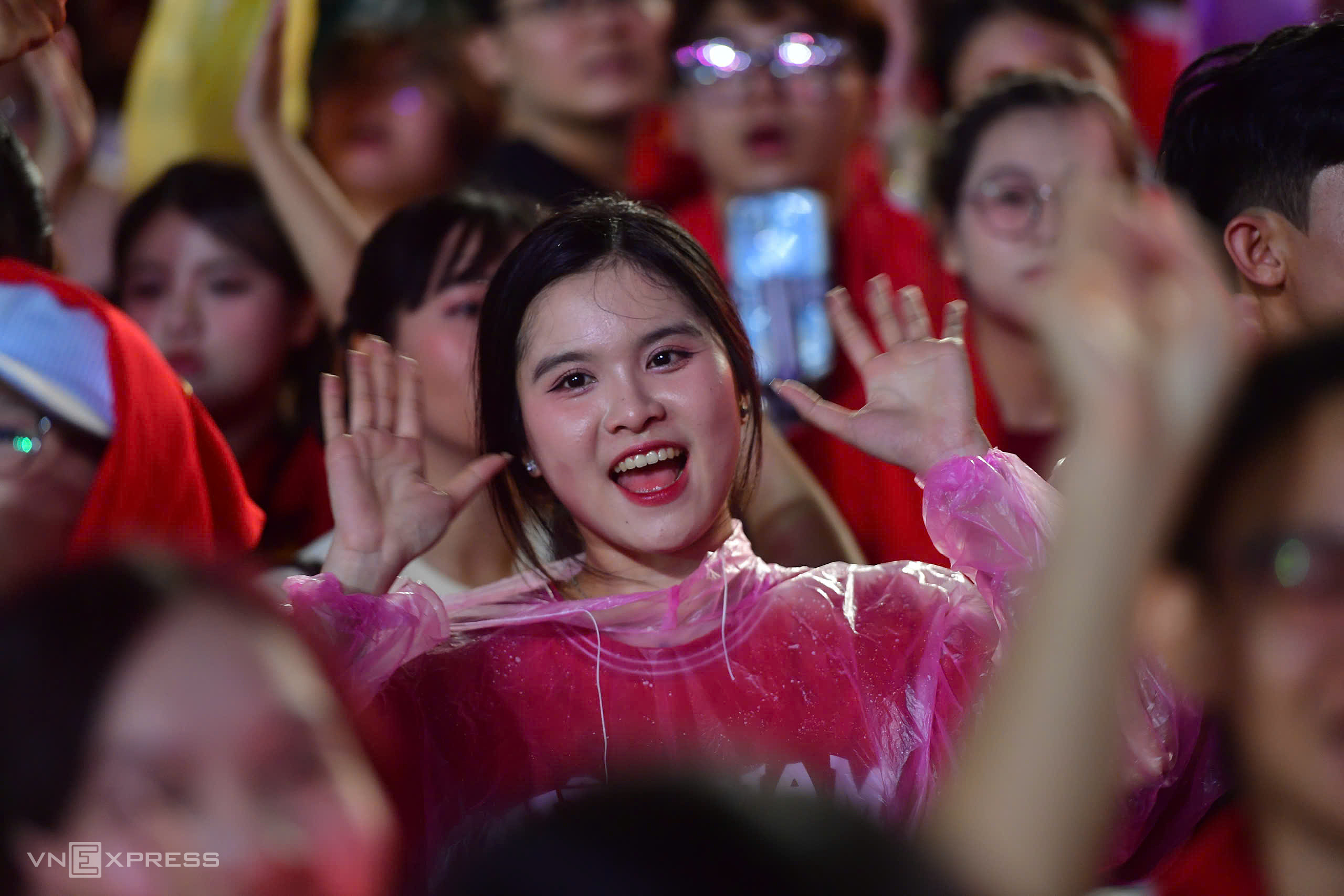
Tens of thousands of spectators braved the rain to sing the national anthem at the "Homeland in My Heart" concert, on the evening of 23/8 in Ho Chi Minh City. Video: Provided by the organizers.
The draft decree outlines seven key areas, primarily focusing on standardizing national anthem usage. These cover everything from official arrangements, recordings, and protocols to specific instances where its use is permitted or prohibited. Additionally, the regulations address the national anthem's use in digital environments, with a particular focus on artificial intelligence (AI) applications. The decree also mandates the creation of a digital database for the national anthem and clarifies the management and implementation responsibilities for state agencies, organizations, and individuals.
State agencies will be responsible for developing, appraising, and publishing official arrangements and recordings of the national anthem. These will be made publicly available on digital platforms, ensuring convenient access for all agencies, organizations, and individuals. This initiative aims to unify the anthem's lyrics, music, and performance style, with the official version serving as the definitive standard. The State will bear the costs for research, arrangement, recording, digitization, and system maintenance. All entities and the public will be able to access this standardized source free of charge.
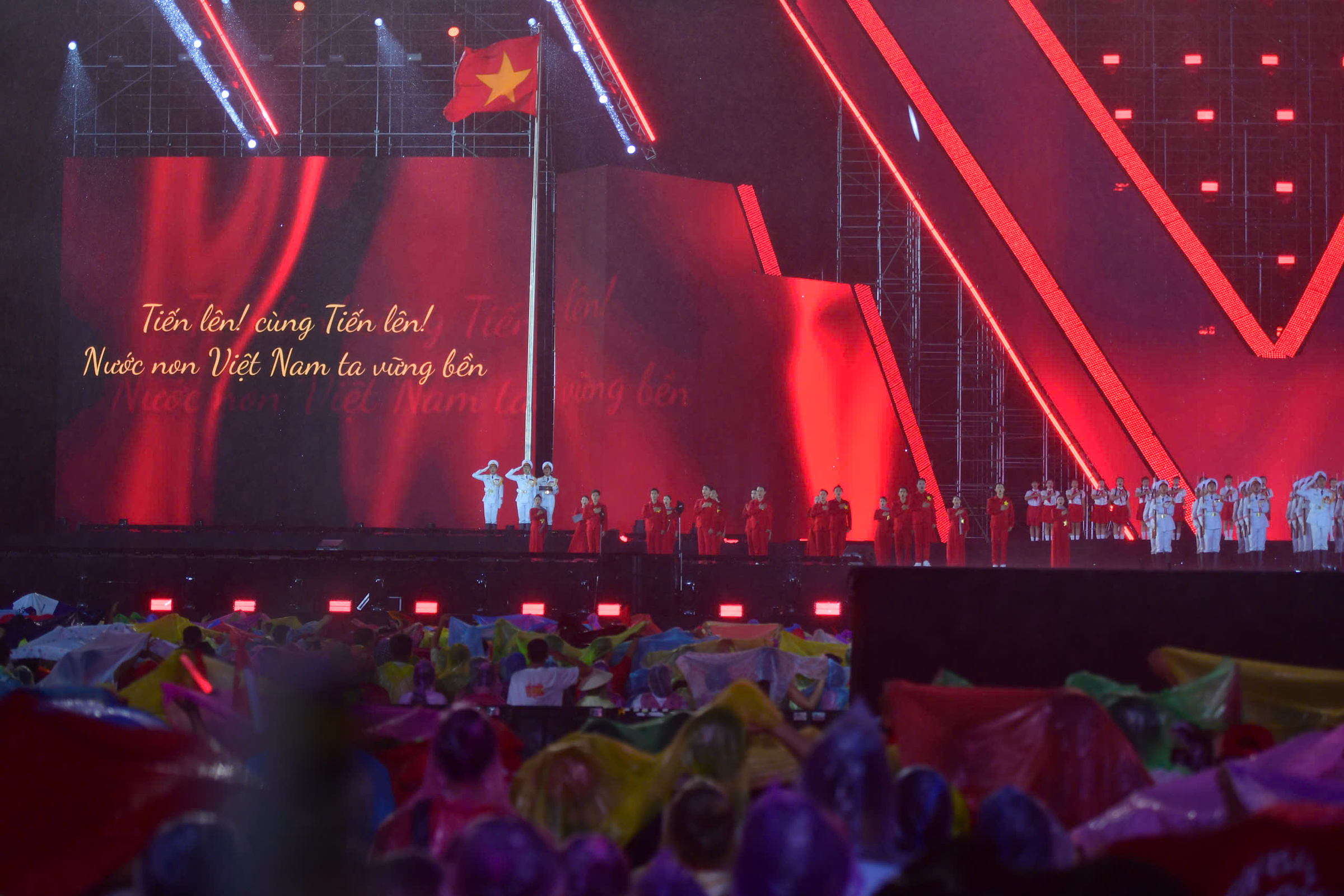 |
Artists and soldiers sing the national anthem during the "Homeland in My Heart" concert. Photo: Thanh Tung
Vietnam's national anthem, "Tien Quan Ca", was composed by musician Van Cao in 1944 and is deeply intertwined with pivotal moments in the nation's history. In August 1945, the Central Committee of the Party and President Ho Chi Minh convened the National Congress in Tan Trao. During this event, poet Nguyen Dinh Thi presented three songs: "Bai Diet Phat xit", which he composed, alongside "Chien Si Viet Minh" and Van Cao's "Tien Quan Ca". President Ho Chi Minh subsequently selected "Tien Quan Ca" to be the national anthem.
On 19/8/1945, prior to the people of Hanoi marching to seize power at Bac Bo Phu, musician Van Cao himself conducted the Pioneer Youth Choir in performing the song at August Revolution Square. Then, on 2/9/1945, at Ba Dinh Square, tens of thousands of people collectively sang the anthem as they listened to President Ho Chi Minh read the Declaration of Independence, marking the birth of the Democratic Republic of Vietnam.
Musician Van Cao recounted in his memoirs: "When I heard the voices of tens of thousands of people rise, I was deeply moved, and tears flowed. I understood then that the national anthem, 'Tien Quan Ca,' was no longer solely mine; it belonged to the people."
Ha Thu