On 20/3, Hachette Book Group, a major US book distributor and part of the French publishing group Hachette Livre, announced its decision to halt the release and distribution of Mia Ballard's novel "Shy Girl." This came after widespread social media comments suggesting the work relied heavily on artificial intelligence. The novel, initially launched in the UK in 11/2025 with over 1,800 copies, is now out of distribution. Its planned US release in May was also canceled, and the book was removed from Amazon and Hachette's website. A Hachette representative told People that the company prioritizes original creativity, leading its US and UK branches to withdraw the book from the market.
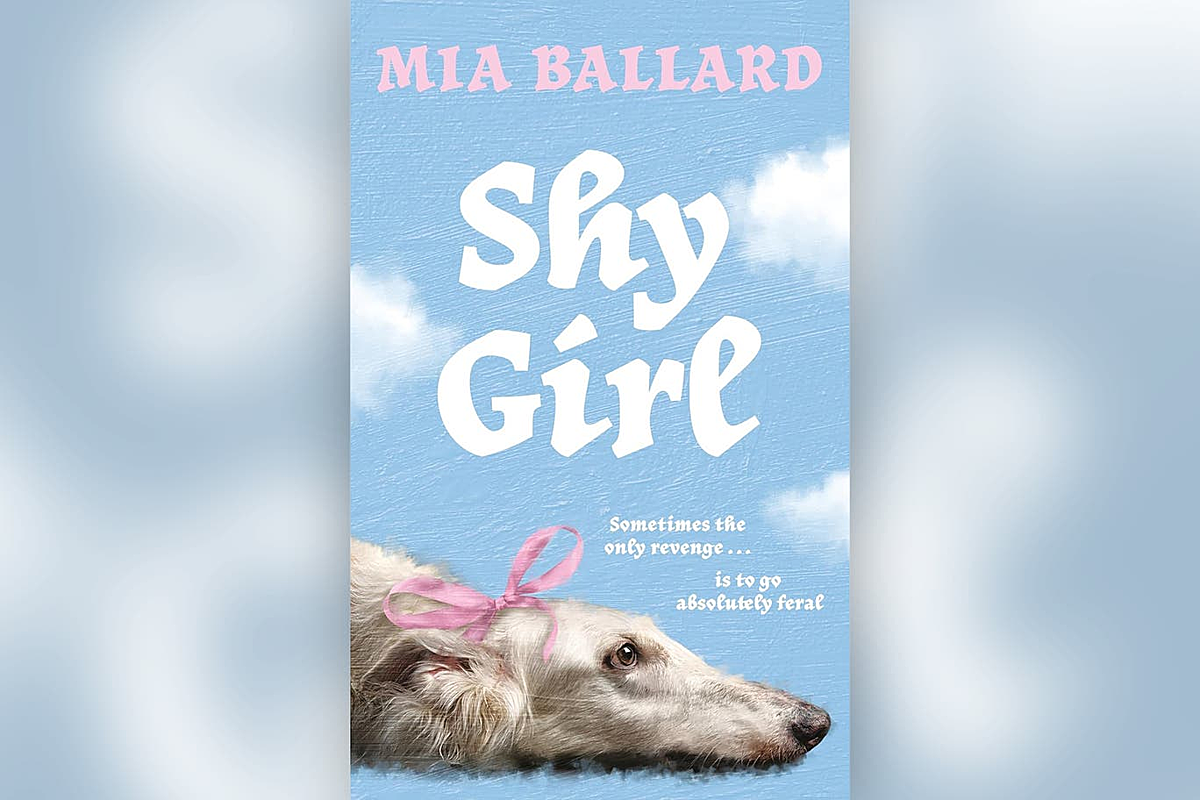 |
Cover of the novel "Shy Girl" by novelist Mia Ballard. Photo: Hachette |
Little information about author Mia Ballard exists beyond Goodreads data, which identifies her as a fantasy writer and poet. Ballard, who lives in northern California, has a passion for horror and themes of women's rage, having released two books, "Sugar" and "We All Rot Eventually: A Horror Novella," in 2024. "Shy Girl" itself, self-published in 2/2025, initially garnered positive reviews. The novel follows Gia, a "lonely, poor, depressed" woman who becomes a "pet" for a wealthy, mysterious man named Nathan, descending into madness as her confinement increases. It was lauded as a feminist story, earning 3.52/5 stars on Goodreads from over 4,900 reviews.
As "Shy Girl" gained traction, readers began noticing confusing prose and repetitive phrasing, leading to accusations of "AI slop." On Goodreads, many suspected ChatGPT authorship, citing "strange editing, numerous typos, and repetitive phrasing." A Reddit user further noted a formulaic writing style, where nearly every noun had an accompanying adjective and actions were frequently described with similes.
 |
Portrait of author Mia Ballard. Photo: TikTok/ Mia Ballard |
The controversy escalated with a YouTube video titled "i'm pretty sure this book is ai slop" by frankie's shelf. Max Spero, CEO and founder of Pangram, an AI content detection software company, then revealed his program identified 78% of the book's content as AI-written or assisted, as reported by the Telegraph. Mia Ballard, however, denies using AI directly. She claims an editor she hired used AI tools for the novel's first edition. Ballard expressed the severe impact on her mental health and reputation, stating she is pursuing legal action to protect herself.
International news outlets weighed in on the scandal, highlighting its broader implications. The New York Times, among the first to report, called "Shy Girl" "the first commercial novel to be pulled by a major publisher amid evidence of AI use." The Guardian noted the incident underscores the growing challenge publishers face with artificial intelligence. The Independent warned that the cancellation raises concerns about the increasing prevalence and difficulty of detecting AI-written novels.
Phuong Thao (according to People, Guardian, Independent)