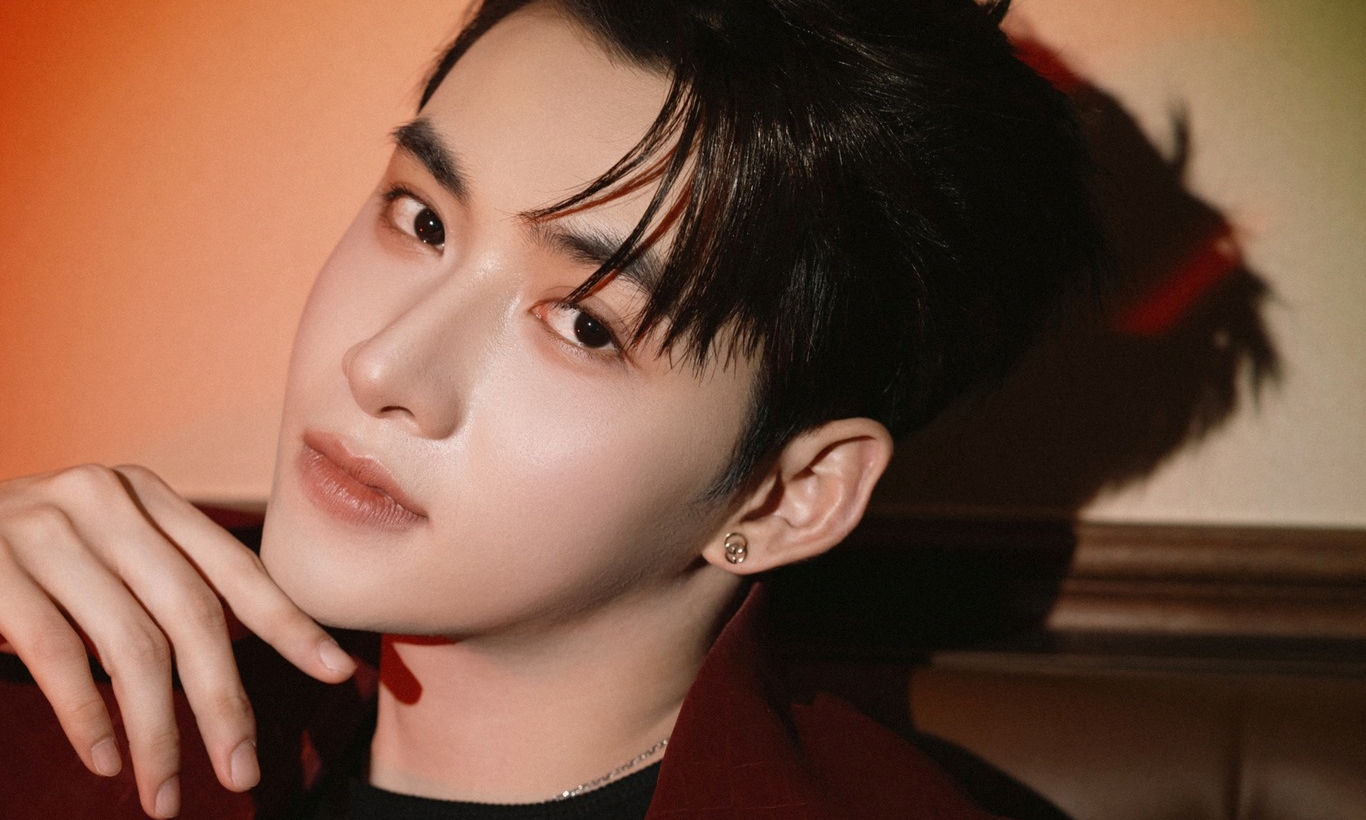
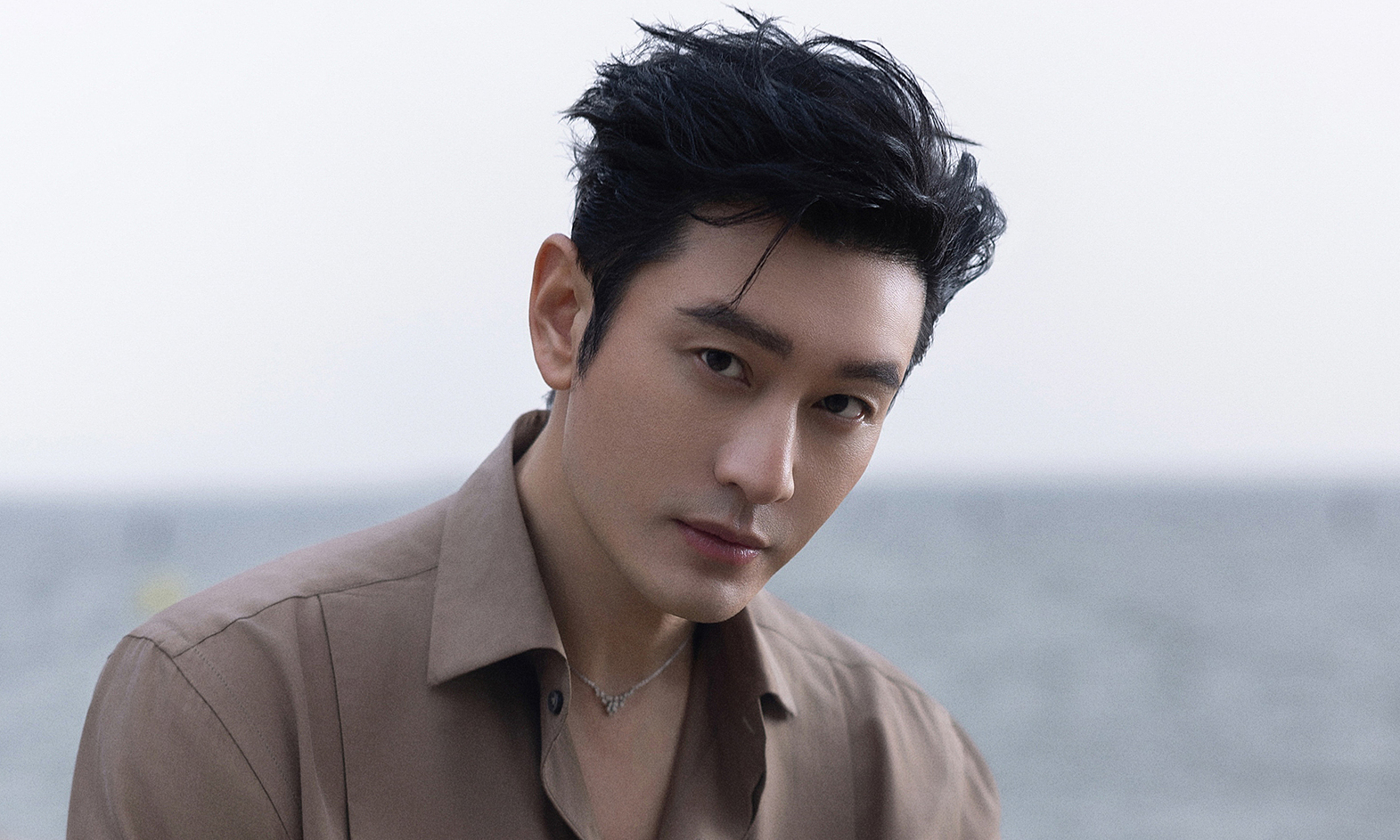
According to Hongshu Video on 2/3, during a debate with younger colleagues last year, the 74-year-old artist stated that artificial intelligence can simulate and imitate human emotions. He added that the essence of acting is to create a "fictional" story, and big data can analyze all psychological states in performance.
The actor observed that some performers, overconfident in their positions, neglect to improve their professional skills, leading to superficial and hollow performances. In contrast, AI actors offer several advantages: they do not require payment, have no time constraints, and are immune to scandals.
 |
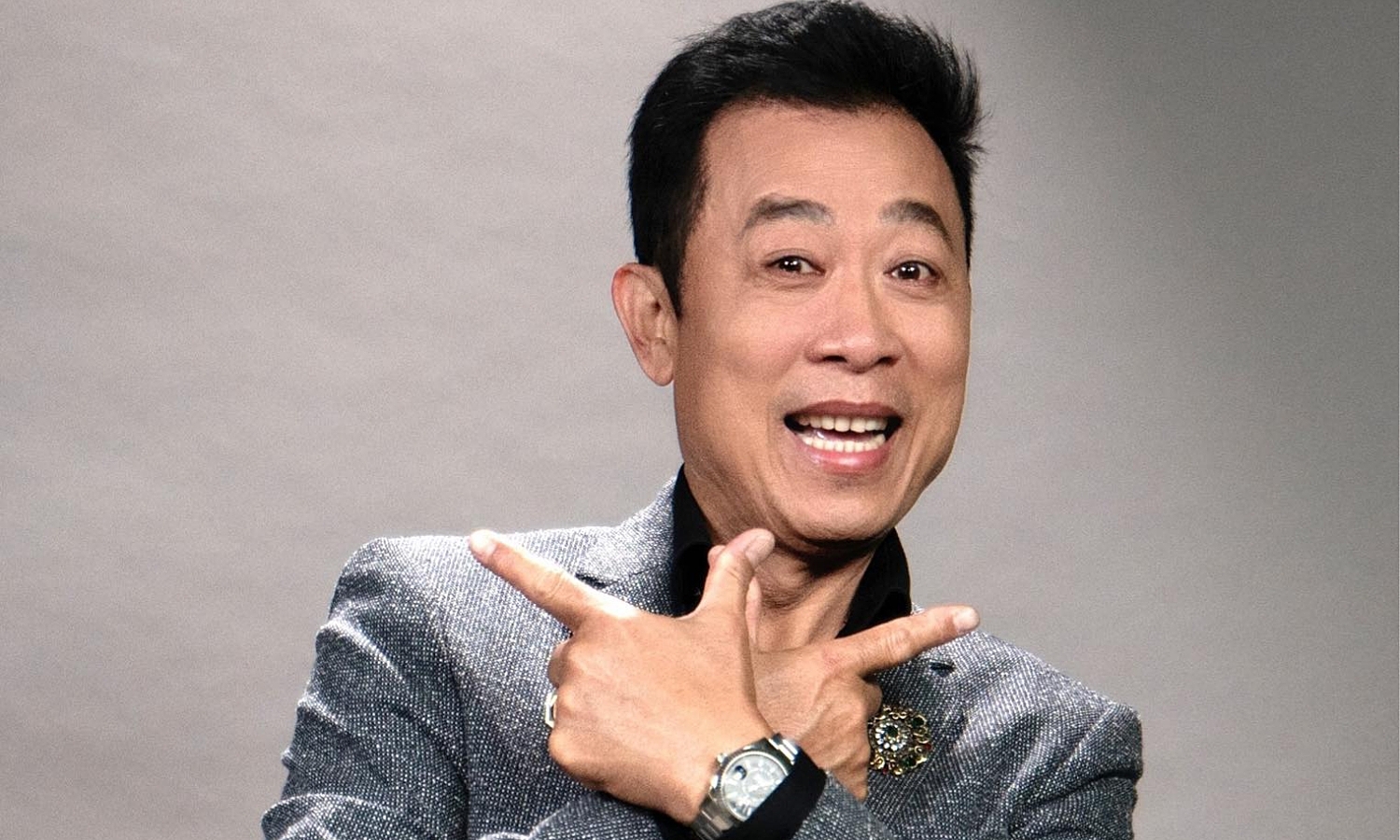
Tang Guoqiang, a veteran Chinese actor, starred in "Romance of the Three Kingdoms" and "Yongzheng Dynasty". *Photo: Mtime* |
Tang Guoqiang's remarks have resurfaced, becoming a trending topic on Weibo amidst the boom of AI short films in China earlier this year, particularly during the Lunar New Year period. Currently, viewership for AI films is almost on par with that of human-acted films. A common audience comment is: "I cannot distinguish between an AI actor and a real person".
Short film streaming platform Hongguo halted a series of human-acted projects, driven by concerns over financial losses due to the explosion of artificial intelligence-generated videos. The production cost for AI films can be dozens, even hundreds, of times lower than for human-acted films, while still ensuring effectiveness.
According to Kuai Keji, the time required to make AI short films can be just 20% of the time needed for human-acted works. Some experts in the short video field believe a large number of B- and C-list actors face job losses.
According to statistics from the DataEye platform, during the Lunar New Year period (from the first to the seventh lunar day), short film views in China reached 8.7 billion, with AI-generated content accounting for 30%. In January, the number of AI films simulating real people grew the fastest among all short video genres. This achievement far exceeded previous industry predictions.
Zhang Liwei, a director and media lecturer, stated: "AI should become the wings for film content creators. Given the current pace of development, AI short films will become an independent content format, not only popular on video platforms but also expanding to broader stages." Currently, Zhang Liwei's team is researching the production of feature films and theatrical releases.
He observed that short film directors from now on will not only need to be skilled storytellers but also need to understand technology, data, and be able to collaborate effectively with AI tools.
As Anh