 |
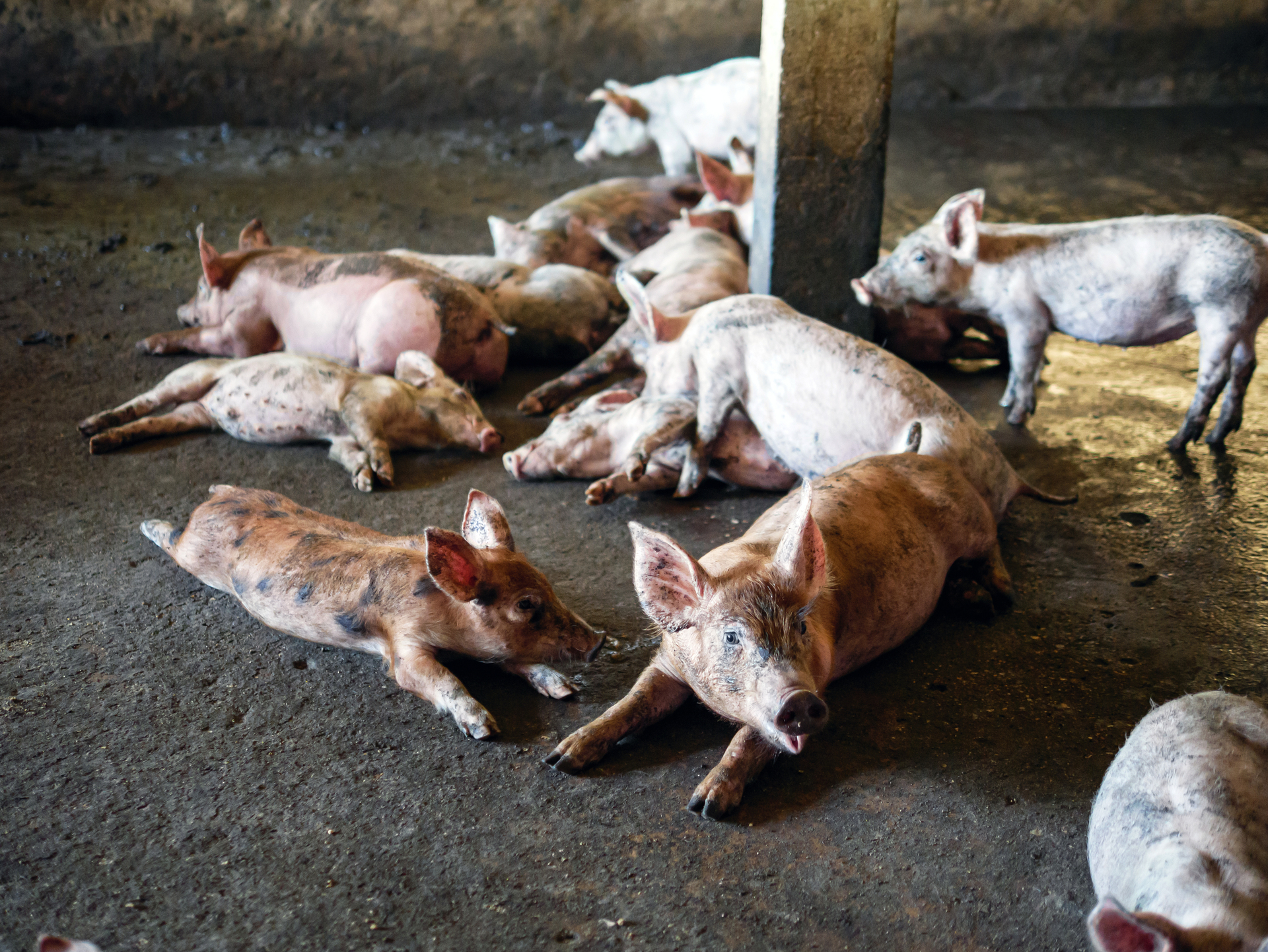
Farming without proper biosecurity can lead to pigs becoming infected and serving as intermediate hosts or sources of transmission to humans. Photo: Vecteezy |
Doctor Doan Thi Khanh Cham, Medical Manager at VNVC Vaccination System, explains that people can contract diseases from pigs through unsafe farming practices, slaughtering, processing, or by consuming undercooked meat. Japanese encephalitis, however, is not transmitted directly from pigs to humans but through mosquitoes carrying the virus.
Japanese Encephalitis
Pigs are one of the primary hosts for the japanese encephalitis virus. Culex mosquitoes feed on infected pigs, then transmit the virus to humans through bites.
After entering the body, the virus typically incubates for 5-14 days. Infected individuals may experience sudden high fever, headache, stiff neck, fatigue, and nausea; young children often cry excessively and refuse to eat. The disease carries a high mortality risk and can leave severe neurological sequelae such as paralysis, epilepsy, speech disorders, and psychiatric disorders.
In Vietnam, the disease occurs sporadically year-round, typically increasing from april to october, with peaks in june-july due to favorable conditions for mosquito breeding.
To prevent the disease, people should keep homes clean and well-ventilated, clear bushes, treat stagnant water, and, if possible, locate pigsties away from residential areas. Children should sleep under mosquito nets, wear long-sleeved clothing when playing outdoors, and use appropriate mosquito repellent. Vaccination is an effective preventive measure. Vietnam currently offers various japanese encephalitis vaccines, with the earliest available for children from 9 months old; vaccination schedules vary by type.
Streptococcus Suis
Streptococcus suis infection is caused by the bacterium Streptococcus suis, which commonly resides in the upper respiratory tract, digestive system, and reproductive organs of pigs.
Humans can contract the disease when slaughtering or processing pork through small skin abrasions, or by eating undercooked infected pork. The incubation period is short, ranging from a few hours to three days.
The disease can cause systemic infection, most commonly meningitis and sepsis. Symptoms include fever, headache, vomiting, altered consciousness, stiff neck, hearing loss, and subcutaneous or gastrointestinal hemorrhage. Severe cases can lead to multiple organ failure and death. Survivors remain at risk of sequelae such as deafness or neurological damage.
The bacteria are destroyed when food is thoroughly cooked. People should not slaughter sick pigs, avoid eating 'tiet canh' (blood pudding) or rare meat; gloves should be worn when handling raw meat, and hands should be washed thoroughly after processing.
Pork Tapeworm
Pork tapeworm can be transmitted to humans by eating undercooked pork, raw 'nem chua' (fermented pork), unwashed raw vegetables, or under poor farming, slaughtering, or hygiene conditions.
Infected individuals often show few symptoms. However, larvae can migrate to the brain, heart, and eyes, causing dangerous complications such as epilepsy, paralysis, coma, cardiovascular disorders, reduced vision, or blindness.
Prevention methods include cooking food thoroughly, not eating rare meat or 'tiet canh', maintaining good hand hygiene, choosing meat from reputable sources, and ensuring safety in farming and slaughtering.
Hepatitis E
Humans can contract hepatitis E by consuming undercooked infected pork or pig liver. Most cases do not present severe symptoms and can resolve naturally after 4-6 weeks.
However, the disease can be dangerous for immunocompromised individuals, those with liver disease, and pregnant women, especially during the second and third trimesters. These groups face a higher risk of liver failure, severe complications, or death.
To prevent the disease, people should cook food thoroughly, wash hands frequently, and maintain personal and environmental hygiene. Currently, there is no widely available hepatitis E vaccine.
 |
Youth receiving vaccination at VNVC Vaccination System. Photo: Hoang Duong |
Salmonella Infection
Pigs can become infected with salmonella bacteria by consuming contaminated food or water. The bacteria live in the intestines of pigs and can contaminate meat during slaughter.
Humans can contract salmonella by eating undercooked pork or pig offal, or through cross-contamination from knives, cutting boards, or processing tools. The disease typically causes fever, abdominal pain, diarrhea, and nausea, sometimes vomiting, within 6-72 hours after exposure, commonly 12-36 hours. Most recover after 2-7 days, but the illness can be more severe in children and the elderly.
Currently, there is no vaccine for this disease. Food handlers must keep hands and utensils clean, separate raw and cooked foods, cook thoroughly, use safe water and ingredients, and avoid preparing food when experiencing fever, diarrhea, or vomiting.
Gia Nhi