 |
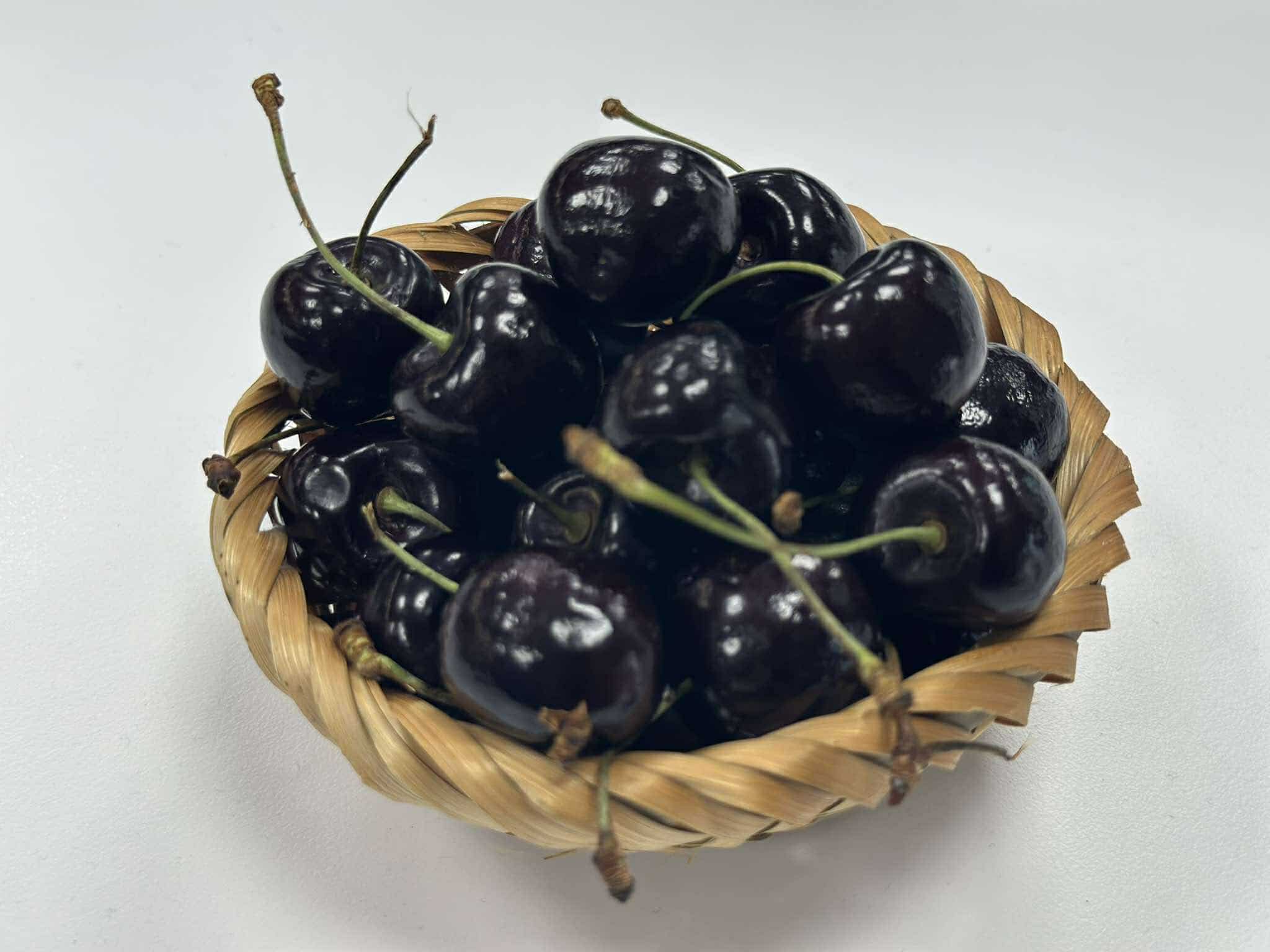
Cherries contain anthocyanin, an antioxidant compound that reduces inflammation and can help lower blood uric acid levels. According to Medical News Today, regular cherry consumption also helps reduce the risk of gout flare-ups.
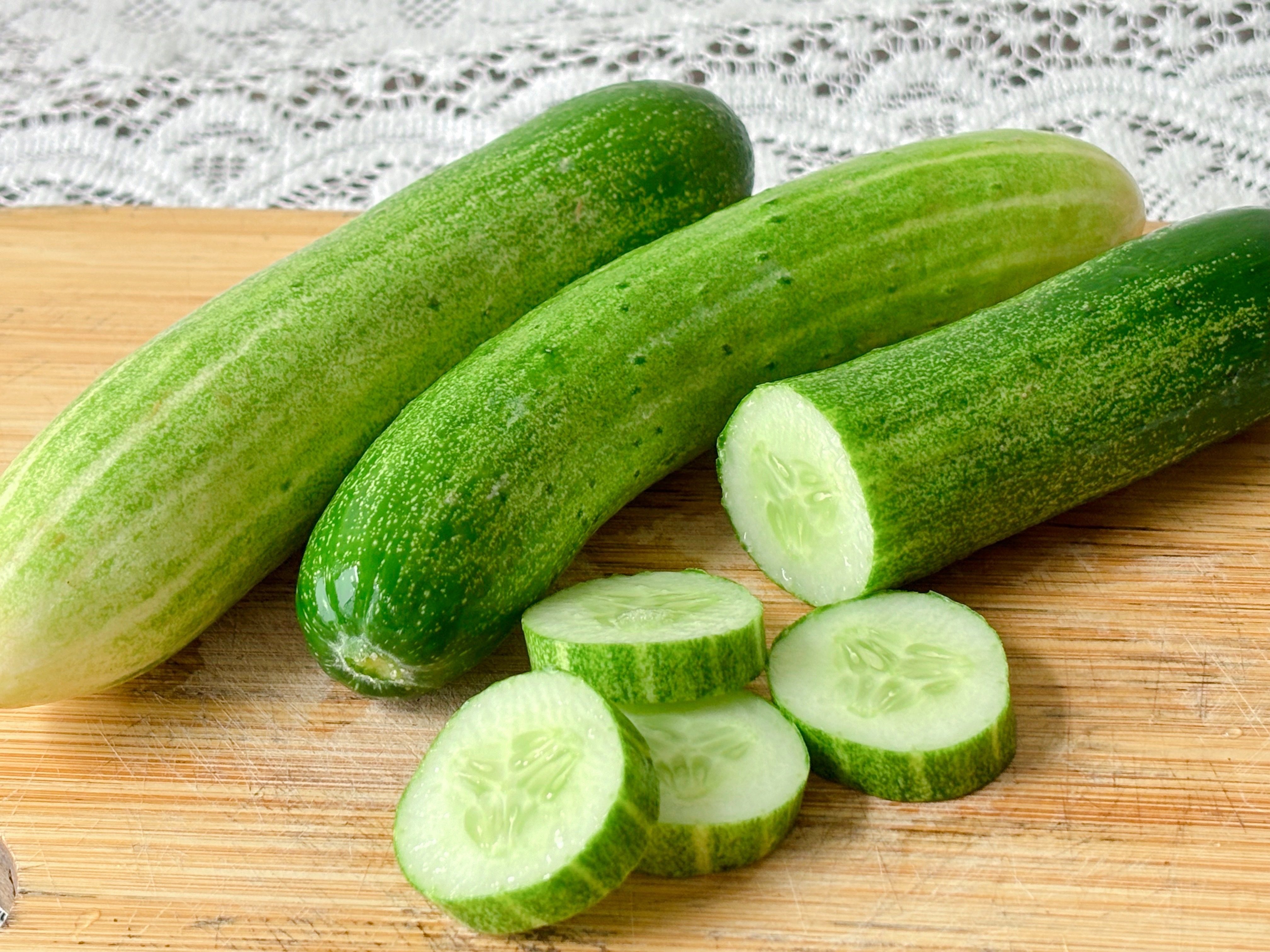 |
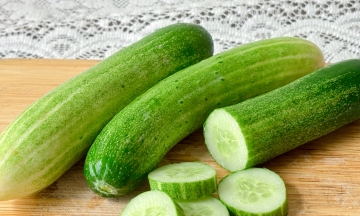
Green vegetables and fiber-rich foods such as spinach, broccoli, cucumber, celery, and zucchini provide fiber, water, and micronutrients beneficial for metabolism. Fiber helps the body control weight and supports the excretion of uric acid through the digestive tract.
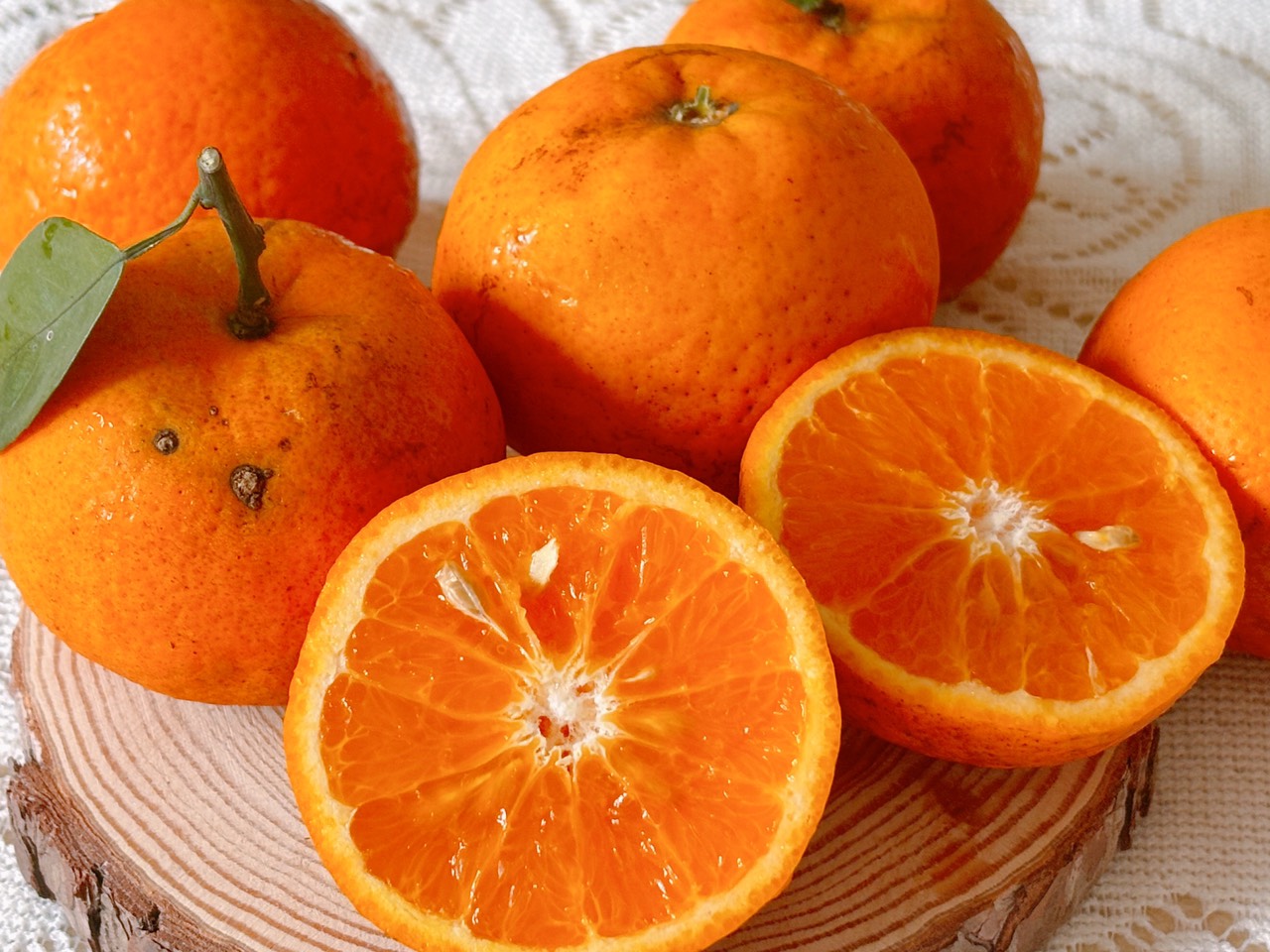 |
Vitamin C-rich fruits like oranges, grapefruit, lemons, and guava contain vitamin C, a nutrient that supports the kidneys in effectively excreting uric acid. According to Eatingwell, supplementing vitamin C from natural foods can help mildly reduce blood uric acid levels.
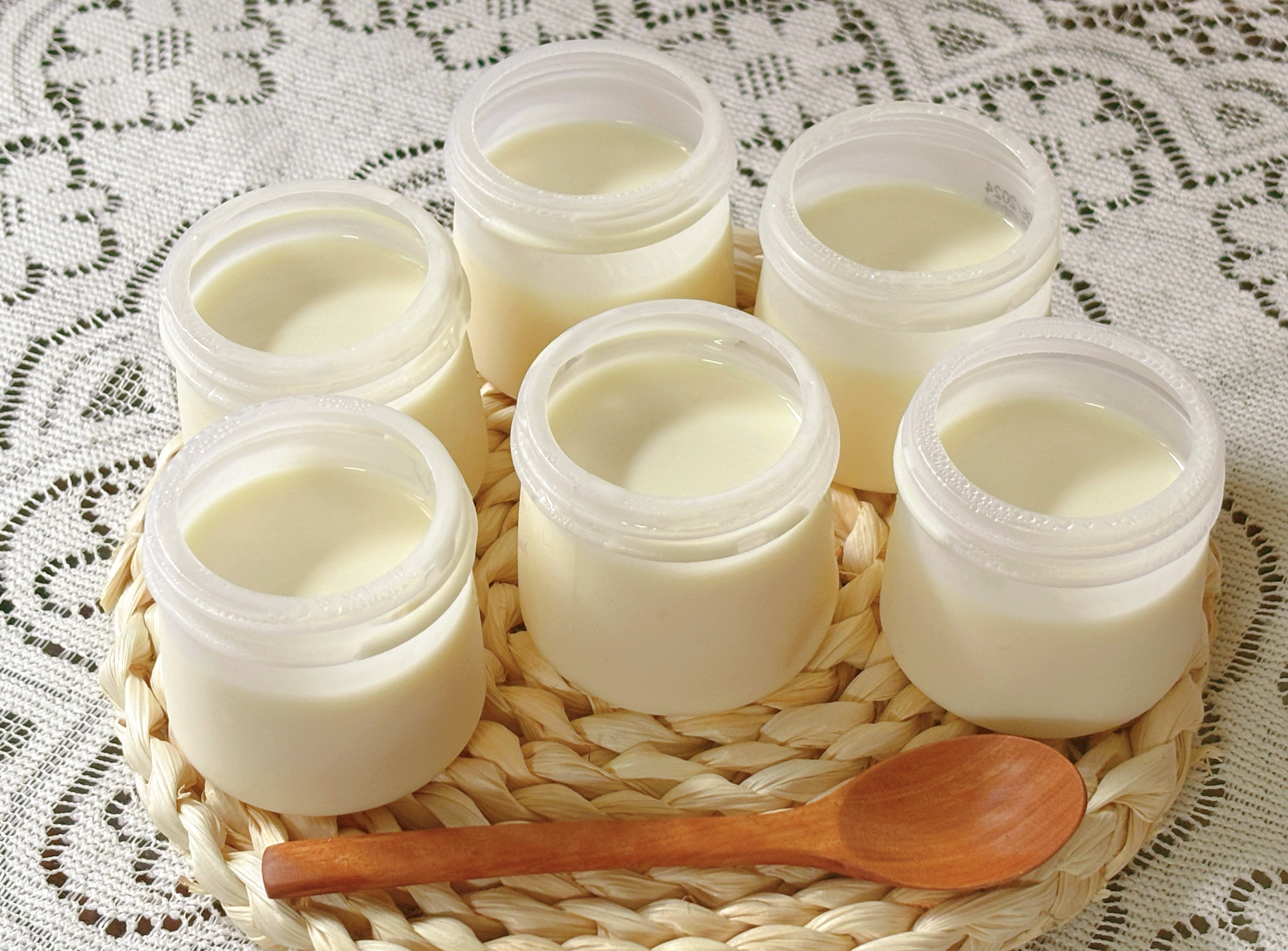 |
Low-fat milk and unsweetened yogurt are considered beneficial food groups for individuals with high uric acid levels. According to Eatingwell, protein in milk can help the body excrete uric acid through urine, providing nutrition without significantly increasing purine levels. Those with high uric acid should prioritize low-sugar products to avoid weight gain or metabolic disorders, factors that can worsen gout.
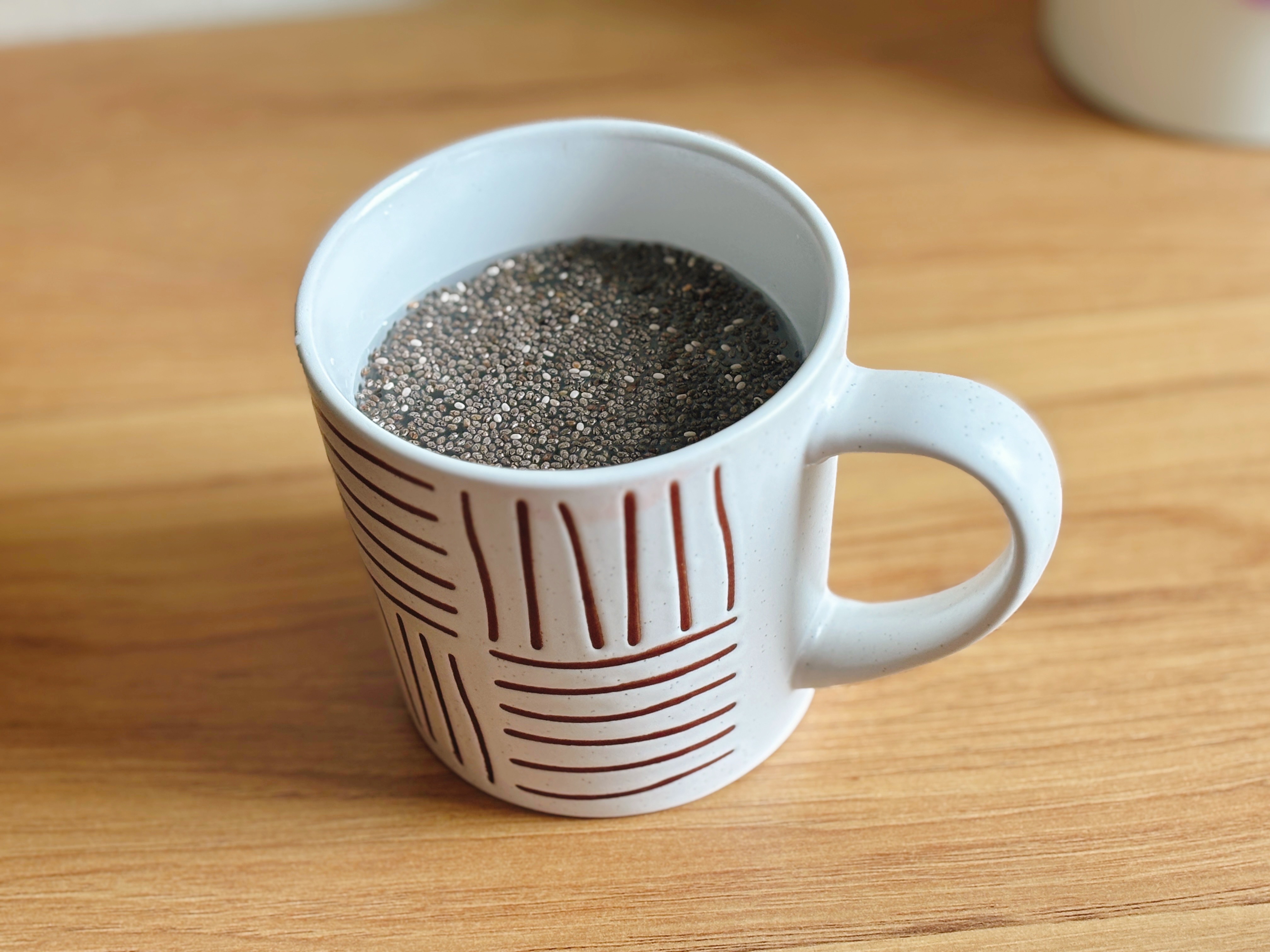 |
Nuts and whole grains, including oats, brown rice, almonds, walnuts, and chia seeds, provide healthy fats, fiber, and slow-absorbing carbohydrates. These foods help stabilize blood sugar, support weight control, and reduce inflammation. According to Times of India, maintaining a plant-rich diet and limiting processed foods and refined sugars contribute to long-term uric acid control.
By Bao Bao (Compiled)
Photos: Ngoc Pham, Bao Bao