The stomach is a crucial digestive organ, leading many to focus on "nurturing" it. However, Doctor Hoang Hien, a specialist in Internal Medicine and Emergency Resuscitation, explains that the stomach does not require extreme protection. Instead, it needs proper stimulation, consistent function, and dynamic balance.
On his personal page, Doctor Hoang shared that he frequently encounters patients who claim to be "nurturing their stomach" by only consuming porridge, avoiding meat, drinking milk, and eating soda crackers. He warned: "If the stomach consistently processes only soft, monotonous, or 'safe' foods, it will resemble an unused muscle, gradually weakening."
Below are five common mistakes in stomach care, as compiled by the doctor:
Continuous porridge consumption
Prolonged consumption of porridge makes the stomach "lazy." The doctor recommends that once acute indigestion symptoms subside, patients should gradually return to a normal diet to maintain contractile function.
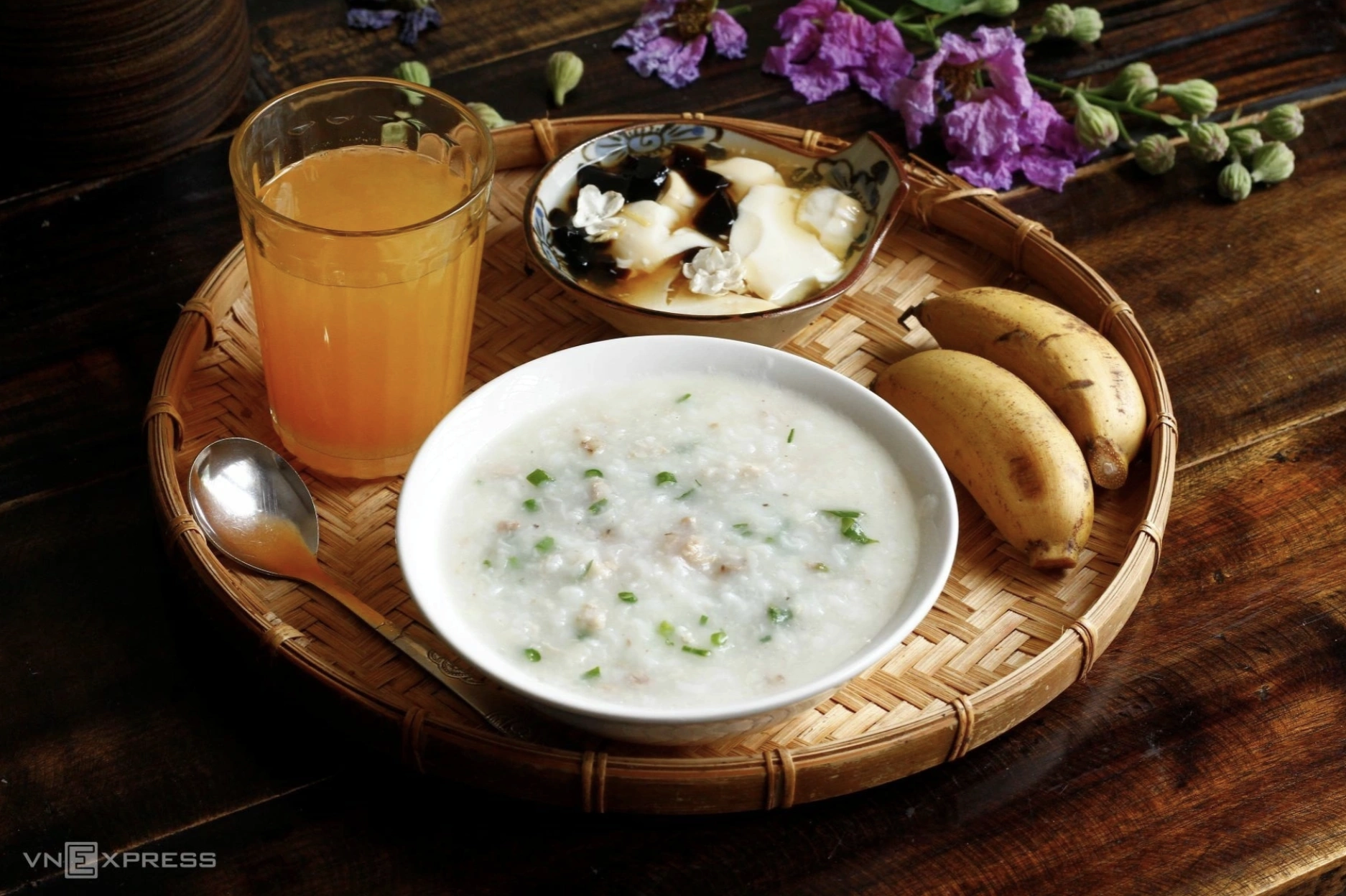 |
Prolonged consumption of porridge can make the stomach "lazy." Illustration: Bui Thuy
Drinking milk
Milk can cause an "acid rebound," increasing stomach acid secretion. For some individuals, drinking milk can even worsen abdominal discomfort.
Using soda crackers
Soda crackers only temporarily neutralize stomach acid due to their mild alkalinity. Long-term overuse of this food disrupts the natural balance of stomach acid levels.
Eating ginger to "warm the stomach"
Ginger is only suitable for those with a "cold stomach" (stomach lacking contractile motility). Conversely, for individuals with a "hot stomach," eating ginger can intensify burning pain.
Vegetarianism for stomach care
The stomach lining's recovery requires protein. A prolonged vegetarian diet, deficient in protein, significantly impairs the stomach's ability to self-repair and recover.
Doctor Hoang Hien emphasizes that the core of stomach care is not "avoiding food" but "restoring function." He offers the following advice:
Eat regularly: Maintain a stable eating schedule.
Chew thoroughly, swallow slowly: Reduce the mechanical burden on the stomach.
Balanced nutrition: Especially focus on adequate protein intake.
Limit irritants: Reduce oily and spicy foods.
Manage stress: The stomach is often called the "organ of emotion"; unstable moods directly affect digestion.
My Y (According to Yahoo TW)