|
Fruit juices can harm tooth enamel. When the pH in the mouth drops below 5,5, tooth enamel loses minerals due to the acidic environment. This weakens its structure, making teeth more susceptible to wear, erosion, and damage during chewing or brushing.
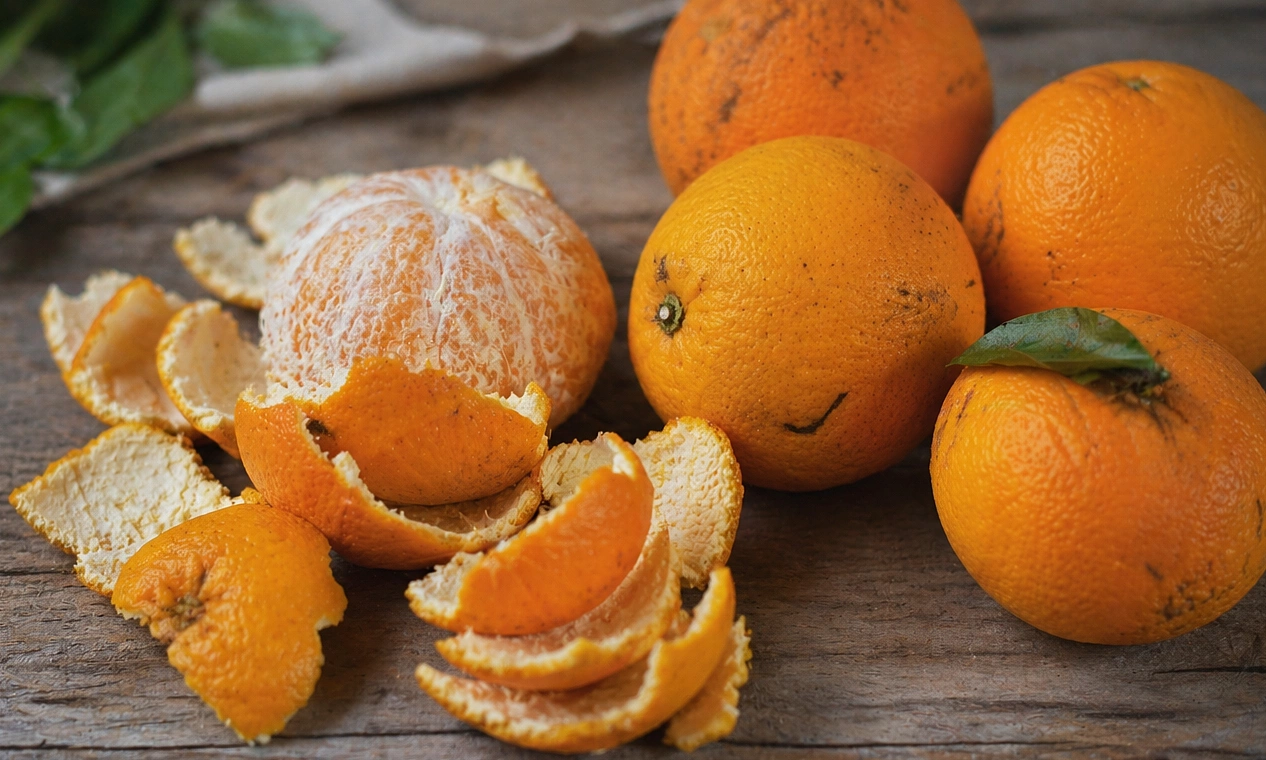
Citrus juices, such as orange and tangerine, have a low pH (around 2,0-3,5) and contain citric acid. This can lead to the loss of minerals like calcium and phosphate from the enamel, increasing erosion risk. Pineapple and pomegranate juices can have similar effects. Bottled fruit juices pose a greater risk than fresh juices because they often contain added citric acid and vitamin C for preservation.
 |
Soft drinks and carbonated beverages also pose a threat to enamel. Soft drinks have a low pH and contain multiple acids, including carbonic, citric, and phosphoric acids. Phosphoric acid is especially damaging as it removes calcium from teeth.
Each time a soft drink is consumed, the acidic environment in the mouth can persist for about 20 minutes. Therefore, continuous sipping significantly increases the risk of enamel damage. While sugar-free carbonated water is less harmful, flavored or sugary varieties still elevate the risk of enamel erosion.
 |
Pickled foods, with their high acetic acid content, are another enamel threat. Vinegar and pickled vegetables contain high levels of acetic acid. This acid can harm tooth enamel, causing erosion and making teeth weak and vulnerable to damage.
 |
Sugary and starchy snacks contribute to enamel erosion. Foods like cakes, potato chips, and bread, when chewed, convert into sugars. This creates a favorable environment for bacteria in the mouth to produce acids. These snacks also tend to stick to tooth surfaces, prolonging contact and increasing the risk of enamel damage.
Candies also contain high sugar content, but their impact varies by type. Hard candies prolong tooth exposure to sugar, sour candies combine both acid and sugar, while sticky candies are difficult to clean from tooth surfaces.
 |
Dried fruits, despite their healthy image, can also be detrimental to enamel. Varieties like raisins, dried apricots, and dates are sticky and easily adhere to teeth. This creates a favorable environment for bacteria to grow and produce acids, leading to cavities. Due to their concentrated nature, these fruits also contain higher amounts of sugar compared to fresh fruit.
Bao Bao (According to Verywell Health)
Photos: Bao Bao, Bui Thuy