Clogged milk ducts are a common issue for postpartum women. Doctor Duong Viet Bac, from the Department of Obstetrics and Gynecology at Tam Anh General Hospital Hanoi, explained that this condition occurs when milk is not fully drained, leading to accumulation in the milk ducts and sinuses.
In mild cases, mothers may experience symptoms like firm, engorged breasts and localized lumps. If milk stasis persists, bacteria can easily invade and grow, leading to mastitis or breast abscesses, often accompanied by fever. For mild clogged milk ducts, new mothers can try these home remedies.
**Breastfeed frequently**
Immediately after birth, mothers should breastfeed early to stimulate the milk ejection reflex, helping to fully release colostrum. Mothers should breastfeed on demand, averaging 8-12 feedings daily, then every 2-3 hours. If not too painful, mothers should nurse from the engorged breast first, as the baby will exert the strongest suction force there.
**Change breastfeeding positions**
Correct breastfeeding positions ensure effective milk drainage from all areas of the breast. When feeding, the baby's body should be close to the mother's, with a wide mouth and deep latch. Mothers should vary breastfeeding positions, such as the cradle hold, cross-cradle hold, or football hold, to ensure even milk drainage. It is best to empty one breast before switching to the other.
**Apply warm compresses to breasts**
Mothers can use a soft towel soaked in warm water and apply it to the breast for about 5-10 minutes, or gently roll a glass bottle filled with warm water over the engorged area to help dilate the milk ducts. Warm compresses should be applied before breastfeeding or pumping. Use only moderately warm water; avoid excessively hot water or prolonged application to prevent burns.
**Massage breasts**
Mothers should use their palm or fingertips to gently massage the entire breast in a circular motion, moving from the outer area gradually towards the areola and nipple. This helps to push out stagnant milk. For any hard lumps, massage more thoroughly but gently. Mothers should combine massage during or immediately after applying a warm compress.
**Pump after baby finishes feeding**
After each feeding, if the baby has not emptied the breast, mothers should hand express or use a breast pump to remove any remaining milk. This helps prevent milk stasis and clogged ducts. When using a pump, start with the massage mode for a few minutes to stimulate the milk let-down reflex, then switch to the expression mode. Always pump gently.
 |
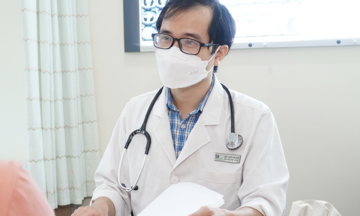
Doctor Bac is consulting a woman. Photo: Tam Anh General Hospital |
**Avoid pressure on breasts**
During breastfeeding, mothers should wear well-fitting bras made of soft, stretchy material that provides good support. Avoid overly tight bras, those with rigid underwires, or prolonged breast compression, as these can impede milk flow. When resting, mothers should lie on their back or side, limiting prone positions. Avoid strenuous activities, exercises, or sports that exert strong, direct impact on the chest area to protect breast tissue.
**Stay hydrated**
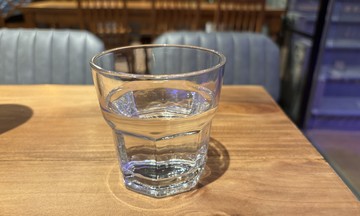
Water is the main component of breast milk. Dehydration reduces milk supply, making milk thicker and harder to flow. According to Doctor Bac, new mothers need to drink enough water daily, averaging about 2,5-3 liters or more. Prioritize warm water, consumed in small, frequent sips throughout the day for better absorption and to stimulate milk production.
**Maintain a balanced diet and lifestyle**
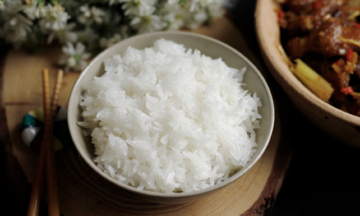
After childbirth, mothers need to maintain a balanced diet, rich in all nutrient groups. Daily meals should include sufficient protein, healthy fats, carbohydrates, and essential vitamins and minerals like iron, calcium, and zinc. Eating regularly and on time helps ensure consistent milk secretion, reducing the risk of milk accumulation in the breasts.
Adequate rest and a relaxed state of mind also help maintain a steady milk supply. Mothers should rest when the baby sleeps and seek support from their husband or relatives for baby care to reduce stress and promote faster recovery.
Doctor Bac advises mothers to seek prompt medical attention if they experience persistent breast engorgement, feel hard lumps, or prolonged pain despite using home remedies.
Trinh Mai
| Readers can submit questions about obstetrics and gynecology here for doctors to answer |