Stroke after exercise, a cerebrovascular accident involving blocked or ruptured blood vessels, occurs during or immediately after physical activity. It often results from dehydration, high-intensity exertion, or the activation of underlying medical conditions like high blood pressure or cardiovascular disease.
Doctor Le The Phi, from the Department of Neurology and Stroke at Tam Anh General Hospital Hanoi, identifies several post-exercise errors that can elevate stroke risk.
**Consuming alcohol or beer**
After exercise, the body sweats and loses significant fluids. Alcohol's diuretic effect can thicken blood, increasing the risk of clot formation. Furthermore, alcohol can induce heart rhythm disorders, including transient atrial fibrillation, which allows clots to form in the heart and travel to the brain, potentially causing a stroke.
According to Doctor Phi, after strenuous exercise, the liver and kidneys work harder to metabolize alcohol, adding stress to these organs. Following intense physical activity, prioritize rest, rehydration, and proper nutrition. Monitor for unusual symptoms like dizziness, palpitations, or chest pain to ensure prompt action.
 |
Avoid consuming alcohol immediately after exercise. *Hoang Nguyen* |
**Taking a cold shower**
Immediately after exercise, peripheral blood vessels dilate to release heat. Sudden exposure to cold water triggers systemic vasoconstriction, rapidly increasing blood pressure and forcing the heart to work harder. Postural changes while showering, such as prolonged standing, bending, or sudden turns, cause significant hemodynamic fluctuations, potentially leading to dizziness, fainting, or acute myocardial ischemia.
After intense exercise, individuals should rest to allow their bodies to cool down gradually. It is advisable to wipe away sweat, wear light clothing to stay warm, and then shower with warm water. While showering, avoid prolonged standing, limit bending or sudden postural changes, and consider sitting if feeling fatigued. Shower quickly in a draft-free room, dry off, and keep the body warm to help stabilize cardiovascular function.
**Consuming energy drinks or caffeine**
Caffeine stimulates the sympathetic nervous system, leading to a rapid heartbeat, increased blood pressure, cerebral vasoconstriction, and added strain on the heart. Doctor Phi notes that after exercise, some individuals may experience palpitations, dizziness, or heart rhythm disorders. This risk escalates with high consumption of energy drinks in a short period or when combined with alcohol.
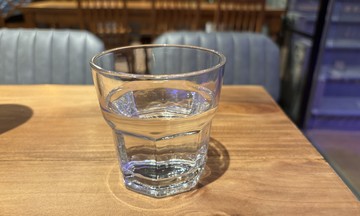
After exercise, drink plain water in small sips, avoiding excessive intake at once to prevent cardiovascular shock. Prioritize plain water, properly mixed oresol solution, or natural electrolyte sources such as coconut water or diluted fruit juices (orange, watermelon). These help replenish lost fluids and mineral salts from sweat, contributing to stroke prevention.
Hang Tran
| Readers can submit questions about neurological conditions here for a doctor's response. |