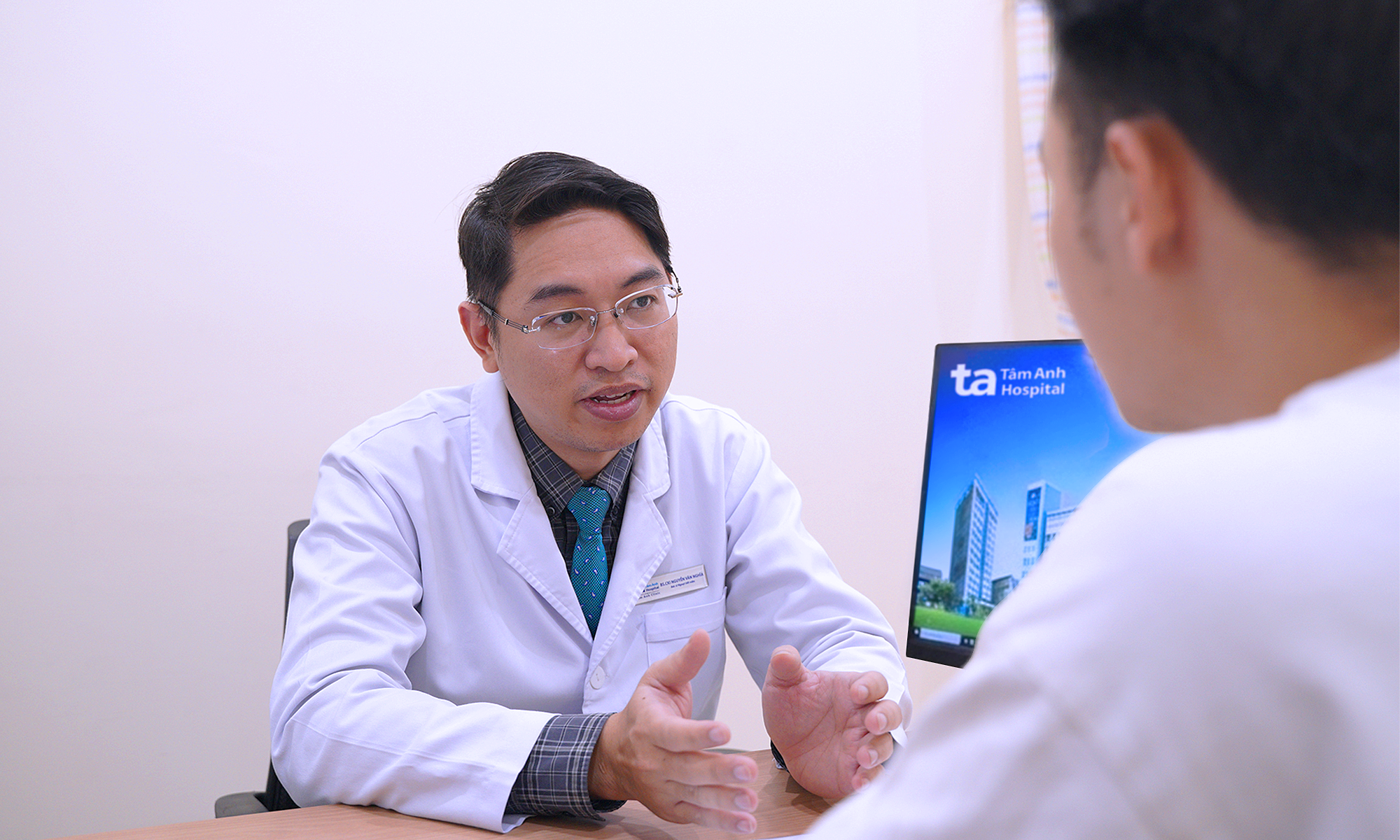
Master, Doctor Phan Ha Minh Hanh, from the Center for Reproductive Support, Tam Anh General Hospital - District 8, states that egg quality is influenced not only by age but also by lifestyle and diet. Incorporating the right and sufficient food groups can help improve the endocrine environment and support follicular development, thereby facilitating natural conception and assisted reproductive methods.
 |
Doctor Hanh examines and consults with a couple. Photo: Tam Anh General Hospital |
Avocado
Avocados are rich in monounsaturated fatty acids and vitamin E, improving insulin sensitivity and hormonal balance. Women preparing for pregnancy or monitoring ovulation should include about one avocado in their diet three to four times a week. They can be eaten directly, blended into smoothies, or added to salads. Avoid adding excessive sugar or condensed milk, as this can elevate blood sugar.
Eggs
Eggs contain complete protein, choline, and vitamin D. These nutrients support egg cell structure and quality. The best preparation methods are boiling or steaming; limit frying with excessive oil, which can affect metabolism. Consuming 3-5 eggs weekly helps maintain a stable nutritional foundation for the ovaries.
Fatty fish
Salmon, mackerel, and sardines are rich in omega-3, which improves blood flow to the ovaries and reduces inflammation. Women over 30 or those with signs of hormonal imbalance should eat fish about two to three times a week, with each serving around 100-150 g. Steamed, lightly pan-fried, or grilled fish is recommended.
Dark green vegetables
Dark green vegetables like broccoli and spinach contain folic acid, iron, and antioxidants, supporting egg maturation. Doctor Hanh recommends eating green vegetables daily, which can be boiled, steamed, or stir-fried, but avoid overcooking to prevent nutrient loss. A reasonable amount is 300-500 g per day, divided into multiple meals.
Berries
Berries like blueberries and strawberries contain anthocyanins, powerful antioxidants that protect egg cells from free radical damage. Older women or those with a history of miscarriage should include these fruits in their daily diet. They can be eaten directly, mixed with yogurt, or blended into smoothies; limit added sugar.
Nuts
A small handful of almonds, walnuts, and sunflower seeds provides zinc, selenium, and vitamin E, helping to stabilize hormones and support egg quality. They can be eaten directly, mixed into salads, or added to nut milk. Choose unsalted and unroasted varieties.
Full-fat milk
Milk provides vitamin D and essential fats for reproductive hormone synthesis. It is recommended to drink one to two glasses, equivalent to 200-400 ml, daily. However, do not consume excessively if you have weight issues or metabolic disorders.
Doctor Hanh notes that in addition to diet, women should get 7-8 hours of sleep daily, limit prolonged stress, avoid alcohol and tobacco, engage in light exercise, and maintain a healthy weight. Nutrition can help improve egg quality, but it cannot fully replace medical interventions when necessary. Women experiencing difficulty conceiving or with a history of miscarriage should seek medical examination at a hospital for appropriate treatment advice.
Dinh Lam
| Readers can submit questions about infertility here for doctors to answer. |