On 27/3, the Department of Medical Examination and Treatment Administration (Ministry of Health) recognized Nhan Dan Gia Dinh Hospital as the first unit to successfully implement ECPR. This method utilizes the V-A ECMO artificial heart-lung system to maintain circulation and blood oxygenation during cardiac arrest. Previously, Vietnam did not have a specific technical listing for ECPR in refractory cardiac arrest emergencies.
Cardiac arrest, particularly out-of-hospital cases, carries a severe prognosis, with only about 5% of patients surviving to hospital discharge. Conventional cardiopulmonary resuscitation (CPR) typically achieves only 25-30% of physiological cardiac output. ECPR, however, ensures adequate blood perfusion, especially to the brain, thereby extending the critical time window to address the underlying cause. According to the Extracorporeal Life Support Organization, when applied with proper indications, ECPR can increase the survival rate to approximately 31%.
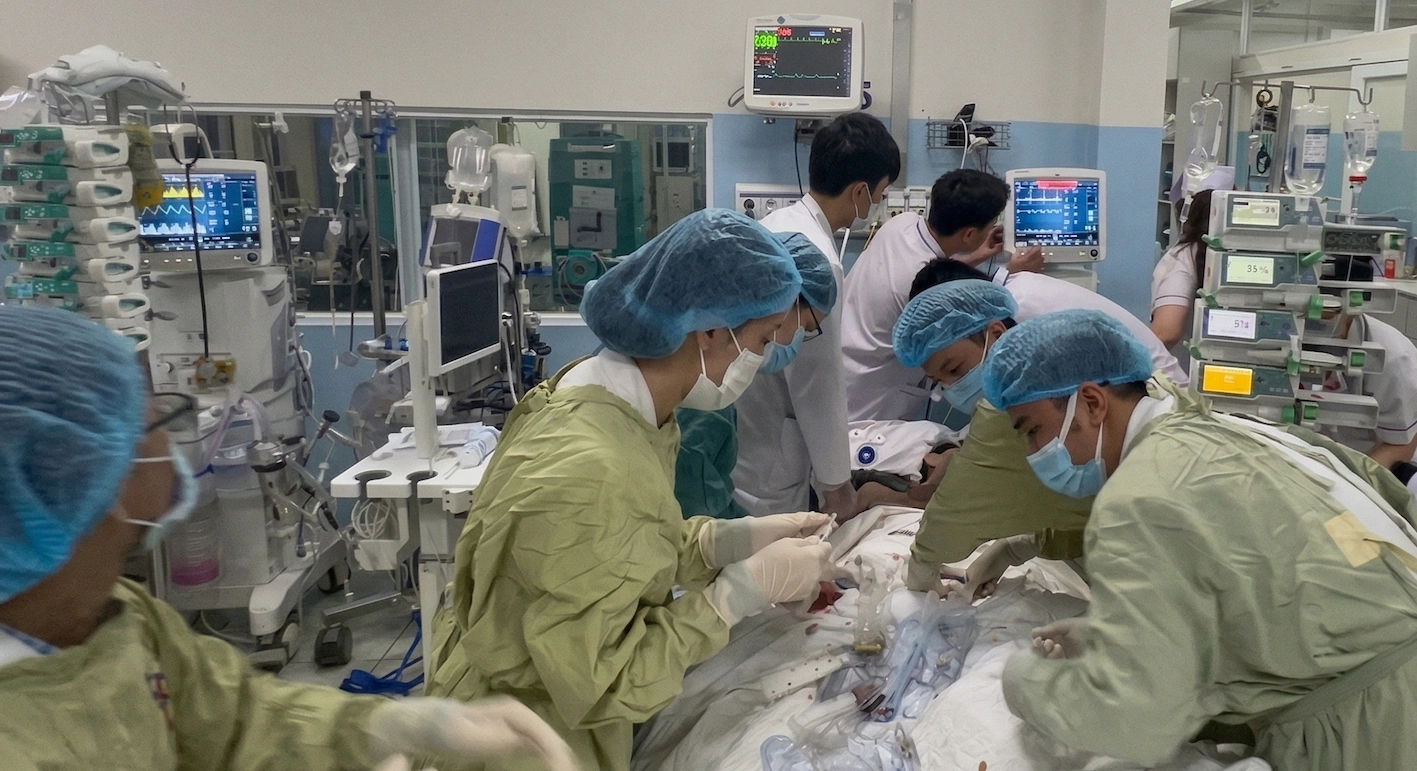 |
A doctor at Nhan Dan Gia Dinh Hospital performs ECPR. Photo: *Hospital provided*. |
The hospital prepared this technique, building upon its ECMO foundation in 2022. This involved developing a comprehensive team, processes, and equipment, requiring multidisciplinary coordination. In 2025, the hospital applied ECPR to 14 cardiac arrest cases, with 36% of patients surviving, achieving good neurological recovery, and returning to normal activities. This outcome highlights the hospital's professional capability and its humanitarian commitment to preserving quality of life after critical events.
Tang Chi Thuong, Director of the Ho Chi Minh City Department of Health, stated that Nhan Dan Gia Dinh Hospital's success demonstrates the effectiveness of Ho Chi Minh City's strategy to develop a specialized, multi-tiered, multi-center healthcare system. Going forward, the health sector will gradually expand high-tech techniques like ECPR, integrating them with the pre-hospital emergency system. This aims to create a continuous chain of emergency care and ensure no critical "golden hour" is missed in saving patients' lives.
By Le Phuong