Dr. Bao Dat, a first-degree specialist in Pediatrics at Tam Anh General Hospital, TP HCM, reported that Phat's blood tests showed a C-reactive protein (CRP) level of 185 mg/L, 37 times higher than normal, indicating a very high inflammatory response. An abdominal ultrasound also revealed gallstones. Doctors diagnosed Phat with an intestinal infection, digestive disorder, and sepsis of unknown origin.
 |
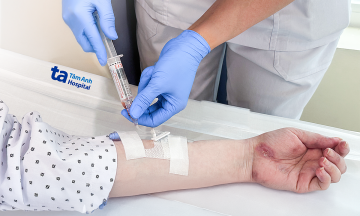
A nurse cares for and checks Phat's health before discharge. *Photo: Tam Anh General Hospital*
Phat was treated with antibiotics and anti-emetic medication. He responded well to treatment, and his infection was brought under control. After 7 days of care, Phat's fever subsided, his appetite improved, and his health stabilized, leading to his discharge from the hospital.
Intestinal infections commonly cause symptoms such as fever, vomiting, diarrhea, and abdominal pain. These infections can be caused by viruses, bacteria, or other agents, often transmitted through contaminated food and water.
According to Dr. Dat, most cases of intestinal infection are confined to the gastrointestinal tract and resolve with treatment. However, in severe infections, pathogens can breach the intestinal barrier and enter the bloodstream or other tissues. The body then mounts an immune response to fight the infection. If this response becomes uncontrolled, leading to organ dysfunction, children can develop sepsis.
Sepsis can progress to septic shock, a critical condition where the circulatory system fails. This results in insufficient blood and oxygen supply to organs, potentially leading to multi-organ failure.
Dr. Dat advises parents to seek early medical attention if their child experiences a prolonged high fever accompanied by vomiting, frequent diarrhea, or unusual fatigue. Emergency care is crucial if a child has continuous vomiting, repeated diarrhea, low urine output, dry lips, sunken eyes, lethargy, or severe abdominal pain, as these may indicate severe dehydration or a rapidly progressing infection.
The doctor also reminds parents to ensure children consume thoroughly cooked food and boiled water, and store food properly. Maintaining hand hygiene and a clean living environment is essential to reduce the risk of transmitting pathogens to others.
Phuong Dang
*The patient's name has been changed.
| Readers can submit questions about pediatric illnesses here to receive answers from doctors. |