According to Only My Health, muscle mass gradually declines starting in middle age. Protein provides essential amino acids to build and repair muscles, contributing to the maintenance of strength and mobility.
Maintaining muscle mass
Women with long-term insufficient protein intake will find it challenging to maintain muscle mass, particularly when inactive or losing weight. Combining adequate protein consumption with strength training can better protect muscles.
Adults need a minimum of about 0,8 g of protein per kg of body weight daily. For example, a woman weighing 60 kg requires at least about 48 g of protein each day. Individuals who exercise regularly or aim to maintain muscle mass may need higher amounts, depending on their health status.
Supporting strong bones
Protein is an important component of bone structure. During menopause, declining estrogen accelerates bone loss, making it crucial for women to consume adequate protein, along with calcium, vitamin D, and regular exercise, to maintain strong bones.
 |
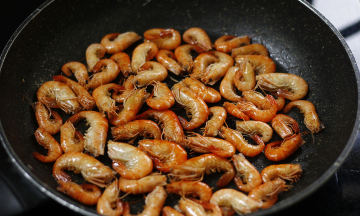
Fish is rich in protein and healthy fats. Photo: Bui Thuy
Weight management
Older women are prone to weight gain due to a slower metabolism and reduced muscle mass, leading to less energy expenditure. During menopause, hormonal changes can also contribute to increased fat accumulation, particularly around the abdomen. Poor sleep and prolonged stress can further impact feelings of hunger and satiety, as well as food choices, making weight management challenging.
Protein can promote a lasting feeling of fullness, helping women avoid overeating or snacking between meals. When aiming for weight loss, a diet with sufficient protein also helps limit muscle loss during calorie restriction, according to Eating Well.
Supporting recovery and hormone regulation
The body uses protein to produce numerous enzymes, antibodies, and components essential for normal function. Protein also participates in repairing damaged tissues and supports post-exercise recovery. Furthermore, protein provides the necessary amino acids for the body to produce certain hormones and maintain the normal function of the endocrine system, thereby supporting women's health as they age.
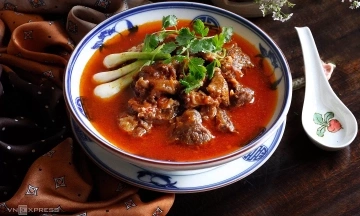
Middle-aged women can supplement protein from sources such as fish, eggs, lean meat, milk and dairy products, soybeans, beans, and nuts. It is advisable to distribute protein sources across meals rather than concentrating them in just one meal a day.
In addition to protein, a diet should still include green vegetables, fruits, whole grains, and unsaturated fats. Exercise, particularly strength training, also plays a vital role in maintaining muscle mass.
Le Nguyen (Compiled)
| Readers can submit questions about obstetrics and gynecology here for doctors to answer. |