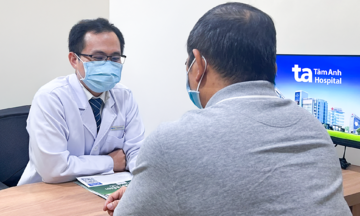
Doctor Vo Duong Huong Quynh, Deputy Head of the Rehabilitation Department at Tam Anh General Hospital Ho Chi Minh City, responds to Nga Nguyen's query.
Bow legs, medically known as genu varum, are identifiable in adults when, despite the feet being together in a standing position, the knees remain far apart and point outwards, forming an O-shape or an arc. Individuals with this condition may also experience other symptoms, including aches and pains in the hips, ankles, and knees, reduced hip range of motion, and limitations in walking and running compared to those with normal leg alignment. Knee instability is also a common concern.
In adults, bow legs can result from untreated childhood conditions or various underlying medical issues. These include diseases that deform bone structures, injuries to bone-cartilage junctions, and bone dysplasia. Furthermore, fractures in the lower femur or upper tibia, as well as knee joint infections, can also contribute to the development of this condition.
While bow legs do not typically cause pain during movement, they significantly increase the risk of developing ankle and knee conditions, such as arthritis and early osteoarthritis. Therefore, it is advisable to consult a doctor as soon as possible. Early intervention can help correct leg structure and reduce the long-term risk of musculoskeletal diseases.
 |
Doctor Quynh examines a patient's leg. Illustration: Tam Anh General Hospital
Surgical intervention and bone realignment are highly effective treatment methods for adult bow legs. Doctors tailor the approach to each patient based on the degree of curvature and leg shape. Common surgical procedures include: tibial or femoral osteotomy, followed by fixation with plates and screws; tibial osteotomy using intramedullary nailing; and corrective osteotomy of the upper tibial shaft. After bone cutting and leg axis correction, patients undergo a rehabilitation program involving physical therapy to strengthen muscles, improve range of motion, and restore optimal lower limb function.
It is crucial to see a doctor for a thorough examination to assess the leg's condition, its severity, and its impact on surrounding soft tissues. This comprehensive evaluation will guide the selection of the most appropriate treatment plan.
Master, Doctor, Specialist Level one Vo Duong Huong Quynh
Deputy Head of Rehabilitation Department
Tam Anh General Hospital Ho Chi Minh City
| Readers can send questions about musculoskeletal diseases here for doctors to answer. |