Dementia is a condition characterized by a decline in memory and other cognitive functions such as language, reasoning, and orientation, caused by progressive damage to brain cells over time. The most common cause is Alzheimer's disease. Additionally, vascular dementia, frontotemporal degeneration, and other neurodegenerative diseases can also lead to this condition.
Magnetic resonance imaging (MRI) assists doctors in evaluating suspected cases of dementia. High-resolution MRI images allow doctors to observe detailed brain structures, detect hippocampal atrophy (a region critical for memory), ventricular dilation due to reduced brain volume, and white matter lesions associated with vascular diseases. MRI also helps rule out other potential causes of memory impairment, such as brain tumors, chronic hematoma, or normal pressure hydrocephalus.
Currently, 1,5 Tesla and 3 Tesla MRI systems provide clearer images. The 3 Tesla MRI, in particular, can help measure hippocampal volume, contributing to the early detection of mild brain atrophy, especially in individuals with mild cognitive impairment. However, MRI is not the only method for diagnosing dementia. Doctors may combine a neurological examination, cognitive tests like MMSE or MoCA, and metabolic blood tests to reach the most accurate conclusion.
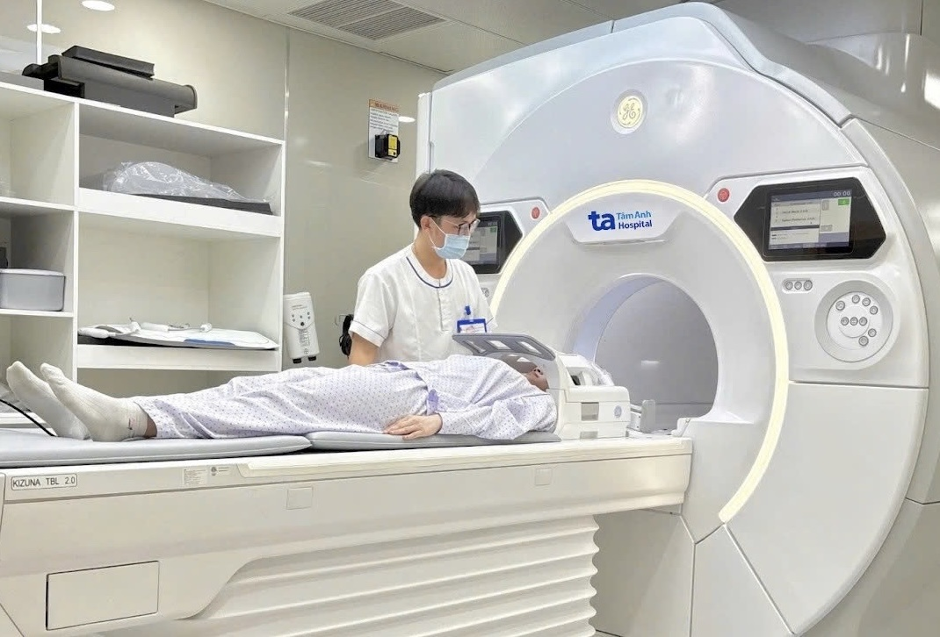 |
3 Tesla MRI helps screen for and detect early risk of dementia. Photo: Tam Anh General Hospital
You should visit a hospital with a neurology department for a comprehensive evaluation. Depending on your condition, doctors may recommend dementia screening, which includes an in-depth examination, memory and cognitive function assessment tests, cardiovascular-metabolic risk factor tests, and a brain MRI.
Detecting the risk of dementia at an early stage allows for timely intervention with medication and cognitive stimulation and rehabilitation programs to slow the disease's progression. Adjusting lifestyle, increasing physical activity, and maintaining regular mental engagement contribute to preserving cognitive function and enhancing long-term quality of life.
Dr. Nguyen Huu Khanh
Specialist Doctor I
Department of Neurology, Neuroscience Center
Tam Anh General Hospital, Ho Chi Minh City
| Readers can submit questions about neurological conditions here for doctors to answer |