


Applying betel quid lime to a swollen mumps infection is a traditional folk remedy, believed to reduce swelling due to its alkaline properties. However, medical experts emphasize that there is no scientific evidence to prove that lime can kill the mumps virus or effectively treat the disease.
Conversely, lime possesses strong alkaline properties that can easily cause burning sensations, mild burns, skin irritation, and compromise the skin's natural protective barrier. Consequently, bacteria can easily penetrate the inflamed parotid gland, worsening swelling and pain, potentially leading to abscesses or infections.
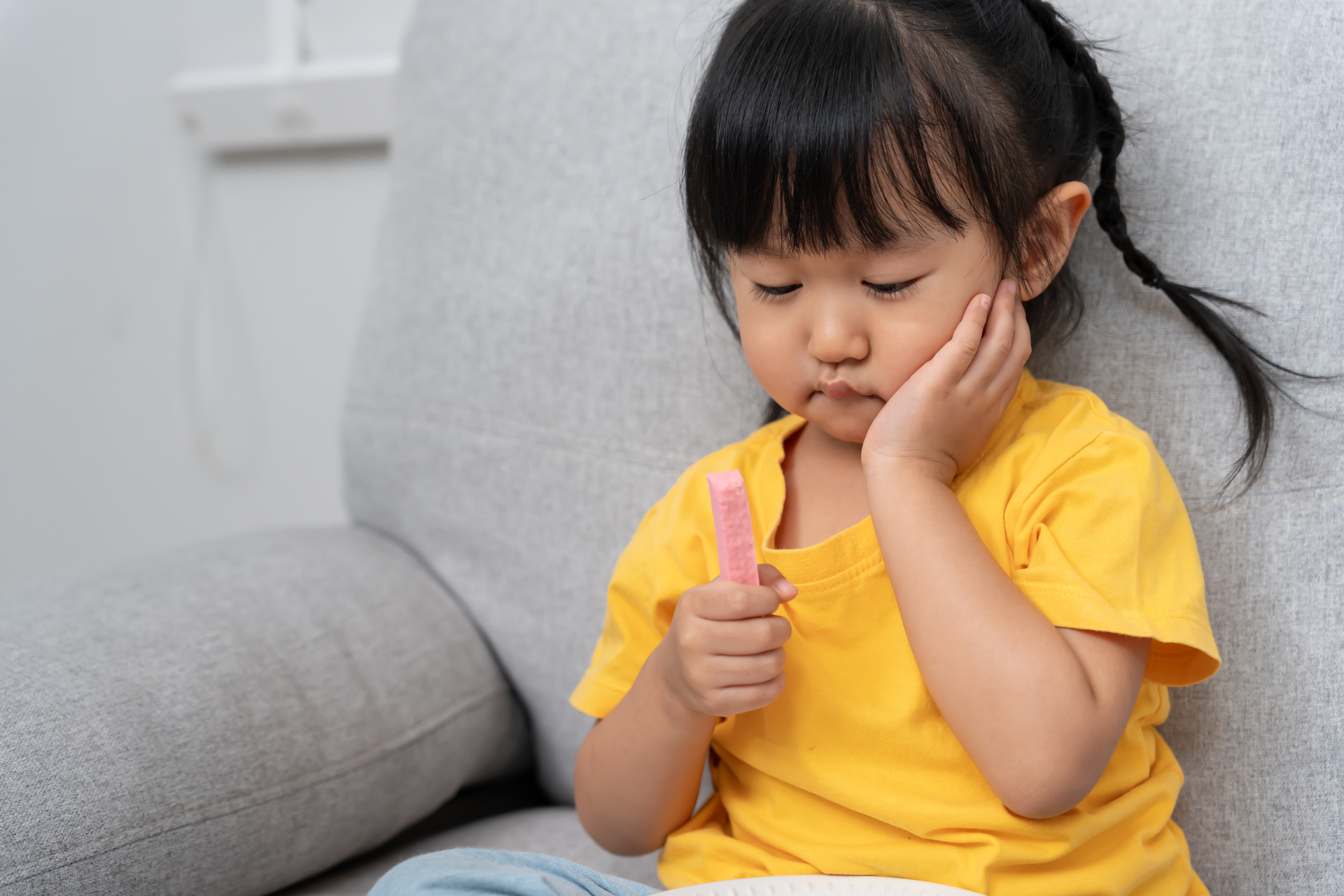 |
Do not treat mumps with folk remedies, as they can cause burning, blistering, worsen inflammation, and lead to infection. *Illustration: Vecteezy* |
Mumps is caused by a virus belonging to the Paramyxoviridae family, easily transmitted through the respiratory tract via contact with saliva or contaminated objects. If detected and treated early, the disease can resolve within 7-10 days from the onset of the first symptoms.
If prolonged, mumps can cause many serious health complications, including orchitis, which may lead to testicular atrophy and infertility in men; oophoritis in women; meningitis; liver dysfunction; myocarditis; pulmonary infarction; and thrombocytopenic hemorrhage.
When treating a child, parents must ensure home isolation until recovery to prevent spreading the disease to others. It is essential to ensure the child eats nutritious food, drinks enough water, gets sufficient sleep, and adheres to the doctor's prescribed treatment. Do not treat mumps with folk remedies such as using Chinese ink, soot, applying leaves, or sticking plasters on the swollen area. If symptoms like frequent vomiting, headache, or abdominal pain occur, even if the swelling in the parotid area has decreased, seek immediate medical attention for timely treatment.
Mumps can now be prevented with two types of combined measles-mumps-rubella vaccines for children and adults: Priorix (Belgium) and MMR II (United States), along with the combined measles-mumps-rubella-varicella vaccine Proquad (United States). Specifically, the MMR II and Proquad vaccines are administered to children from 12 months of age, while Priorix can be given to children from 9 months of age. Women should complete their vaccination schedule three months or at least one month before becoming pregnant, depending on the vaccine type.
Dr. Nguyen Van Quang, M.Sc.
Medical Manager, VNVC Vaccination System
Readers can submit vaccine consultation questions for a doctor to answer here.


