Muscle spasticity is a common after-effect of stroke. This condition arises when brain damage disrupts motor control signals, causing specific muscle groups to increase tone and contract excessively. Patients often experience bent wrists, clenched fists, stiffly extended legs, or clubfoot, which makes walking, grasping, and performing daily activities challenging.
Botulinum toxin A, commonly known as botox, can help reduce localized spasticity after a stroke. The drug is injected into overactive muscles, temporarily decreasing nerve signals from the nerves to the muscle, which lessens stiffness.
It is important to understand that botox does not directly repair damaged brain areas and does not immediately eliminate limb weakness after injection. However, by reducing muscle spasticity, it lowers resistance to movement, making it easier for patients to engage in rehabilitation exercises. For instance, less clenched hands can facilitate practicing opening the hand and grasping objects, while reduced leg spasticity helps improve posture control, foot placement, and stepping ability.
Botox effects typically begin appearing after a few days, become noticeable within one to two weeks, and last for about three to four months. The duration depends on the severity of spasticity and the individual's response. A doctor determines the specific muscle groups requiring intervention, along with the appropriate injection sites and dosages for each patient. Following injections, patients should continue prescribed physical and occupational therapy to maximize the period of reduced muscle stiffness.
 |
A doctor administers botox injections to improve movement and reduce spasticity for post-stroke patients. *Illustration: Tam Anh General Hospital* |
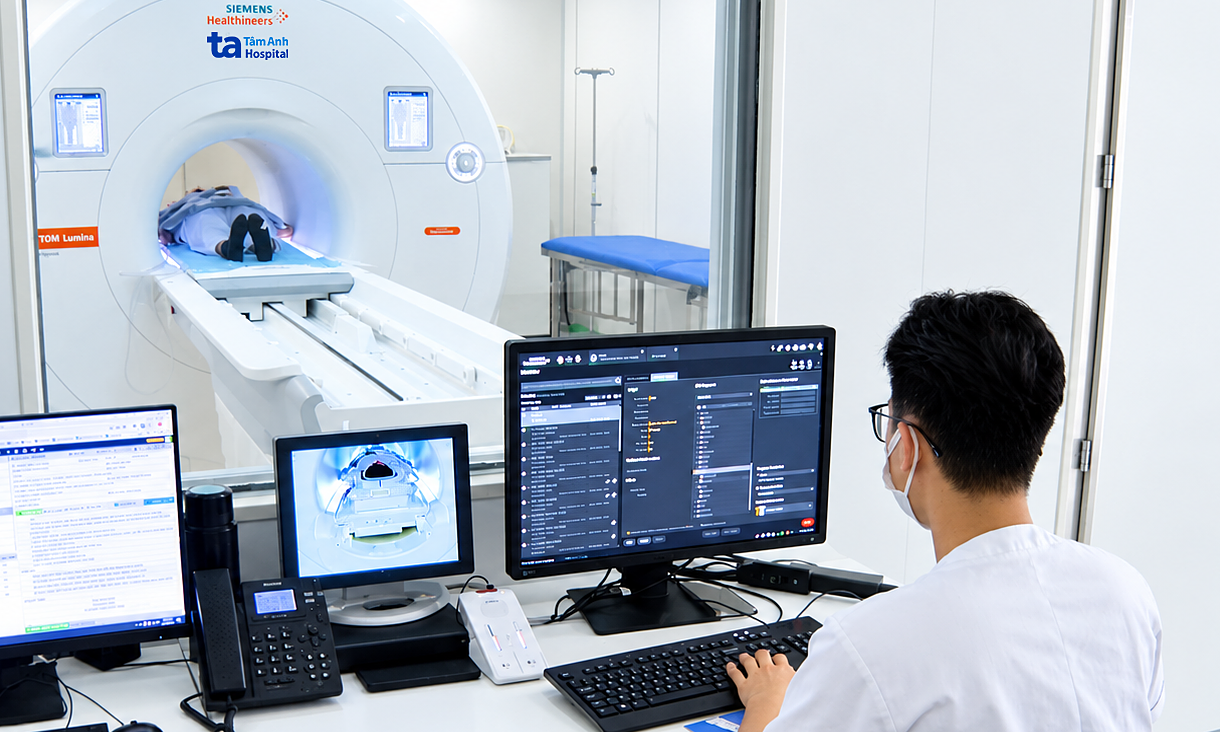
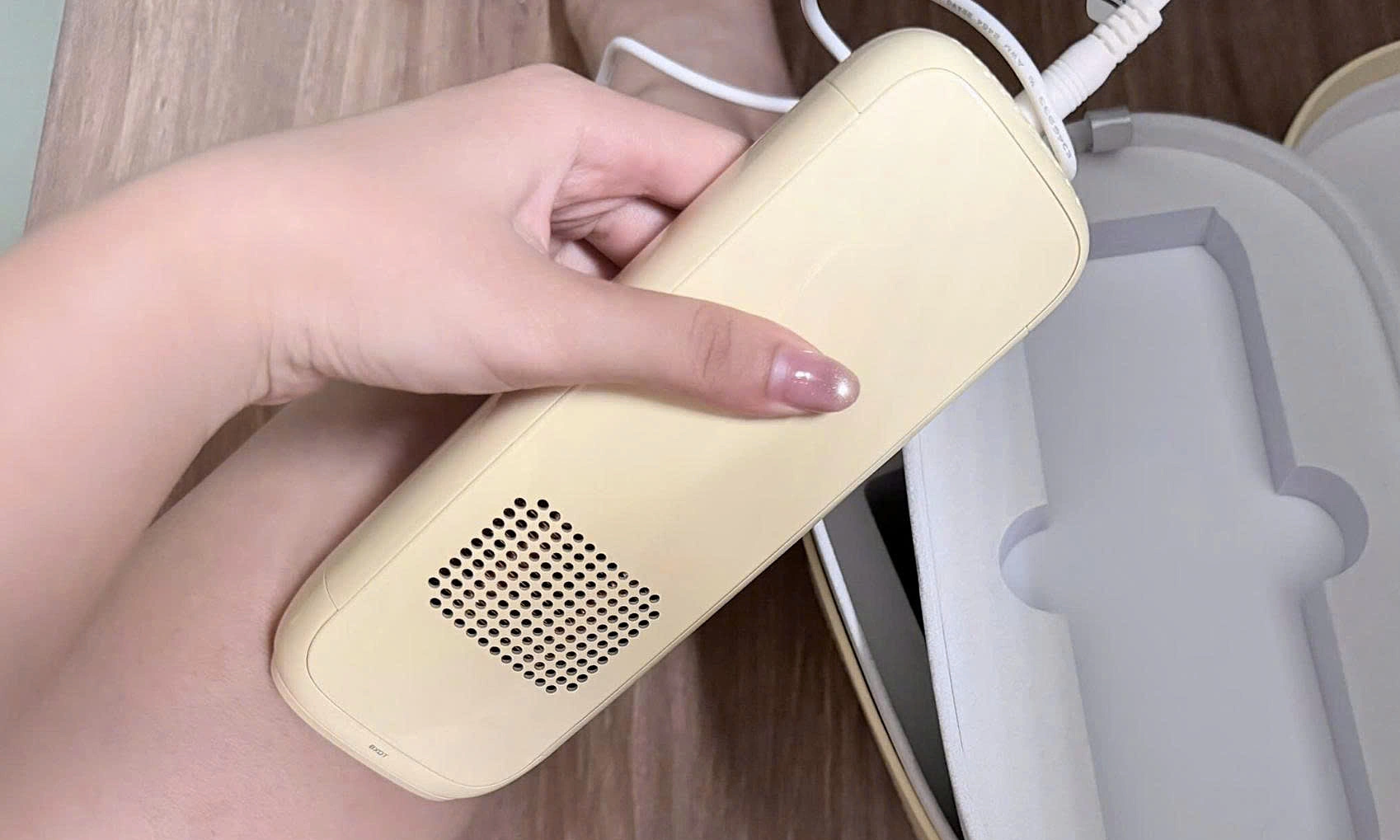
In some cases, repetitive transcranial magnetic stimulation (rTMS) may also be indicated. This method uses non-invasive magnetic pulses to stimulate brain regions involved in movement, thereby supporting the post-stroke recovery process.
If your father's spasticity is hindering his movement and ability to participate in physical therapy, it is advisable to consult a Neurology specialist. They can assess the spasticity level, muscle strength, and overall motor function. If suitable, the doctor may prescribe botox injections to reduce spasticity, followed by a combination of physical therapy, occupational therapy, and transcranial magnetic stimulation. The specific timing and combination of these methods depend on several factors: the degree of spasticity, remaining muscle strength, motor ability, time elapsed since the stroke, and the patient's recovery goals.
Dr. Nguyen Huu Khanh
Department of Neurology, Center for Neuroscience
Tam Anh General Hospital, Ho Chi Minh City
| Readers can submit questions about neurological conditions here for doctors to answer. |