Com, crafted from young sticky rice, offers carbohydrates, protein, and various vitamins and minerals. Yet, its primary ingredient, sticky rice, is rich in amylopectin, leading to rapid digestion and absorption, which can cause an immediate spike in blood sugar after eating.
The impact of com on blood sugar varies based on the rice variety, preparation method, portion size, and accompanying foods. While pure com mainly supplies carbohydrates from sticky rice, dishes such as banh com (com cake), che com (com sweet soup), and xoi com (sticky rice with com), or any preparation with added sugar and high-energy ingredients, can significantly increase the total carbohydrate and caloric intake. Consequently, a single, fixed glycemic index should not be applied to all types of com.
Individuals with diabetes should exercise caution when incorporating com into their diet. The appropriate portion depends on the total carbohydrate content of the meal, individual weight, activity level, current medications, and blood sugar control objectives. If your blood sugar is well-managed (fasting levels between 80-130 mg/dl or post-meal levels one to two hours later below 180 mg/dl), you may enjoy a small serving, less than 100 g of pure, unsweetened com, two to three times weekly. Simultaneously, reduce other starch sources in the same meal, such as rice, sticky rice, potatoes, bread, vermicelli, or pho. It is advisable to limit banh com, che com, and xoi com.
When consuming com as a snack, avoid pairing it with numerous sugary or starchy items. Instead, combine a moderate portion of com with protein-rich or fiber-rich foods, such as unsweetened yogurt or a small quantity of unsweetened nuts. If com is part of a main meal, pair it with green vegetables and protein sources like fish, lean meat, eggs, or tofu. This balanced approach helps moderate post-meal blood sugar spikes.
 |
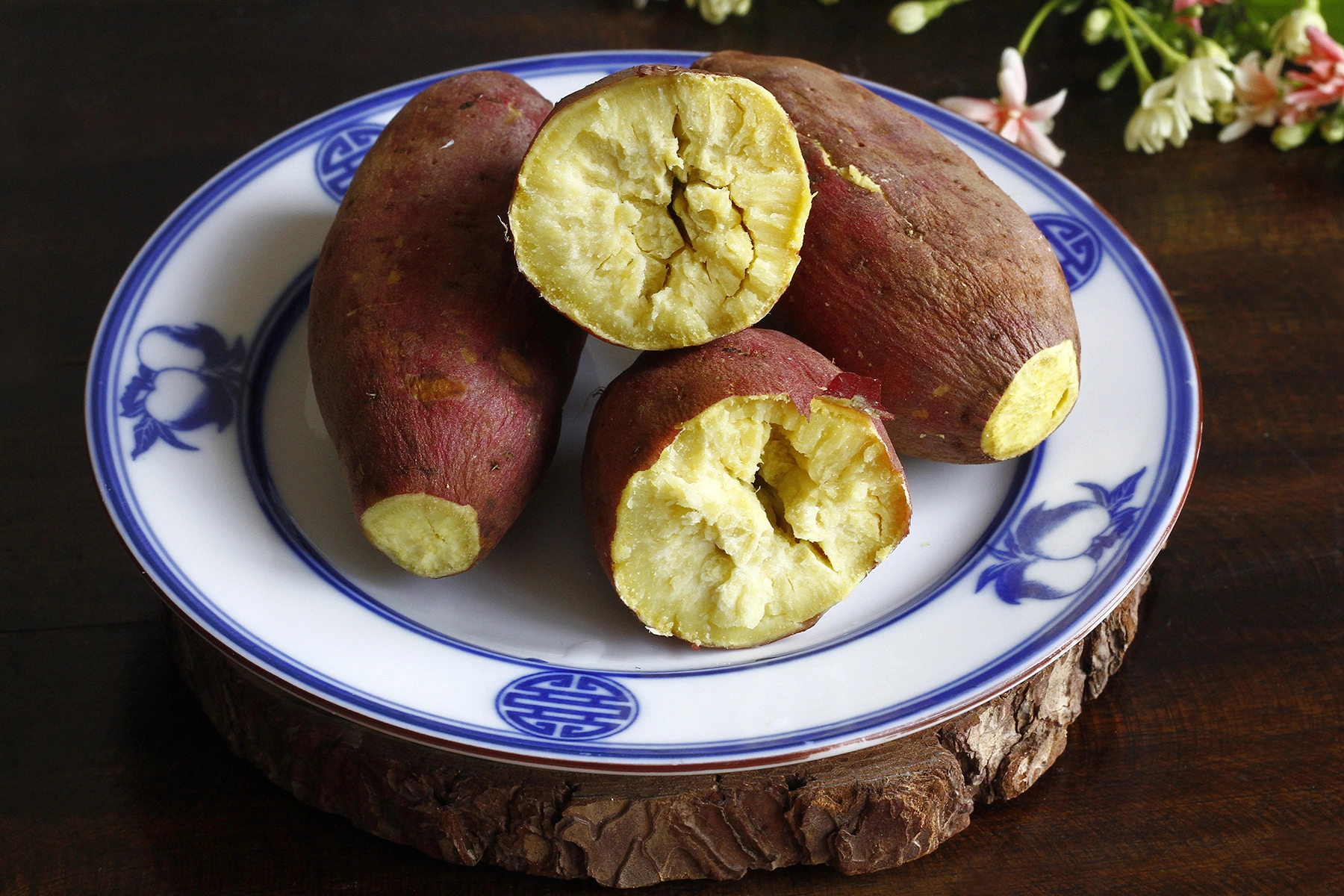
Com is quickly digested and absorbed, potentially causing an immediate rise in blood sugar after consumption. Illustration: Thanh Ba |
However, it is crucial not to assume that pairing com with protein, fat, or fiber completely negates the impact of carbohydrates on blood sugar. The overall carbohydrate and caloric intake of the meal must still be carefully managed to align with individual nutritional requirements.
Additionally, avoid using com as a complete replacement for main meals or eliminating other essential foods. Com can substitute a portion of starchy foods in a meal, provided you maintain adequate intake of other nutrients and manage carbohydrate levels according to your health status.
Following consumption, monitor your blood sugar levels as advised by your doctor to assess your body's response to com. If post-meal blood sugar consistently exceeds your target, reduce your com portion or adjust accompanying foods. Importantly, if you are on insulin or other blood sugar-lowering medications, never increase your dosage without medical consultation.
For individuals with poorly controlled blood sugar, overweight or obesity, or co-existing metabolic conditions, it is crucial to consult a doctor to determine appropriate carbohydrate intake rather than adhering to a fixed com consumption level. This personalized approach helps manage the risk of sustained high blood sugar and reduces the likelihood of complications, such as vascular and nerve damage.
Specialist Nguyen Thi Thu Huyen
Nutrition Department
Tam Anh General Hospital Hanoi
| Readers can submit nutrition questions here for doctor's answers. |