Cerebral artery blockage occurs when blood flow to the brain is obstructed by blood clots, atherosclerotic plaques, or prolonged vessel narrowing. If not detected and treated promptly, reduced blood supply to the brain can lead to chronic cerebral ischemia and stroke.
Early detection of cerebral artery blockage allows for effective treatment and improvement. The primary goal of treatment is to restore blood flow to the brain and prevent damage to nerve cells.
In the early stages, when a blood vessel is only narrowed or partially blocked without causing severe brain damage, doctors typically prescribe antiplatelet drugs and medications to control blood lipid levels, blood pressure, and blood sugar. Patients must adhere to the treatment plan and adopt lifestyle changes to help slow disease progression, stabilize atherosclerotic plaques, and prevent more severe blockages.
For severe narrowing of the carotid or cerebral arteries, interventional procedures such as balloon angioplasty, stent placement, or surgery may be considered, depending on the cause and location of the lesion. When blood flow is effectively restored, brain function can improve.
The potential for recovery depends on the extent of the blockage, the timing of diagnosis, and the condition of the brain at the start of treatment. If a stroke has not yet occurred or if brain damage is minor, the prognosis is often favorable. Conversely, if prolonged blockage leads to cerebral infarcts, recovery becomes more challenging.
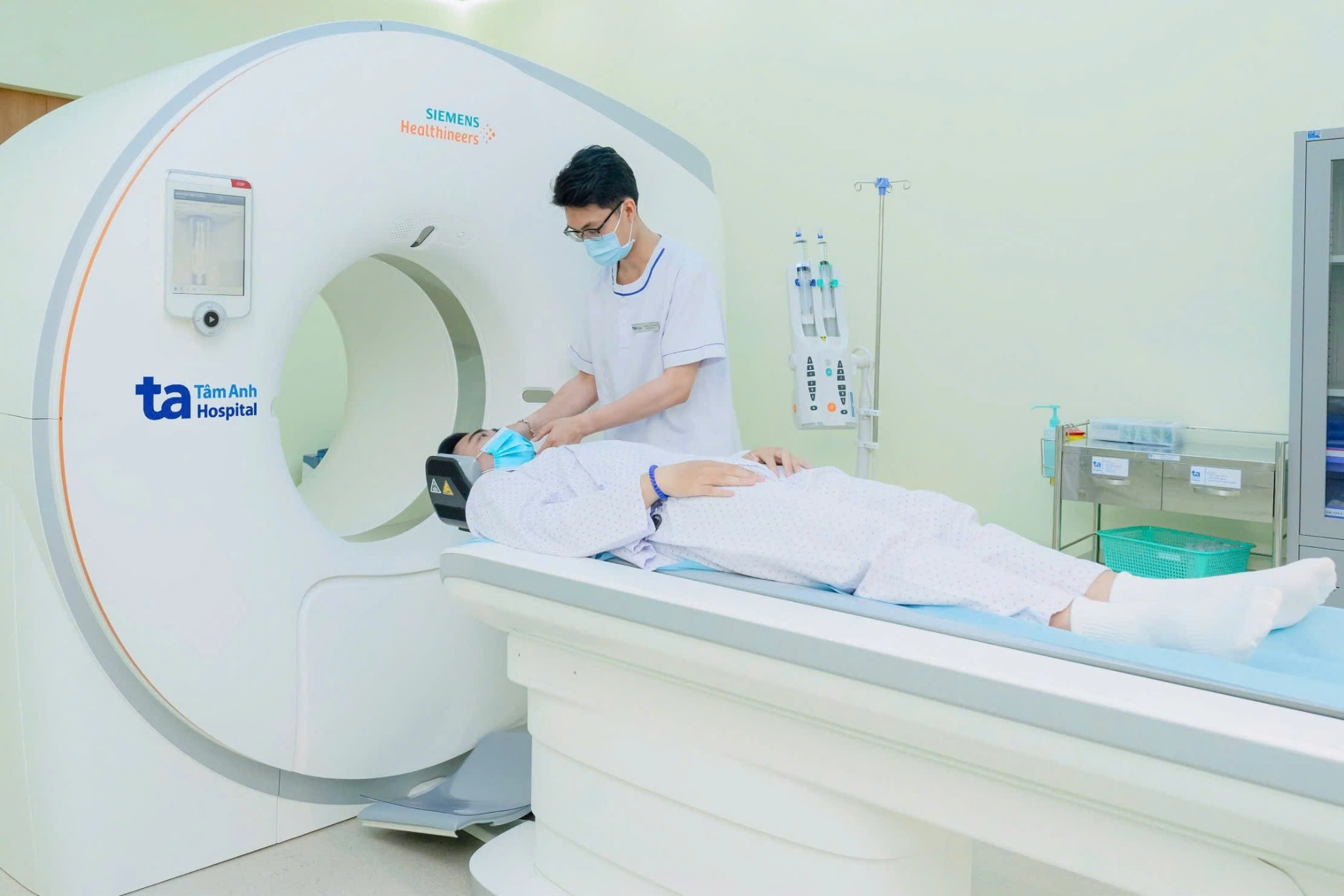 |
CT scans with over 100,000 slices can detect cerebral vascular abnormalities at a very early stage. Illustration: Tam Anh General Hospital. |
CT scans with over 100,000 slices can detect cerebral vascular abnormalities at a very early stage. Illustration: Tam Anh General Hospital.
Given your persistent headaches, dizziness, and the discovery of a narrowed cerebral artery branch, it is crucial to visit a hospital for examination and to follow a doctor's prescribed treatment regimen.
Individuals who frequently experience headaches, temporary numbness or weakness in limbs, difficulty speaking, or have risk factors such as hypertension or diabetes should undergo regular health check-ups and screenings as advised by their doctor.
Modern diagnostic tools, including 3 Tesla brain MRI, magnetic resonance angiography (MRA), cerebral computed tomography (CT) angiography, and digital subtraction angiography (DSA) systems, enable early detection of vascular malformations or narrowing and blockages in cerebral arteries, even before a stroke occurs. Early diagnosis allows doctors to develop personalized treatment strategies, helping patients reduce stroke risk and preserve long-term brain function.
Dr. Nguyen Thi Minh Duc
Head of Neurology Department
Neuroscience Center
Tam Anh General Hospital System, Ho Chi Minh City
| Readers can submit questions about neurological diseases here for a doctor's response. |