Contrary to popular belief, consuming lychee does not immediately impair liver or kidney function or reduce their detoxification capacity, according to Dr. Pham Quang Khai, a specialist from the Department of Urology and Andrology at E Hospital.
Lychee is a popular summer fruit, rich in vitamin C, glucose, protein, and healthy fats. It is low in calories, improves digestion, supports weight loss, and boosts immunity. However, lychee is considered to have a "hot" nature in traditional medicine, and excessive consumption can lead to inflammatory heat-related conditions such as itching, prickly heat, and acne.
Dr. Khai emphasizes that other dietary choices pose a greater risk to kidney health. Foods high in unhealthy fats, such as fried dishes, fried chicken, and those rich in sugar like milk tea, along with grilled foods and processed meats, are the primary "enemies" of the kidneys and should be consumed in moderation.
To ensure safe consumption, Dr. Khai provides the following guidelines:
For healthy individuals, limit intake to 5-10 fruits per sitting. Pregnant women and children should eat no more than 3-4 fruits at a time. New mothers who are breastfeeding should restrict their consumption to 100-200 grams. Women before and during menstruation should also limit their lychee intake. Individuals with diabetes should consume lychee in moderation due to its high sugar content. While children enjoy lychee's sweet taste, their intake must be controlled to prevent overweight and prickly heat. Additionally, avoid eating lychee on an empty stomach.
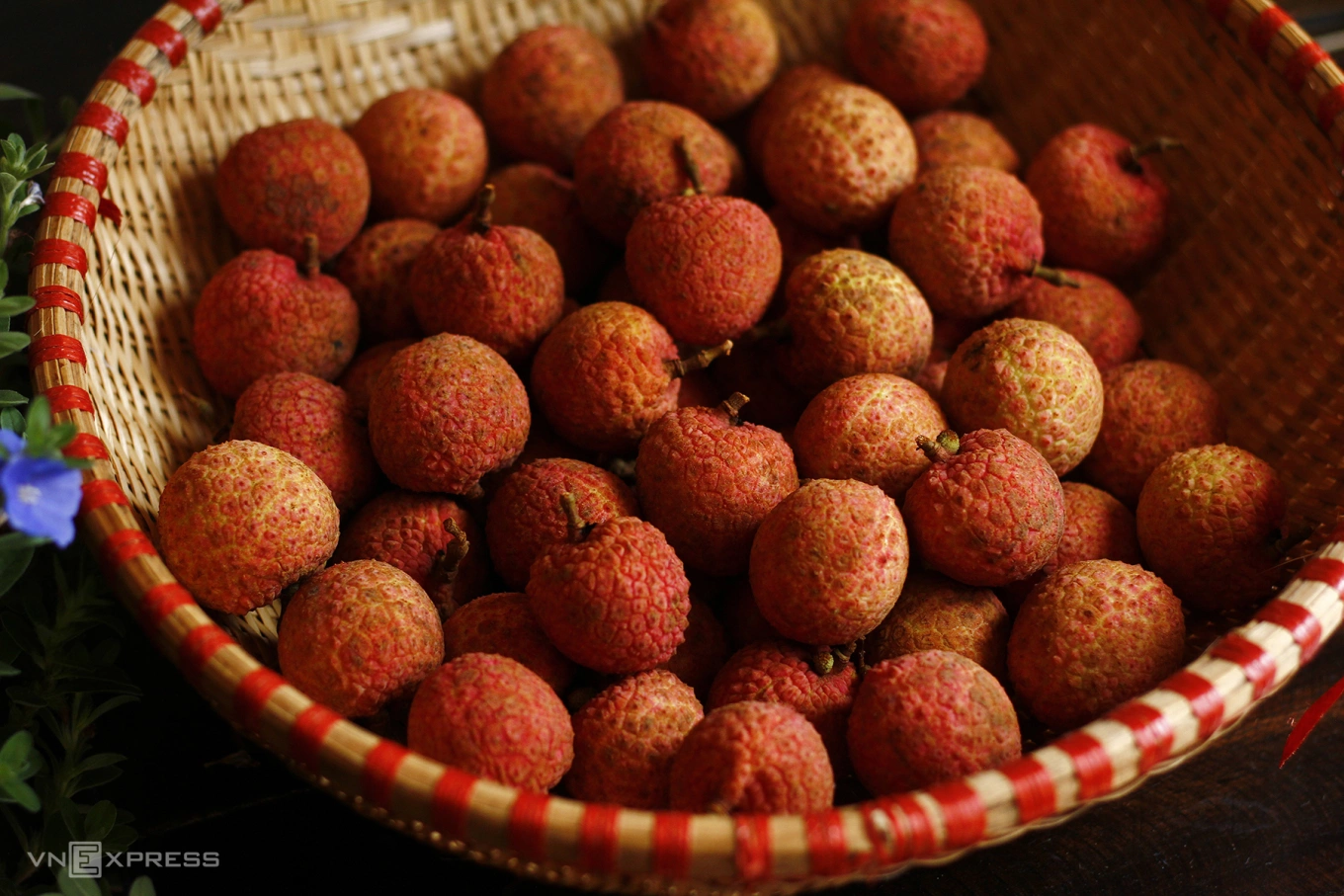 |
Illustration: Bui Thuy.
Dr. Pham Quang Khai
Department of Urology and Andrology, E Hospital