Plums typically bear fruit abundantly from around May to August each year. In traditional Eastern medicine, these fruits are considered sour or sweet with a neutral nature, making them ingredients in remedies that support the treatment of diabetes, constipation, dry mouth, cool the body during hot weather, and enhance skin health.
Research indicates that plums are rich in dietary fiber, protein, vitamin C, calcium, iron, and antioxidants like anthocyanins and chlorogenic acid. These compounds may help combat obesity, diabetes, inflammation, and neutralize oxygen radicals that contribute to cancers such as colon cancer. You can obtain these nutrients by eating plums fresh, juicing them, making syrup, jam, or preparing dishes like "plum shakes."
However, it is important to note that plums contain acids that can cause stomach discomfort, heartburn, and oxalate, which can combine with calcium to form crystals that deposit in the urinary tract, potentially leading to kidney stones. Therefore, you should limit your intake to about 5-7 plums per day, avoid overconsumption, and refrain from eating them on an empty stomach. When purchasing plums, choose those that are round, undamaged, have smooth skin, and a thin white bloom. Avoid plums that are dark green or show signs of insect bites.
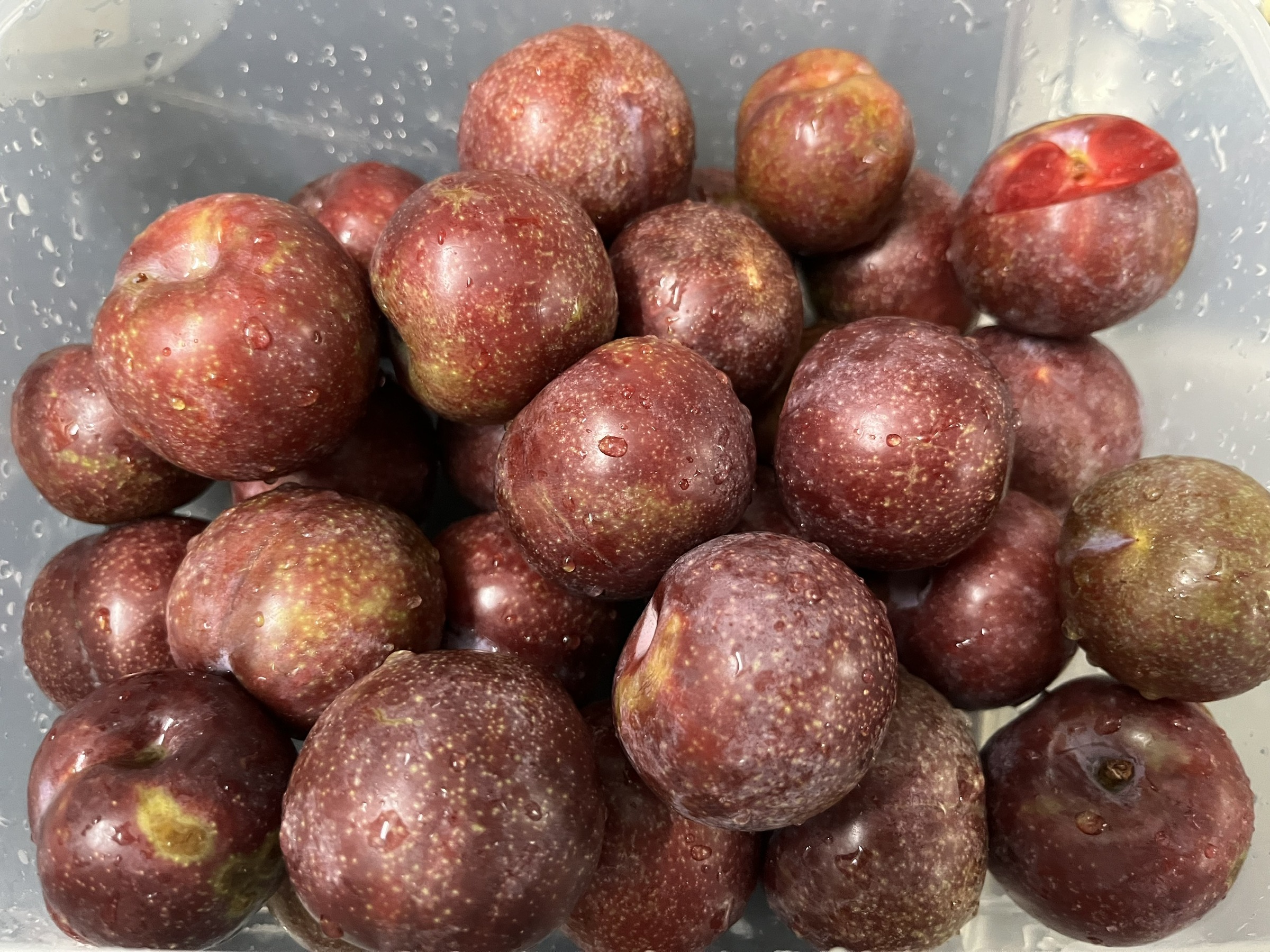 |
Plums contain many beneficial nutrients for health; however, consumption should be limited to 5-7 fruits per day to avoid overindulgence. *Dieu Thuan*
Cancer encompasses various types, affecting organs such as the liver, pharynx, stomach, reproductive system, lungs, skin, rectum, intestines, and salivary glands. Beyond genetic factors, causes include: diet, smoking, exposure to chemicals, fungi, bacteria, and viruses. Early detection is often challenging; many cases are diagnosed late, leading to difficult treatment and lower survival rates.
According to the World Health Organization (WHO), approximately 120,000 deaths from cancer occur annually, with 70% of patients diagnosed at a late stage. However, 50% of cancers are preventable through a healthy lifestyle, including: regular exercise, not smoking, limiting alcohol consumption, and undergoing periodic health check-ups and screenings.
Some cancers can be prevented through vaccination against specific causative agents. For instance, liver cancer caused by the hepatitis B virus can be prevented with a vaccine, either a single type or combined with hepatitis A. The vaccination schedule involves three doses over six months, with antibody testing before vaccination and booster shots administered if antibody levels decline.
Cancers of the pharynx, reproductive organs, and cervix caused by the human papillomavirus (HPV) can be prevented with Gardasil and Gardasil 9 vaccines, which also help prevent genital warts. Even if an individual has already been infected with one HPV type, vaccination can still protect against other types and prevent reinfection with the current type. Gardasil 9 is administered to males and females aged 9-45 years, protecting against nine HPV types (6, 11, 16, 18, 31, 33, 45, 52, 58) with over 90% efficacy. As a 35-year-old male, you would receive the Gardasil 9 vaccine, following a schedule of three doses over six months.
Dr. Phan Nguyen Truong Giang
Medical Manager, VNVC Vaccination System