Ms. Lam, a 79-year-old patient with a history of hypertension, diabetes, and stroke sequelae, presented to Tam Anh General Hospital Hanoi after experiencing left chest pain two days prior. She had initially sought emergency care at a local hospital, where doctors diagnosed acute myocardial infarction with severe damage to three coronary arteries.
Upon arrival, Ms. Lam was in severe respiratory failure with critically low blood oxygen levels despite oxygen therapy, profoundly low blood pressure, and a weakened heart. Doctor of First-Degree Specialization Ha Viet Ngoc, from the Intensive Care Department, diagnosed advanced cardiogenic shock due to acute myocardial infarction. "The patient's heart was unable to pump enough blood to sustain the body, facing imminent circulatory arrest," Dr. Ngoc stated. The medical team promptly intubated Ms. Lam, placed her on mechanical ventilation, and initiated extracorporeal membrane oxygenation (ECMO) to support circulation and respiration before coronary intervention.
According to Dr. Ngoc, Ms. Lam suffered severe damage to all three main coronary arteries, the primary blood vessels supplying the heart. The extensive area of ischemic heart muscle severely weakened the heart's pumping ability, leading to plummeting blood pressure, acute pulmonary edema, and circulatory collapse. This also explained why the patient did not respond to conventional blood pressure support medications. At this critical juncture, ECMO temporarily took over a portion of the heart and lung functions, supporting circulation and oxygen exchange. This intervention provided the team with time to perform revascularization of the coronary arteries, allowing the heart muscle to gradually recover.
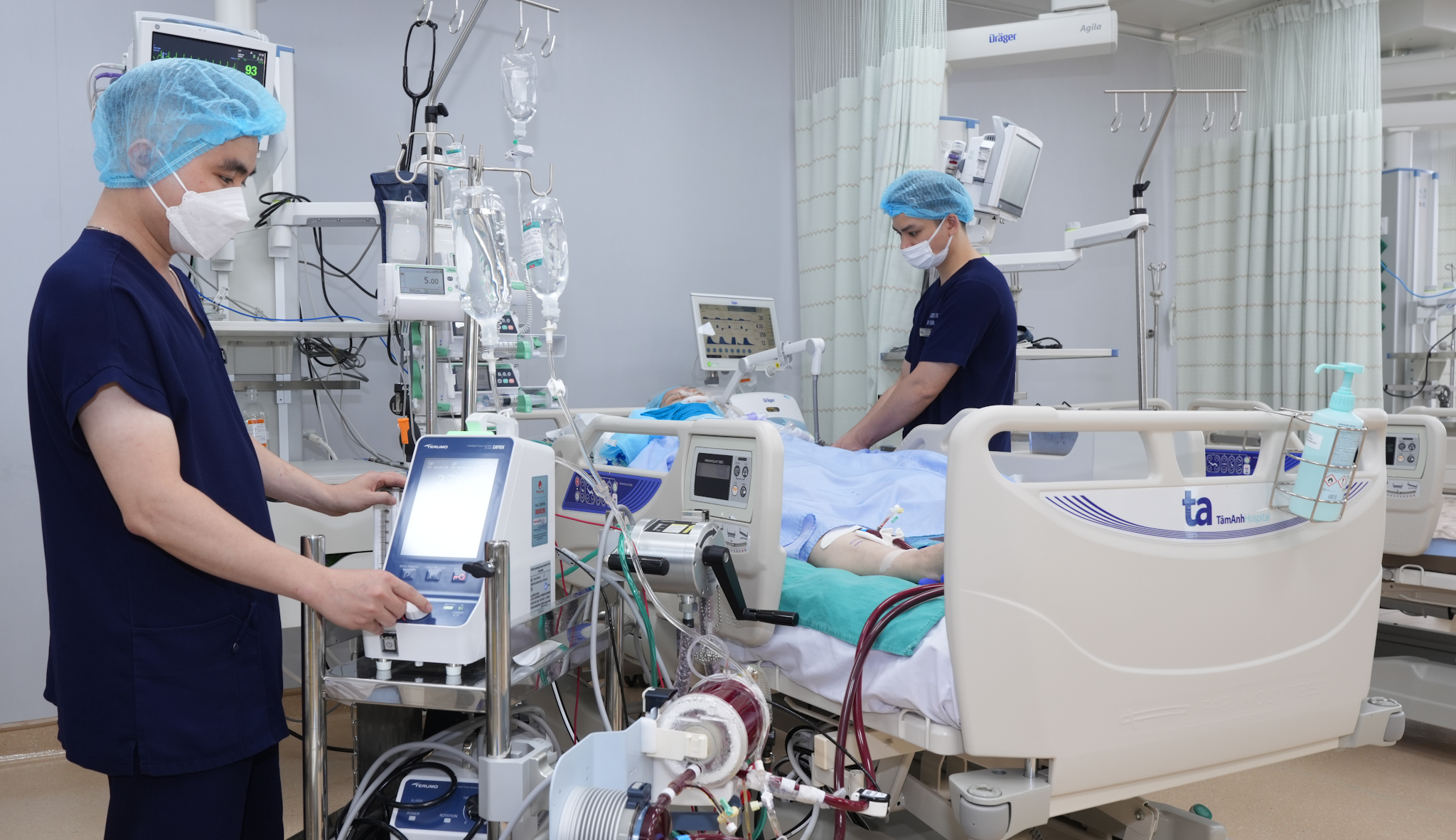 |
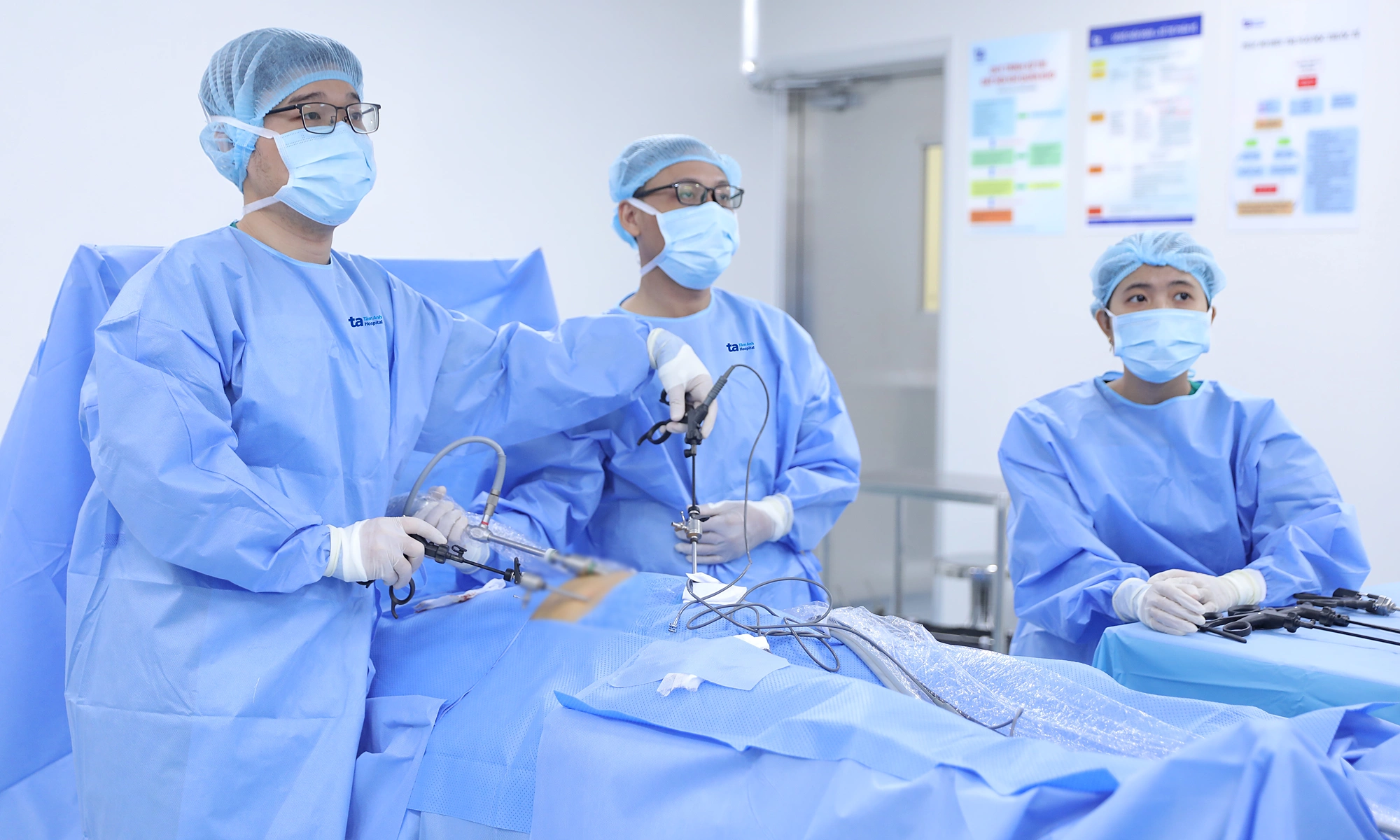
The patient underwent ECMO to support circulation and respiration. Photo: Tam Anh General Hospital |
After her hemodynamic status stabilized, Ms. Lam underwent revascularization of the severely blocked coronary arteries. Doctors successfully implanted 4 stents, restoring blood flow to her heart. Her heart function gradually recovered, allowing her to be extubated. She continued treatment for heart failure and dyslipidemia, combined with physical rehabilitation, and was discharged after nearly one month.
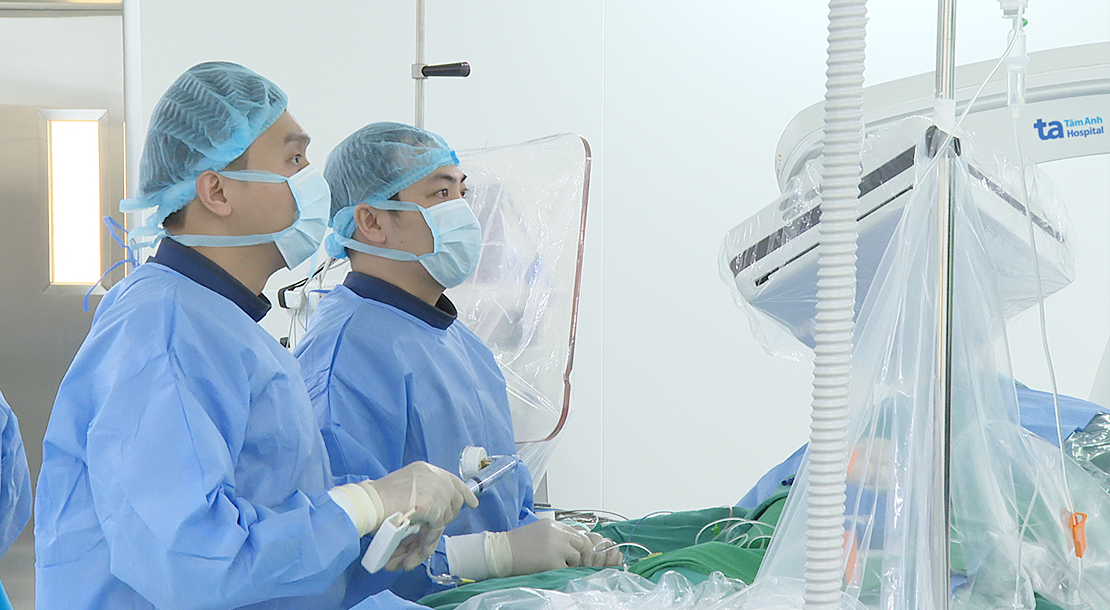 |
The team intervened to revascularize the patient's severely blocked coronary arteries. Photo: Tam Anh General Hospital |
Dr. Ngoc explained that cardiogenic shock represents the most severe complication of acute myocardial infarction. It is a state of reduced end-organ perfusion and tissue hypoxia caused by heart failure and the cardiovascular system's inability to deliver sufficient blood to the extremities and vital organs. This complication affects approximately 3-10% of myocardial infarction patients and is often fatal if not treated immediately.
Dr. Ngoc advises that elderly individuals or those with hypertension, diabetes, dyslipidemia, a history of smoking, or other cardiovascular diseases should not ignore symptoms such as prolonged chest pain, pain radiating to the shoulder, arm, or jaw, or shortness of breath. Patients must seek medical attention for timely examination and cardiac intervention.
Ly Nguyen
*Patient's name has been changed
| Readers can submit questions about cardiovascular disease here for doctors to answer |