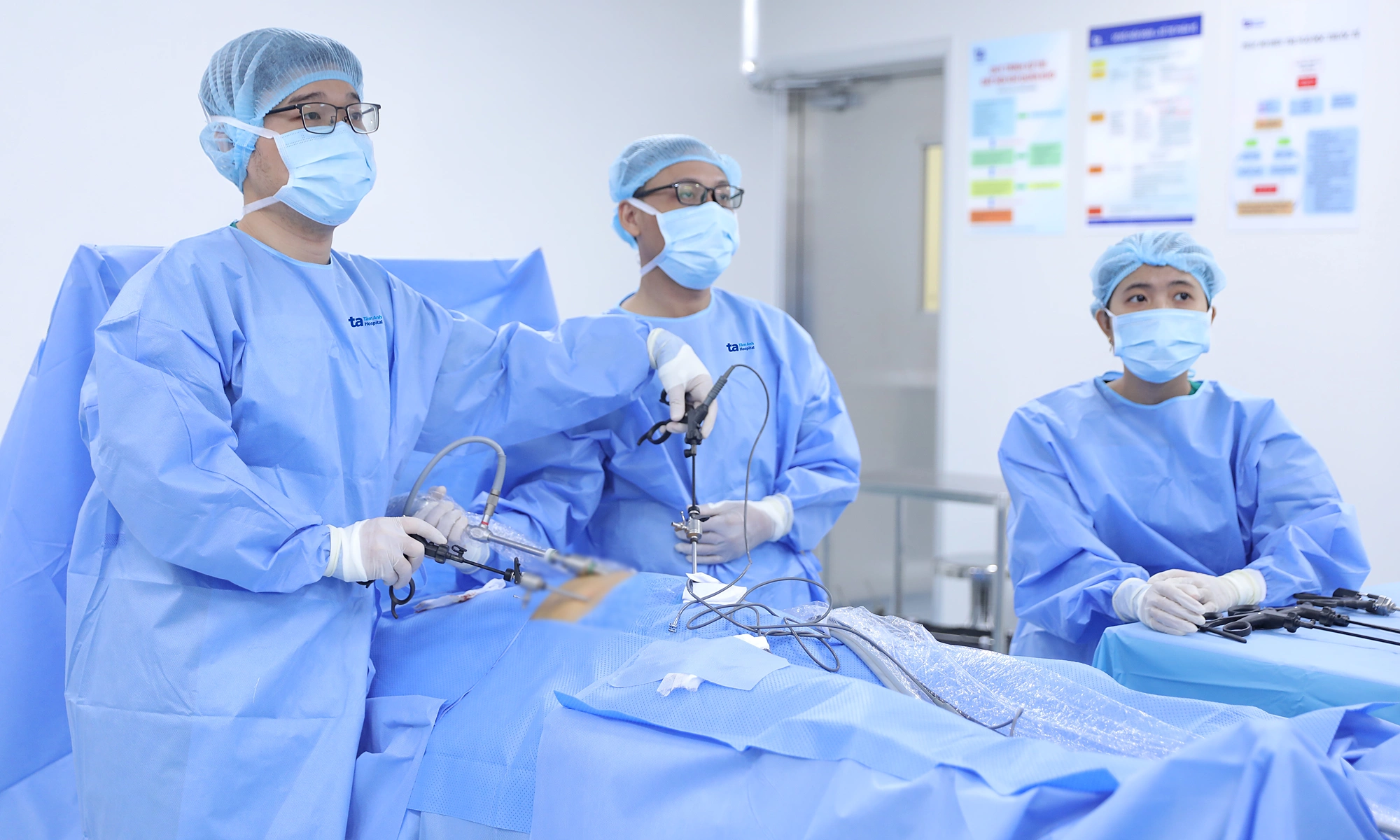
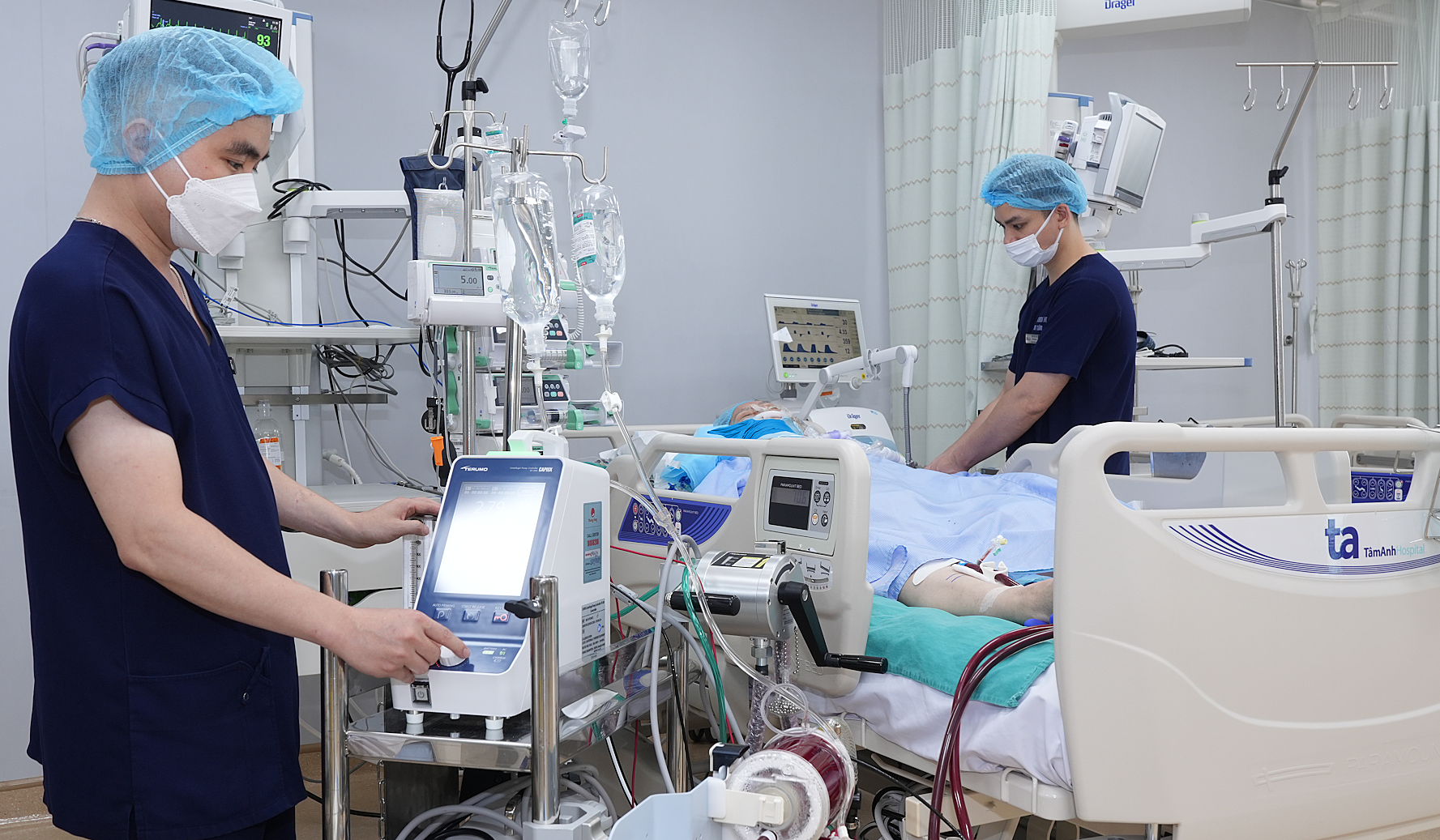
The cardiovascular system naturally ages, accumulating risk factors from the environment and lifestyle over many years. As time progresses, blood vessel walls gradually lose elasticity and become stiffer. The heart muscle, heart valves, and the heart's electrical conduction system also undergo structural and functional changes. Older adults face a high risk of coronary artery disease, heart failure, valvular heart disease, and arrhythmias, making them susceptible to events such as myocardial infarction and stroke.
Cardiovascular diseases in older adults often progress silently. Some individuals experience typical symptoms like chest pain and shortness of breath, but many only feel fatigue and reduced exercise capacity. The condition is easily overlooked until it has progressed or caused dangerous complications.
According to recommendations from cardiology associations, everyone should undergo regular cardiovascular risk assessments starting around 40 years old. This is particularly important for individuals with high blood pressure, diabetes, dyslipidemia, obesity, a smoking habit, or chronic kidney disease.
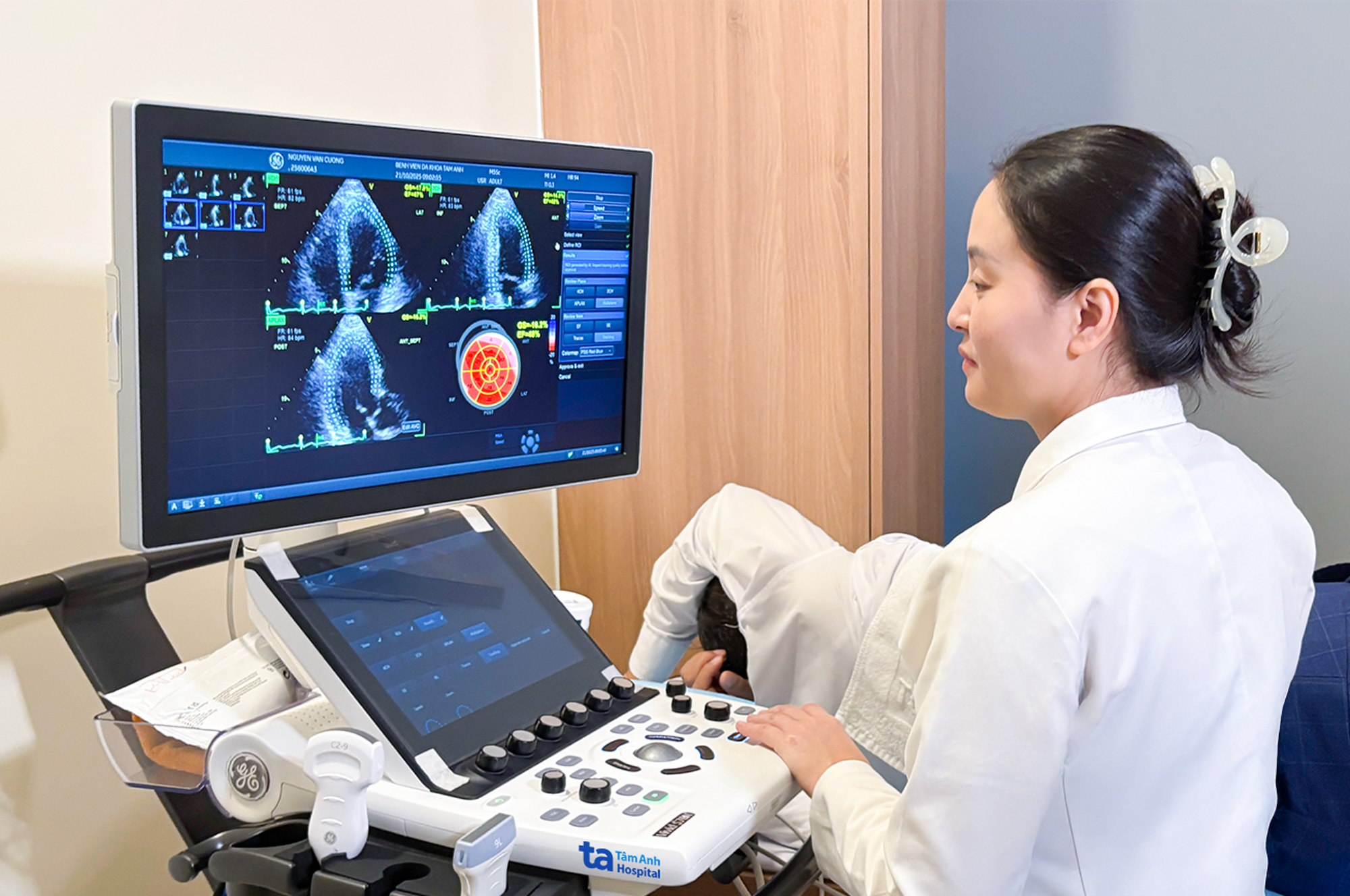 |
An ultrasound is performed on a patient's heart. Photo: Tam Anh General Hospital
At 61, even without a prior cardiovascular diagnosis, regular check-ups are advisable for early detection of abnormalities. You are in a high-risk age group for cardiovascular issues; early detection and good control of risk factors significantly reduce the risk of myocardial infarction and stroke.
Doctors will prescribe specific tests based on a person's age, symptoms, underlying conditions, and individual cardiovascular risk levels. Typically, a doctor will perform a clinical examination, measure blood pressure, heart rate, and body mass index (BMI). They will also take personal and family medical histories, and assess symptoms such as chest pain, shortness of breath, palpitations, fainting, or leg swelling.
Patients may be prescribed some basic tests: Blood tests assess blood lipids, blood sugar, kidney function, and electrolytes to identify cardiovascular risk factors and support treatment choices. An electrocardiogram (ECG) helps detect arrhythmias, myocardial ischemia, old myocardial infarctions, or conduction abnormalities. An echocardiogram assesses heart structure and function, detecting valvular heart disease, heart failure, and myocardial abnormalities like left ventricular hypertrophy or chamber dilation.
Depending on the case, doctors may order an additional Holter electrocardiogram if an arrhythmia is suspected, or a 24-hour Holter blood pressure monitor if blood pressure fluctuates or is difficult to control. Patients undergo a stress test or coronary CT angiography if coronary artery disease is suspected. Some specialized tests such as NT-proBNP, Troponin, or Lp(a) may also be performed if indicated by a doctor.
Dr. Le Anh Tuan, Specialist Level 2
Department of Cardiology
Tam Anh Cau Giay General Clinic
| Readers can submit questions about cardiovascular disease here for a doctor's response. |