After age 50, the body begins to age more rapidly. Muscle mass decreases, bone density weakens, and the risk of chronic diseases like hypertension, diabetes, and cardiovascular issues increases. Maintaining unsuitable habits can accelerate this health decline, even if no clear symptoms appear initially.
Focusing solely on cardio while neglecting strength training
Walking, running, and cycling are beneficial for cardiovascular health, but focusing only on cardio is insufficient. After age 50, the body gradually loses muscle mass and strength. Without resistance training, such as lifting weights, using resistance bands, or bodyweight exercises, muscle loss accelerates, reducing mobility, increasing the risk of falls, and slowing down metabolism.
According to Healthline, combining aerobic exercises with strength training not only helps maintain muscle mass but also reduces the risk of chronic diseases and contributes to a longer lifespan.
Consuming excessive processed foods
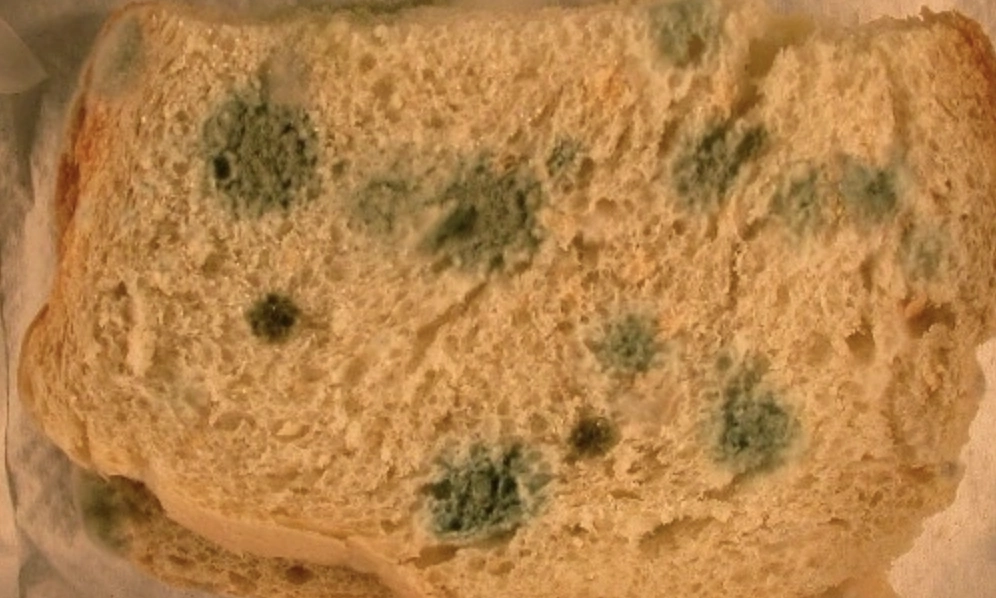
Verywell Health points out that processed foods are often high in sodium, added sugars, and saturated fats, yet low in fiber. Regular consumption of these foods can increase the risk of cardiovascular disease, hypertension, diabetes, and certain types of cancer.
 |
Processed foods are often high in sodium, added sugars, and saturated fats. *Photo: Bao Bao*
To protect health and extend lifespan, experts recommend prioritizing whole foods such as vegetables, fruits, whole grains, legumes, and nuts. Additionally, individuals should prepare meals from fresh ingredients rather than relying on packaged foods.
Skipping health check-ups
Hypertension, diabetes, dyslipidemia, and many types of cancer often progress silently for extended periods. If individuals only seek medical attention when symptoms appear, the disease may already be in an advanced stage, making treatment more challenging.
Experts advise people over age 50 to undergo regular health check-ups and appropriate screening tests based on their age, gender, and family history. Early screening helps detect diseases, increasing opportunities for treatment and recovery.
Drinking excessive alcohol as in youth
According to Times of India, as age increases, body water content decreases while fat percentage rises. Consequently, the same amount of alcohol can result in a higher blood alcohol concentration than before. Liver function also declines over time, causing alcohol to remain in the body longer.
Alcohol can also impair sleep quality, increase blood pressure, contribute to fatty liver disease, and interact with many medications commonly prescribed for people over age 50. Experts recommend that older adults limit or, ideally, avoid alcoholic beverages to reduce the risk of premature mortality and contribute to a longer lifespan.
Longevity is influenced not only by genetic factors but also significantly by lifestyle. Regular exercise, adequate sleep, limiting alcohol, routine health check-ups, mental health care, and maintaining social relationships help extend healthy, independent living and reduce illness in old age.
*Bao Bao (Compiled)*