Dr. Dao Viet Phuong, Deputy Director of the Stroke Center, Bach Mai Hospital, stated that many people perceive stroke sequelae as primarily involving obvious physical symptoms like hemiplegia, facial droop, or swallowing disorders. Yet, beneath these visible motor impairments lies an "invisible sequela" that can profoundly change a patient's life.
A meta-analysis of 21 clinical studies revealed that up to 45% of cerebral infarction patients who survive experience cognitive decline within the first year. Many individuals, though physically able to walk after hospital discharge, gradually lose their memory, logical thinking, and ability to perform daily activities. This loss of independence creates a significant long-term care burden for families and society.
Pathophysiological analyses indicate that when blood flow to the brain is interrupted, the brain not only experiences oxygen deprivation but also rapidly depletes important neurotransmitters. For instance, within about 30 seconds of a stroke, acetylcholine – a substance vital for memory and concentration – can decrease by up to 50%. After 10 minutes, this decline reaches 83%, leading to severe damage to nerve cells and a loss of connectivity.
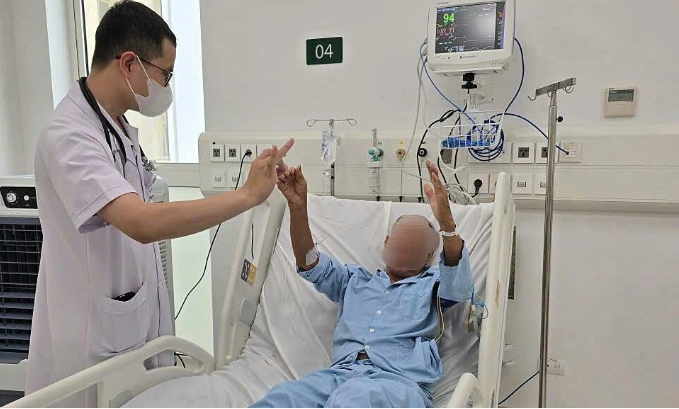 |
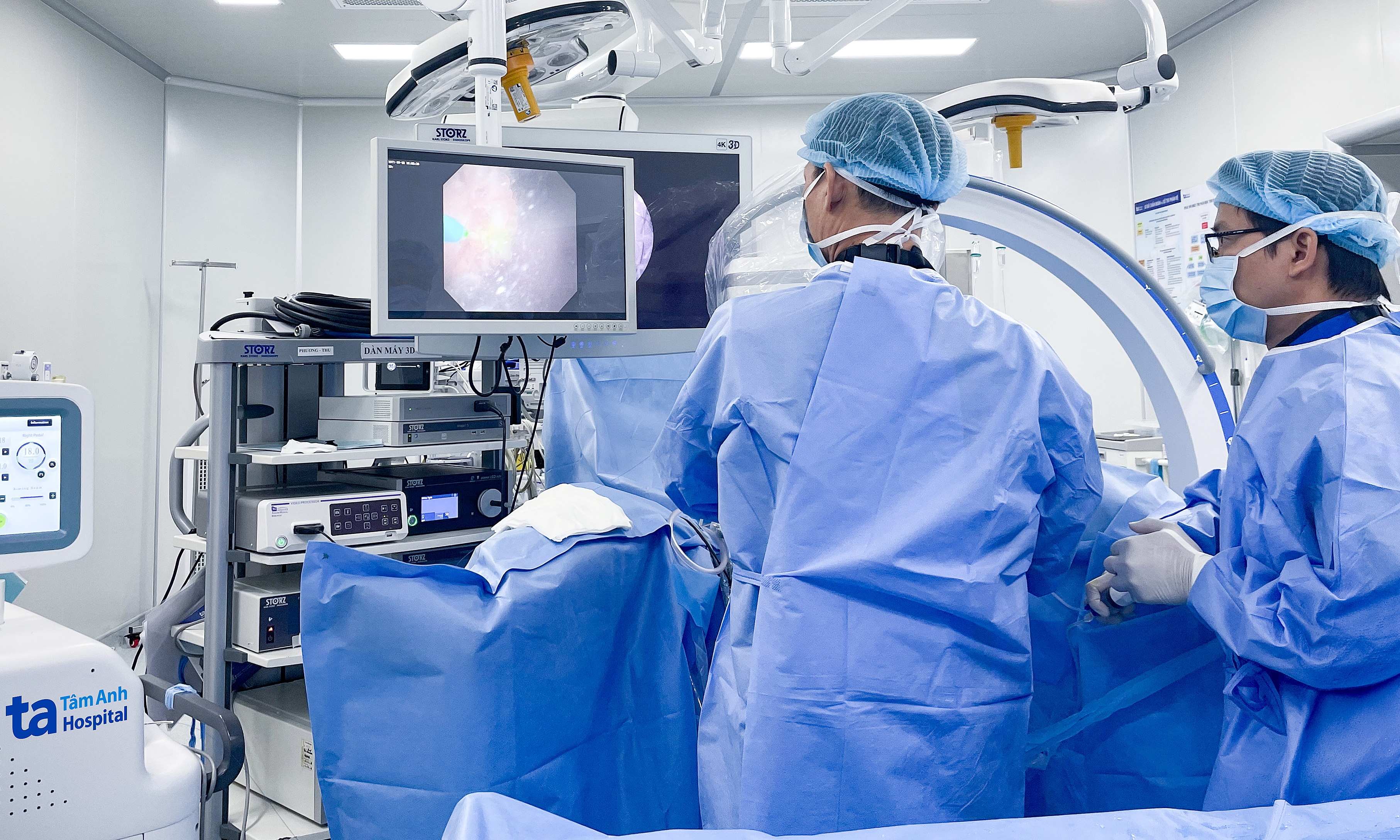
A stroke patient receiving treatment at Bach Mai Hospital. *Photo: The Anh*.
According to Dr. Phuong, the current goal of stroke treatment extends beyond saving lives to ensuring comprehensive physical and cognitive recovery. The recommended treatment strategy involves three pillars: strict control of risk factors like hypertension, diabetes, and dyslipidemia; cognitive rehabilitation through specialized exercises to enhance neural plasticity; and the application of neuroprotective measures and brain nutritional support as professionally indicated.
Notably, implementing neuroprotective protocols for nerve cell membranes within the first 24 hours in acute cerebral infarction patients has demonstrated positive effects. International assessment scales like NIHSS and Barthel have recorded better recovery outcomes in patients treated early and according to the correct protocols. Adhering to cerebral stroke diagnosis and treatment guidelines from the initial stage helps improve neurological function, shorten hospital stays, reduce dependency, and alleviate the burden of long-term treatment costs.
Therefore, proactive screening, early detection of cognitive decline, and rehabilitation intervention from the first days after a stroke are crucial for patients to truly regain an autonomous, high-quality, and fulfilling life. Missing this critical window significantly increases the risk of cognitive decline progressing to vascular dementia, a condition that is very difficult to reverse.
Le Nga