 |
Matcha green tea has higher levels of caffeine, chlorophyll, and catechins than regular green tea. According to Healthline, these antioxidants possess potent anti-inflammatory and antioxidant properties. Green tea is also rich in L-theanine, an amino acid that promotes relaxation and slows caffeine absorption, contributing to a steady and prolonged energy boost.
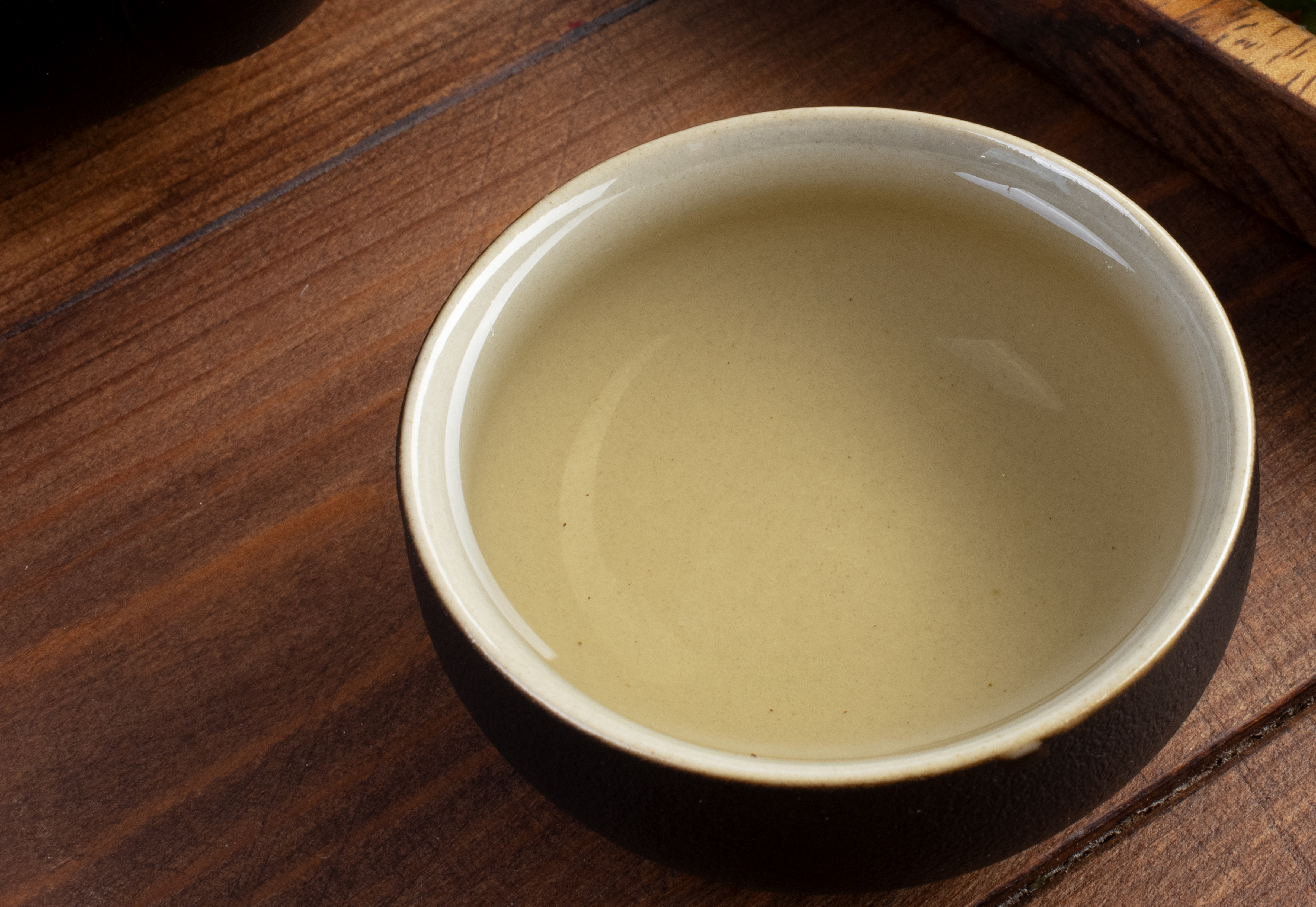 |
Shan Tuyet tea brews a light-colored liquid, containing caffeine, though less than matcha and black tea. However, this tea is rich in L-theanine, which helps increase alertness and provides sustained energy release for several hours, enabling drinkers to work efficiently without causing insomnia.
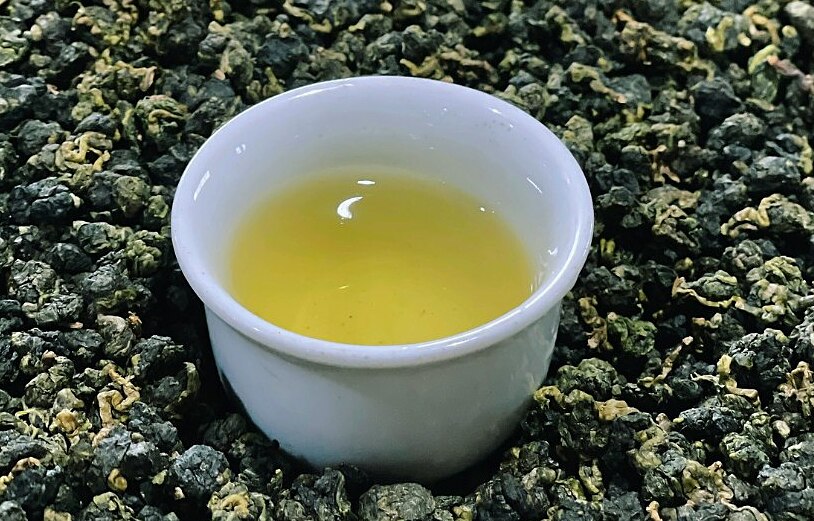 |
Oolong tea contains several amino acids, known for their nerve-calming and mind-relaxing effects. Oolong tea can contain about 40-53 mg of caffeine along with high L-theanine, which stimulates the central nervous system. Polyphenol and catechin antioxidants help break down fats, providing the body with an energy source, according to Very Well Health.
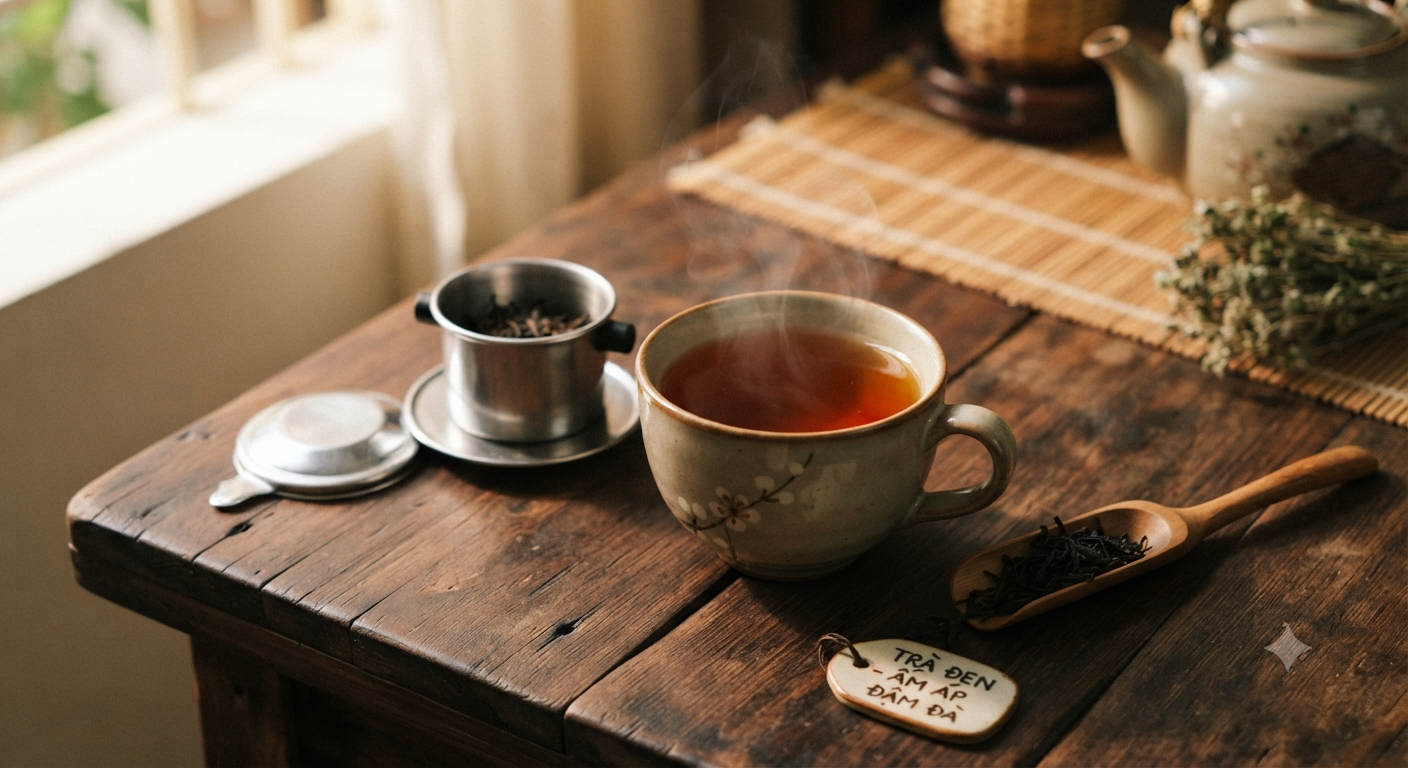 |
Traditional black tea comes in various flavors and can be consumed directly or brewed with milk to make milk tea. Black tea is rich in theaflavin compounds, which can stimulate the production of "happiness hormones" and boost energy. The L-theanine in black tea helps prevent sudden energy spikes and crashes. Black tea contains about 47 mg of caffeine in a 240 ml cup. It is advisable to drink it in the morning to avoid insomnia.
Anh Chi (Compiled)
Photos: Anh Chi, AI