Every day, a surgeon in Havana wakes up at 5 am. Instead of preparing for his medical duties, he cooks rice and beans to sell. This additional income is his sole means to cover transportation expenses, as his 8,000 peso monthly salary is insufficient against soaring inflation, with a tray of eggs now costing 3,000 peso.
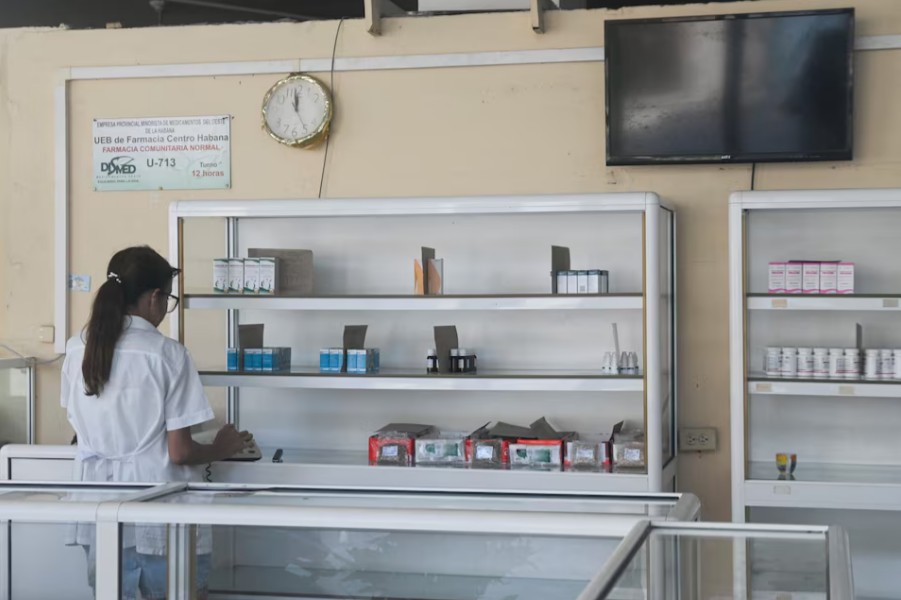 |
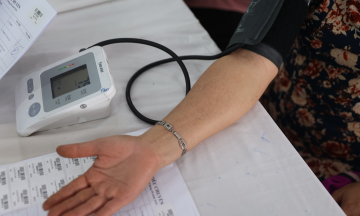
A woman working in a pharmacy in Havana, Cuba, on 24/3. *Reuters*
Inside the hospital, the surgeon with 25 years of experience confronts a grimmer reality. The power grid is down for 20 hours daily. Clean water is depleted. Doctors improvise, using empty water bottles for urine collection and cleaning hospital floors with plain water, Reuters reported.
Cuba's healthcare system, long lauded as a major achievement of the 1959 revolution and decades of government oversight, is undergoing severe deterioration. A struggling economy, coupled with stringent economic sanctions from the US, has left profound consequences. This crisis is exacerbated by an oil embargo imposed by the US this year.
The island's economy has faced further severe blows since Venezuelan President Nicolas Maduro, Cuba's closest ally, was overthrown on 3/1. From 9/1, no oil has been imported, paralyzing the electricity sector, leading to scarce public transportation, and accumulating waste as collection vehicles lack fuel. This absence of imported fuel has crippled the national power grid. Hospital backup generators also sit idle, depleted of oil.
Research in The Lancet Medical Journal indicates that continuous power interruptions can increase mortality rates in healthcare facilities by up to 43%, mainly due to life-support equipment failures and deteriorating sterile conditions. In Cuba, this disaster is manifesting through stark figures.
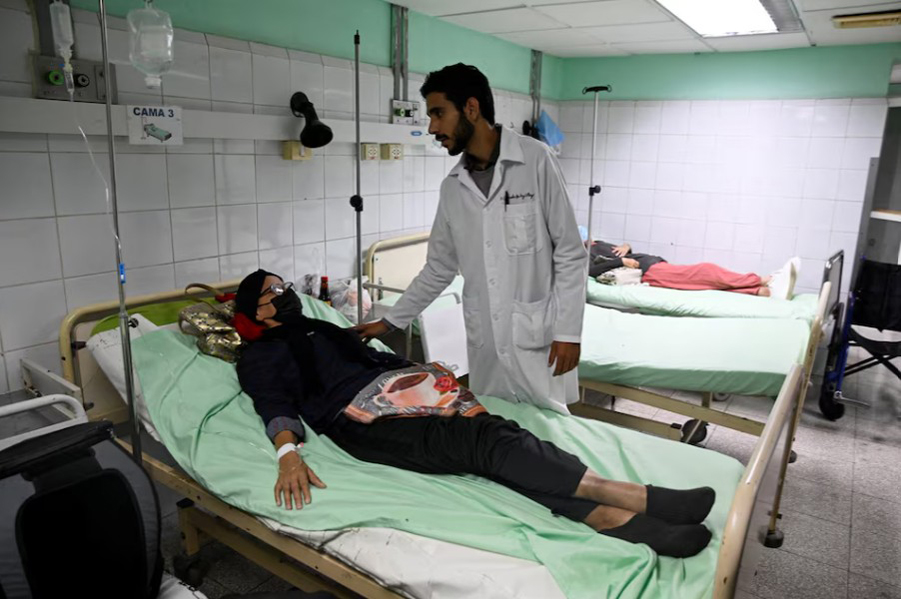 |
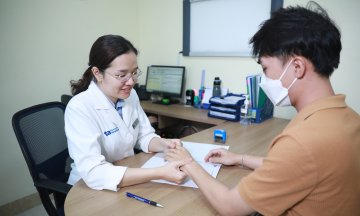
A doctor talking to a patient at a public hospital in Havana, Cuba, on 18/3. *Reuters*
World Health Organization (WHO) data reveals 96,000 people are awaiting surgery. Over 300 pediatric surgeries are canceled weekly due to oxygen and anesthetic shortages. Tens of thousands of pregnant women miss routine ultrasounds. Most alarmingly, 117,000 cancer patients face interrupted treatment protocols as vital machines remain dark. A lack of antibiotics and gloves has also caused outbreaks of infections and hepatitis within hospitals. Vaccine cold storage is compromised by insufficient power.
A wave of exhaustion is sweeping through public healthcare staff. Many tearfully abandon their profession, opting for jobs as waiters or cleaners to survive. Helplessness pervades the dark corridors as they must admit to patients their inability to provide care.
Tedros Adhanom Ghebreyesus, Director-General of the World Health Organization (WHO), described Cuba as undergoing a period of "intense upheaval." He characterized the healthcare situation as "deeply concerning." In a 25/3 post on social media X, Ghebreyesus stated: "Healthcare must be protected at all costs and never be allowed to become a pawn in geopolitical games, energy blockades, or power cuts. The situation in Cuba is deeply worrying as the country struggles to maintain health services, leading to energy shortages affecting people's health."
Anticipating a situation that could lead to "rapid collapse and significant loss of life," the United Nations (UN) has proposed an emergency plan valued at 94.1 million USD. Francisco Pichon, UN coordinator in Cuba, stated the organization is negotiating with Washington to permit energy imports for humanitarian purposes. The UN proposes a "fuel traceability model" to ensure energy reaches critical hospitals and emergency services directly.
"All solutions are being considered, including cooperation with the private economic sector," Pichon emphasized.
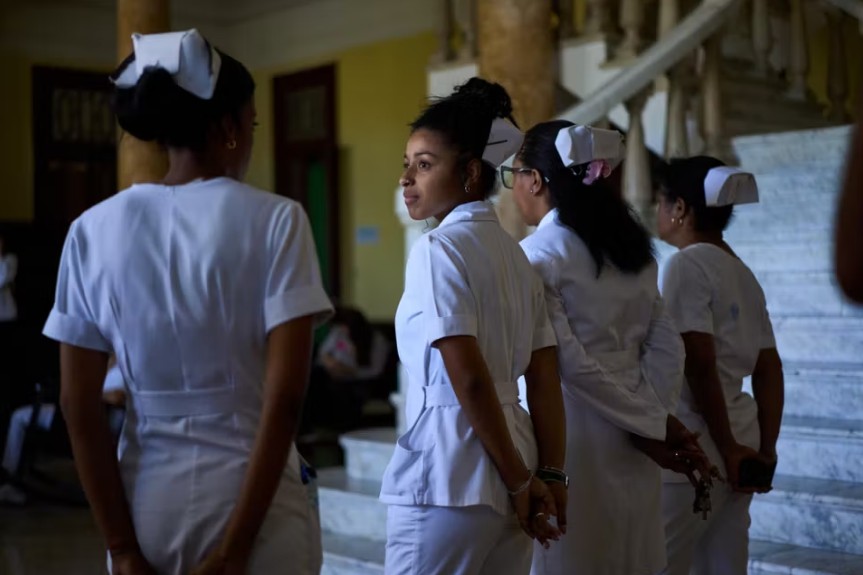 |
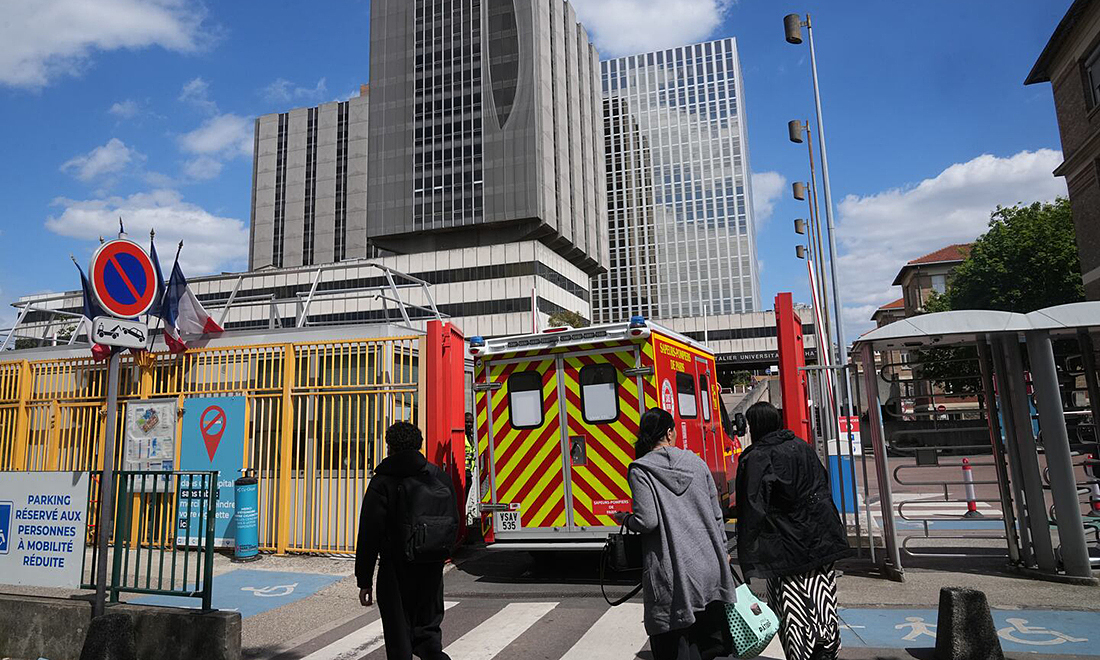
Nurses stand outside Salvador Allende Hospital awaiting aid in Havana, Cuba, on 21/3. *AP*
By Binh Minh (Based on Reuters, Le Monde)