


This warning became urgent after Hai Phong police discovered 130 tons of african swine fever (ASF)-infected pork in the warehouse of a long-standing canned food company on 8/1. Authorities determined the company had processed two tons of the diseased meat into finished products. Task forces destroyed all evidence and initiated legal proceedings, temporarily detaining 9 individuals involved for violating food safety regulations.
Doctor Le Van Thieu, from the Department of General Infections at the National Hospital for Tropical Diseases, affirmed that the greatest danger lies in heat-stable toxins. Although the canning and pate production processes typically involve heating to 100°C, this temperature cannot completely destroy toxins such as histamine, endotoxin, or mycotoxin, which are generated from spoiled meat or deceased pigs.
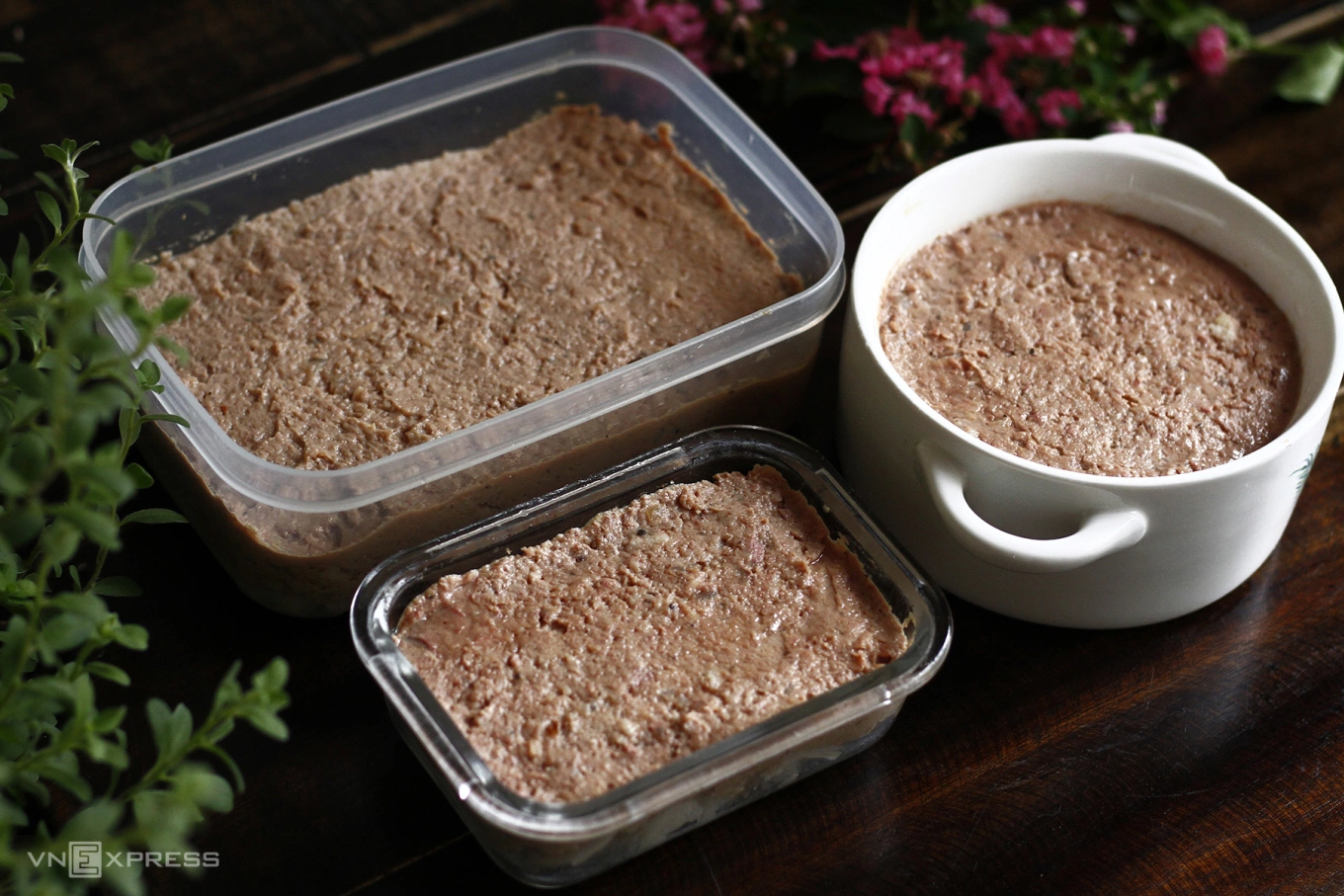 |
Exercise caution when purchasing pork and pate; only buy from reputable stores with clear inspection certifications. *Photo: Bui Thuy*
Consumers who ingest these products face the risk of acute poisoning, with symptoms including severe vomiting, abdominal pain, and hypotension. Severe cases can lead to toxic shock and multi-organ failure. Long-term exposure to small amounts of toxins can silently damage the liver and kidneys, and increase cancer rates. Worryingly, finished products containing toxins often show no abnormal signs in color or taste, making them undetectable by sight or smell.
Associate Professor, Doctor Nguyen Duy Thinh, from the Institute of Biotechnology and Food Technology (Hanoi University of Science and Technology), highlighted a dual risk: pigs infected with african swine fever often experience severe immune suppression, making them susceptible to co-infections such as blue ear disease, typhoid, and influenza. Within the diseased meat environment, bacteria like Salmonella, E.coli, Listeria, and parasites such as trichinella and tapeworms can multiply rapidly. These agents attack the digestive system, causing diarrhea and high fever, posing particular dangers to young children, the elderly, and pregnant women.
Another danger is Streptococcus suis bacteria. This bacterium can enter the body through skin abrasions during processing or via ingestion, leading to meningitis and bloodstream infections. Affected individuals face expensive treatment costs, requiring dialysis, mechanical ventilation, and enduring severe long-term consequences.
Experts advise the public to only purchase pork from reputable sources with clear inspection certifications to ensure food safety. Avoid buying meat that is pale, bruised, watery, has a foul odor, or shows numerous hemorrhagic spots on its surface.
Fresh pork typically appears dry, with a pink or dark red color, firm fat, and a natural aroma. When touched, the meat should not be sticky and leave no unusual residue. When boiled, the broth should be clear and fragrant, with a distinct layer of fat floating on the surface.
Pork must always be cooked thoroughly; avoid consuming undercooked or raw dishes such as nem chua (fermented pork roll), tiet canh (blood pudding), or goi thit (pork salad) to prevent infection risks. During preparation, home cooks should wash their hands thoroughly and use separate knives and cutting boards for raw and cooked foods to prevent cross-contamination.
Thuy Quynh





