Heart attacks can occur at any time, even during sleep. Issues such as arterial blockage, high blood pressure, and arrhythmias can increase this risk. The following tips can help prevent such an event.
Controlling diabetes and blood pressure
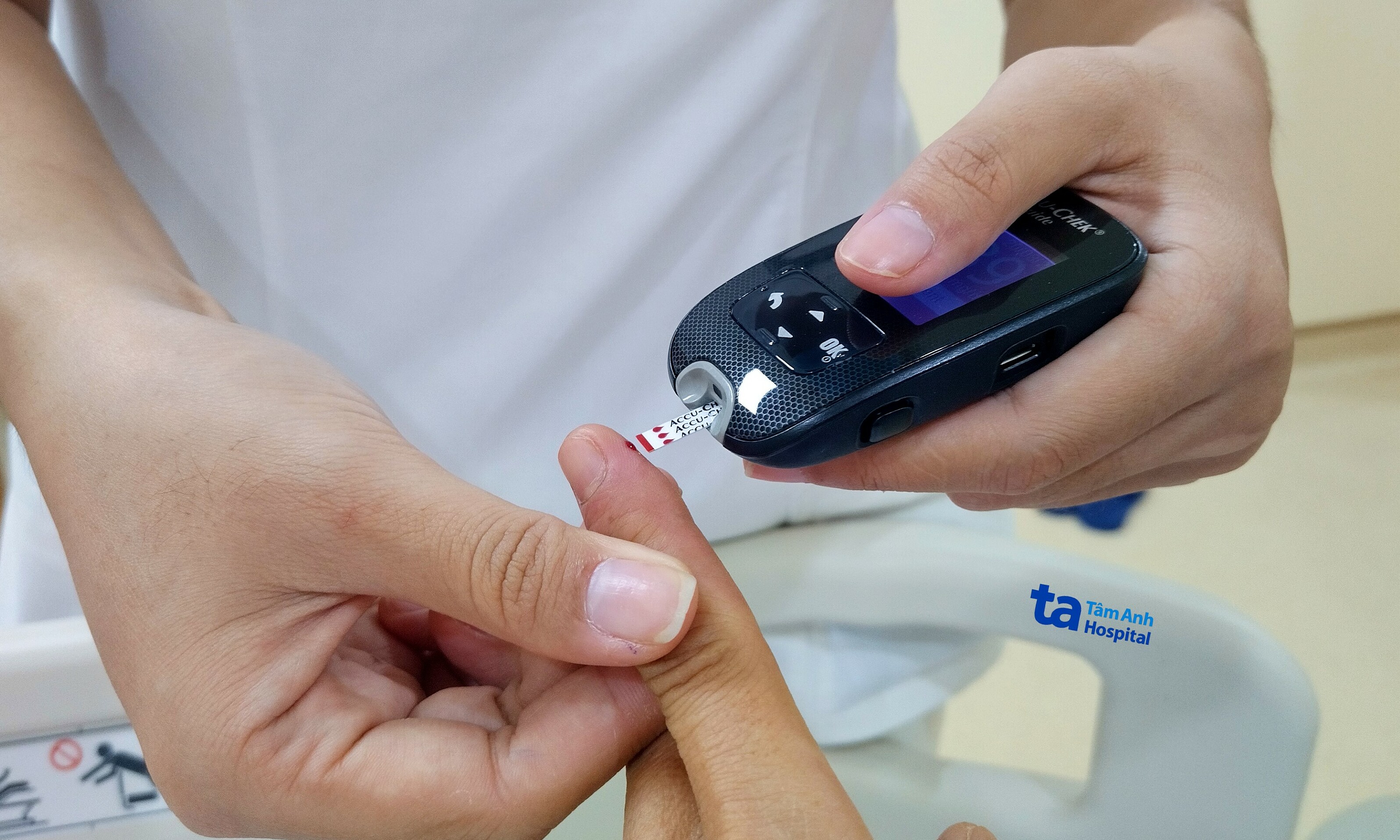
High blood pressure and diabetes are primary risk factors for heart attacks. Individuals with these conditions should take medication as prescribed, regularly monitor their blood pressure and blood sugar levels, and follow their doctor's advice on diet and exercise.
Quitting smoking and avoiding alcohol
Smoking damages blood vessels, increasing the risk of heart disease. Alcohol consumption also raises blood pressure, harms the heart, and increases the risk of a heart attack.
Managing weight
Excess weight puts additional strain on the heart, raising the risk of high blood pressure, diabetes, and cardiovascular disease. Losing weight can improve heart health. Focus on a healthy diet and regular exercise to maintain a stable weight.
Managing stress and ensuring quality sleep
Stress rapidly increases blood pressure and can lead to unhealthy habits like smoking or overeating. Learning to manage stress through practices such as meditation and yoga helps protect the heart. Poor sleep or sleep disorders, like sleep apnea, also elevate heart attack risk. Aim for 7-8 hours of sleep each night. If you snore loudly or feel fatigued during the day, consult a doctor to check for sleep apnea.
Practicing deep breathing
Deep, slow breathing before bed calms the mind and body, reduces stress, and lowers heart rate. This practice activates the body's relaxation response, decreases blood pressure, and increases oxygen supply to the heart. Regular deep breathing also mitigates the risk of cardiac stress and arrhythmias, factors that can trigger a heart attack during sleep. To practice deep breathing at night before sleep, try techniques like diaphragmatic breathing or the 4-7-8 method. Diaphragmatic breathing involves slow, deep breaths from the abdomen, while the 4-7-8 method includes inhaling for 4 seconds, holding for 7 seconds, and exhaling for 8 seconds.
Recognizing warning signs
Sometimes, warning signs such as chest pain, shortness of breath, or unusual fatigue appear before a heart attack. If you notice any of these signs at night, seek immediate medical attention.
By Le Nguyen (Adapted from Times of India)
| Readers can submit questions about cardiovascular health here for doctors to answer. |