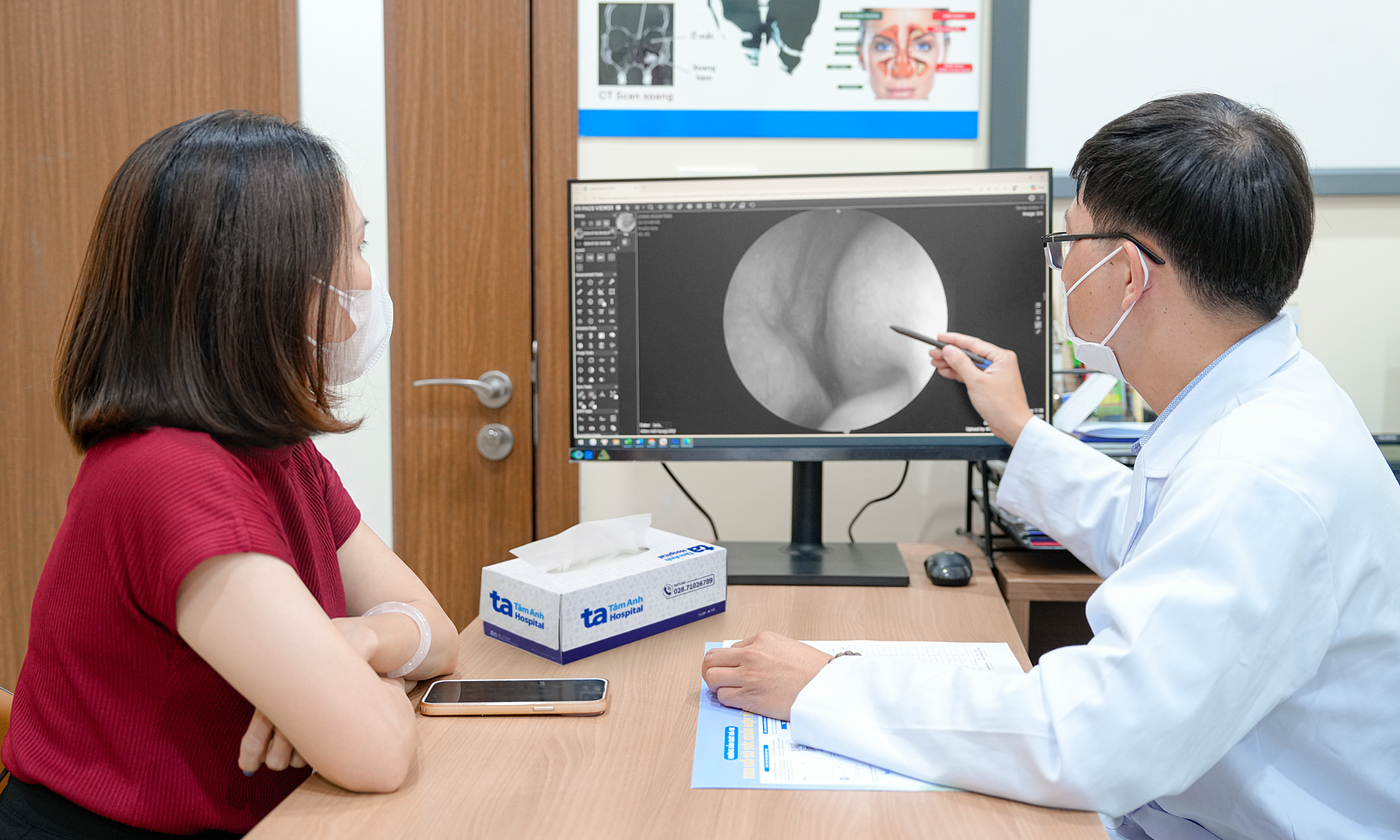
Mr. Canh sustained the injury while caring for his family's deer. Two weeks later, his arm developed increasing pain, prompting him to seek medical attention. Doctor Nguyen Duc Nghia, from the Thoracic and Vascular Surgery Center at Tam Anh General Hospital Ho Chi Minh City, observed that the patient's right arm was difficult to move and had no discernible pulse, indicating impaired blood circulation in the area. A CT scan revealed a 15-centimeter blood clot completely occluding the brachial artery. The artery was extensively damaged internally, despite the absence of external bruising or bleeding.
Brachial artery blockages typically result from atherosclerosis or blood clots. Doctor Nghia noted that "closed injuries like Mr. Canh's are uncommon". He explained that the impact force was sufficient to crush the artery wall without creating an external wound. Mr. Canh's arm had not yet necrosed thanks to collateral blood vessels that continued to nourish some of the tissue. However, the limited blood supply to the arm resulted in an absent pulse.
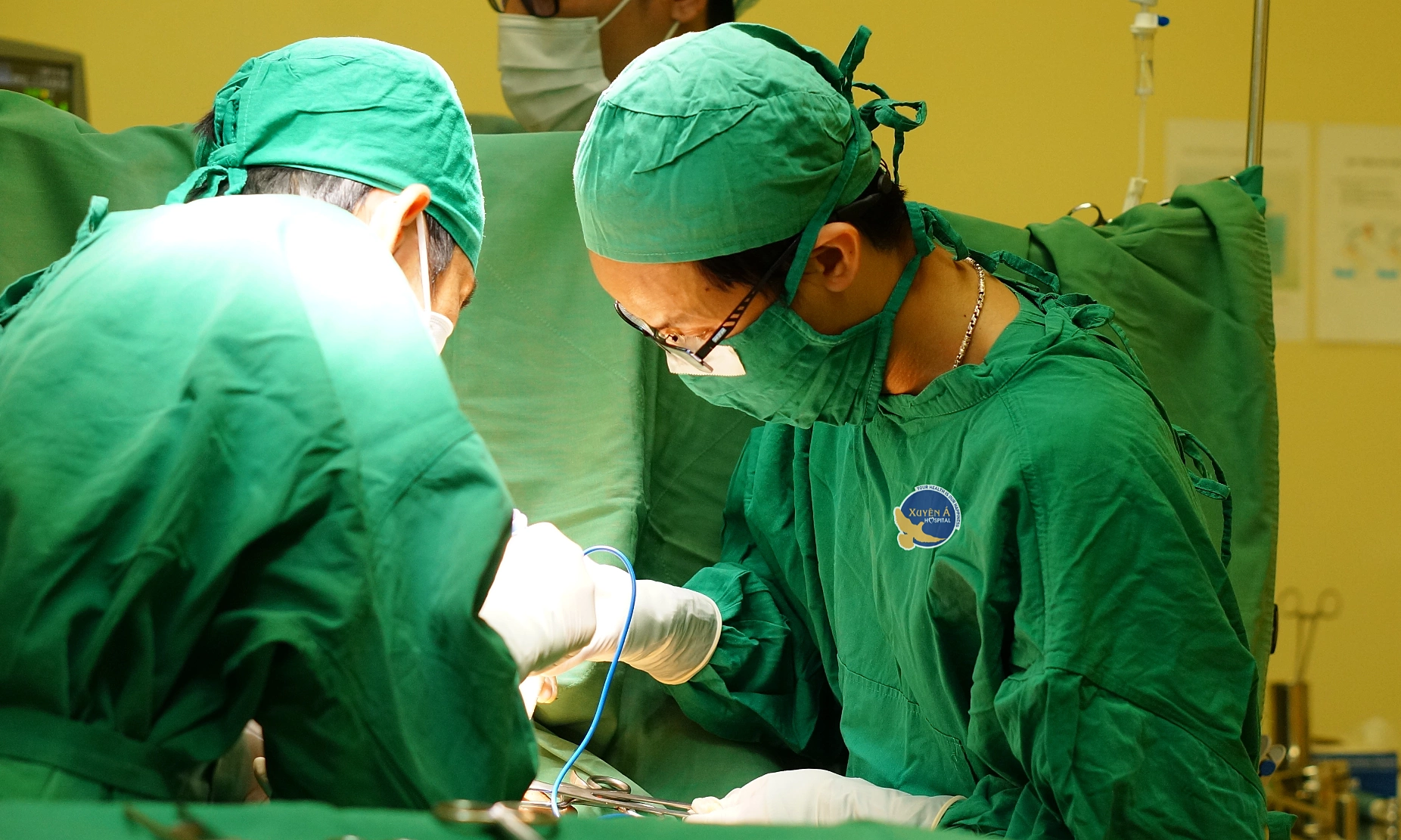
Doctor Nghia stated that Mr. Canh was admitted late, which would have made thrombolytic therapy risky and likely unsuccessful. Doctors initially planned for either thrombectomy or bypass surgery. During the operation, however, they discovered the artery was severely crushed and the blood clot completely blocked the lumen. This necessitated a switch to an arterial bypass using an autologous vein to re-establish blood flow.
Two hours post-surgery, an ultrasound confirmed the bypass was functioning well, re-perfusing the tissues of the upper arm, forearm, and hand. Mr. Canh's arm regained warmth, appeared pink, and the severe pain subsided. He was prescribed physical therapy to restore arm function.
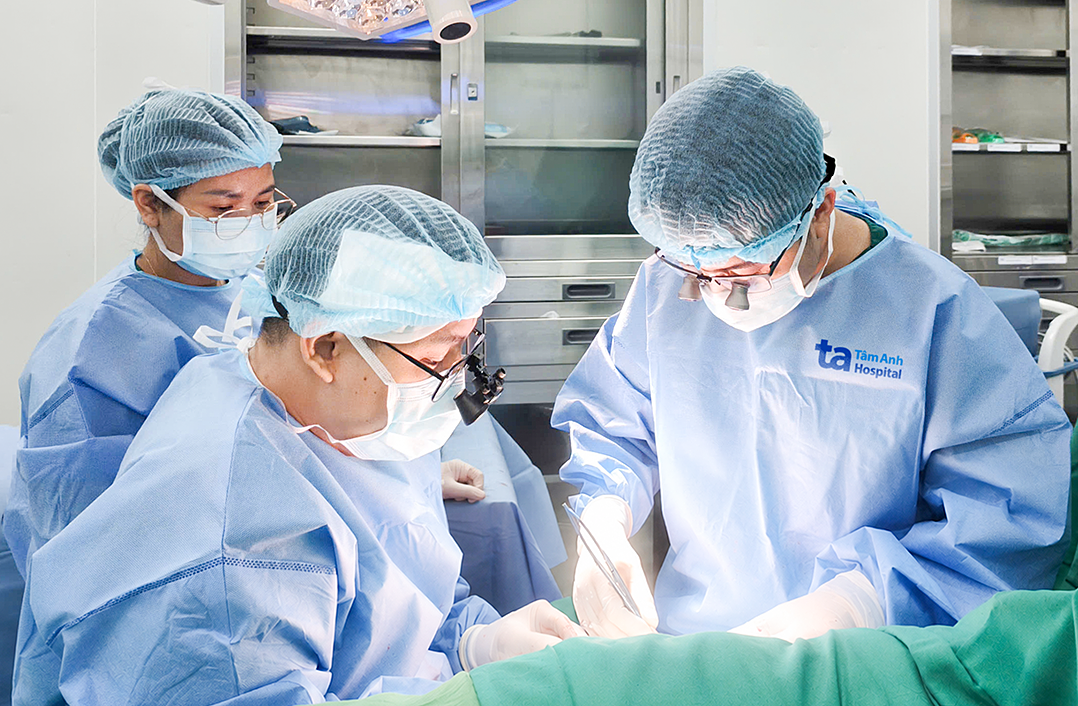 |
Doctor Nghia (left) and the Thoracic and Vascular Surgery team performing brachial artery bypass surgery on the patient. Photo: Tam Anh General Hospital |
Doctor Nghia advises that after any strong impact, especially if a limb develops increasing pain, coldness, numbness, weakness, or an absent pulse, individuals should seek immediate hospital care, even if there are no external wounds. These symptoms can indicate a closed vascular injury, and delayed detection can lead to limb necrosis or permanent functional loss.
Thu Ha
* The patient's name has been changed.