Estrogen influences neurotransmitters and pain processing mechanisms in the brain. A drop in estrogen can lead to headaches through several mechanisms:
Impact on serotonin: Estrogen affects serotonin, a neurotransmitter linked to pain perception and mood. When estrogen levels decrease, changes in serotonin can heighten sensitivity to headaches, especially in individuals prone to migraines.
Effect on blood vessels: Estrogen regulates blood vessel function, maintaining vascular wall elasticity and endothelial function. When estrogen levels decrease or fluctuate, the body's ability to regulate vascular constriction, dilation, and blood flow can be affected. This can trigger mechanisms associated with headaches, particularly in those susceptible to migraines. These changes may also cause symptoms like dizziness in some individuals.
 |
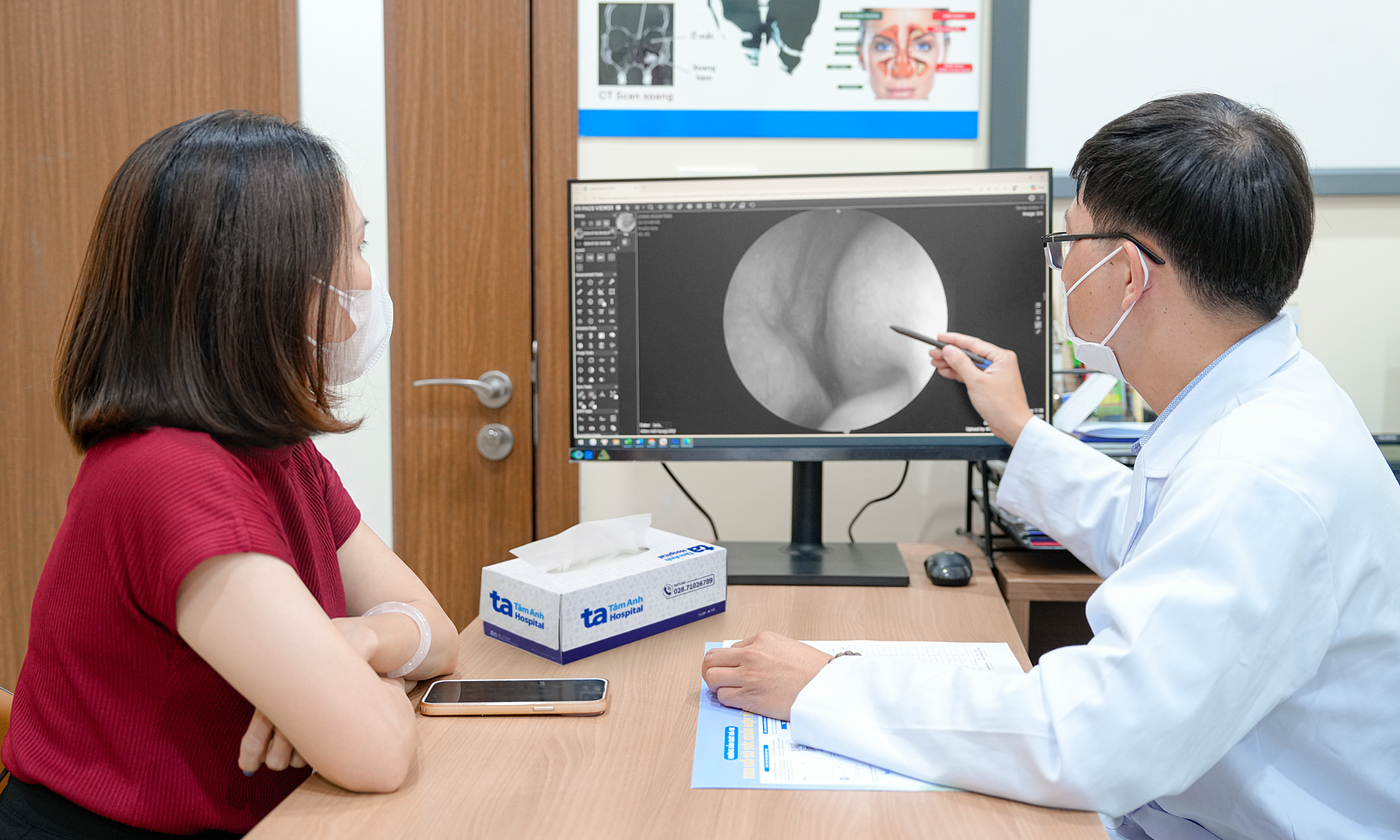
Changes in estrogen hormone affect blood vessels in the body. *Photo: Anh Chi* |
Increased brain sensitivity: Estrogen impacts endorphins, the body's natural pain relievers, and also influences the serotonin system involved in mood regulation and pain perception. When estrogen levels drop, these changes can make the nervous system more sensitive to headache triggers, such as light and noise.
According to Very Well Health, estrogen levels can fluctuate for various reasons, most notably before menstrual cycles, during menopause, and pregnancy. Birth control pills and hormone replacement therapy are also common causes of hormone level increases or decreases. In men, hypogonadism, aging, and pituitary disorders can cause estrogen hormone changes, though these are less pronounced than in women.
Headaches due to estrogen changes are often migraines, occurring suddenly and without prior warning. The pain is typically throbbing, starting on one side of the head, accompanied by sensitivity to light and nausea or vomiting. Beyond headaches, estrogen fluctuations can also cause fatigue, loss of appetite, joint pain, constipation, and cravings for sweets.
To help alleviate headaches caused by estrogen decline, individuals should drink plenty of water to stay hydrated and rest in a dark, quiet room. Applying an ice pack or cold compress to the head, massaging the painful area, practicing deep breathing, or other relaxation exercises can help reduce the frequency and severity of headaches.
Other factors can trigger headaches, such as skipping meals, undereating, sudden weather changes, or consuming alcohol or coffee. Therefore, if headaches persist for two weeks without a clear cause, individuals should seek medical examination to determine the underlying reason and receive appropriate treatment.
Anh Chi (Compiled)