Sinusitis is an inflammation, swelling, and blockage of the mucous membranes lining the paranasal sinuses. When the condition persists for over 12 weeks, it is classified as chronic sinusitis. Inflamed sinus membranes lead to mucus buildup, obstructing drainage and increasing pressure within the sinus cavities. This pressure affects surrounding tissues and nerves, causing pain, a heavy sensation, and throbbing in the head and face.
Maxillary sinusitis causes pain in the front of the face, while frontal sinusitis results in pain and aching directly in the forehead area. Inflammation in posterior sinuses, such as the sphenoid or posterior ethmoid sinuses, can lead to pain at the back of the neck or the crown of the head.
Sinus headaches typically last for several hours and tend to worsen when the patient bends forward or lies down. The pain is usually dull, and symptoms are not isolated; they are consistently accompanied by nasal congestion, nasal discharge, reduced sense of smell, and sometimes coughing or bad breath.
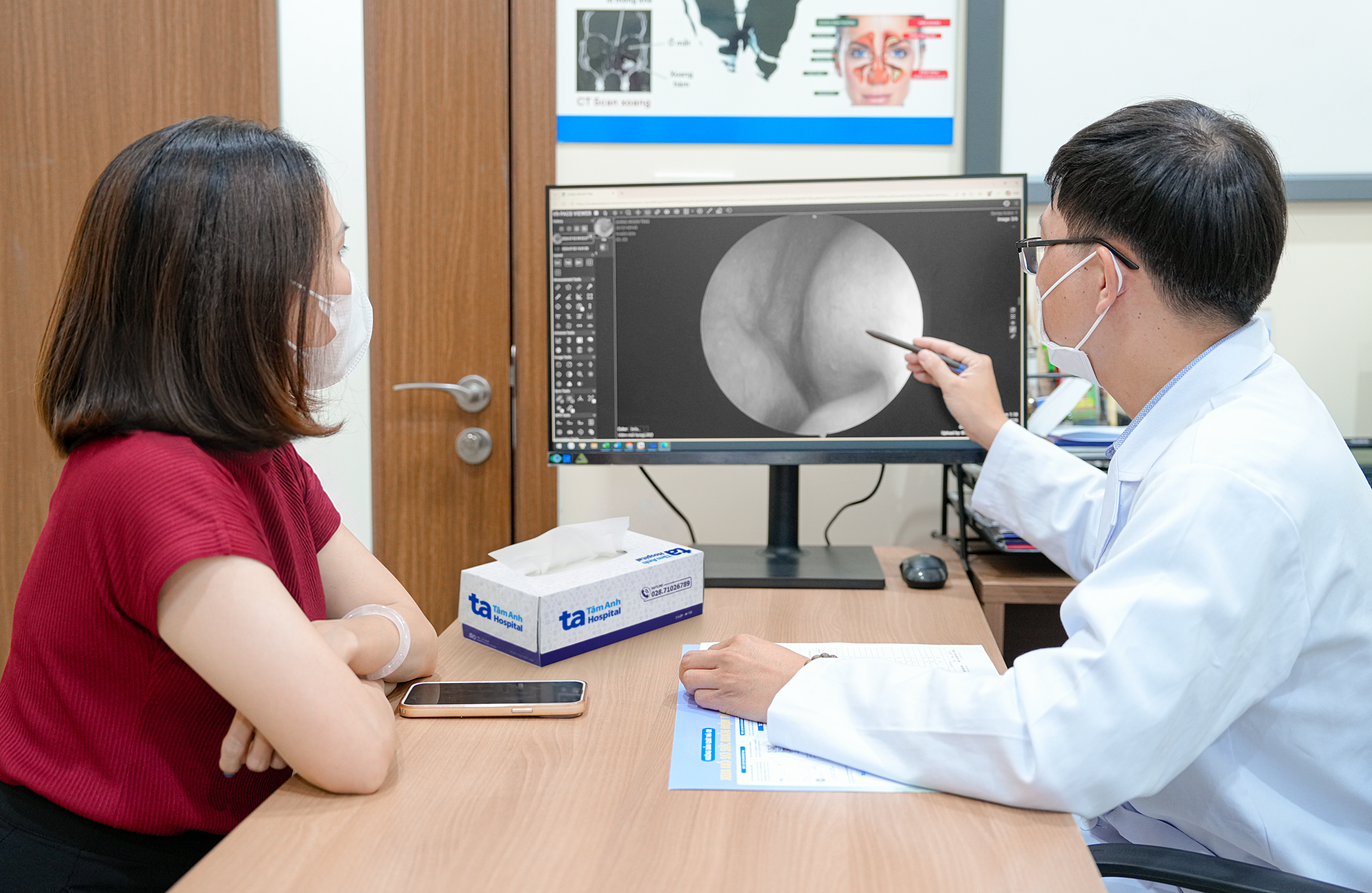 |
Doctor Phat consults a patient. Photo: Tam Anh General Hospital |
To alleviate headaches caused by sinusitis, addressing the inflammation and blockage within the sinuses is essential. When sinus drainage pathways are cleared, pressure within the sinus cavity decreases, helping to control symptoms.
Initially, doctors typically prescribe medical treatment with medication to help clear the airways. Patients should irrigate their nose daily with physiological saline to cleanse and reduce mucus buildup.
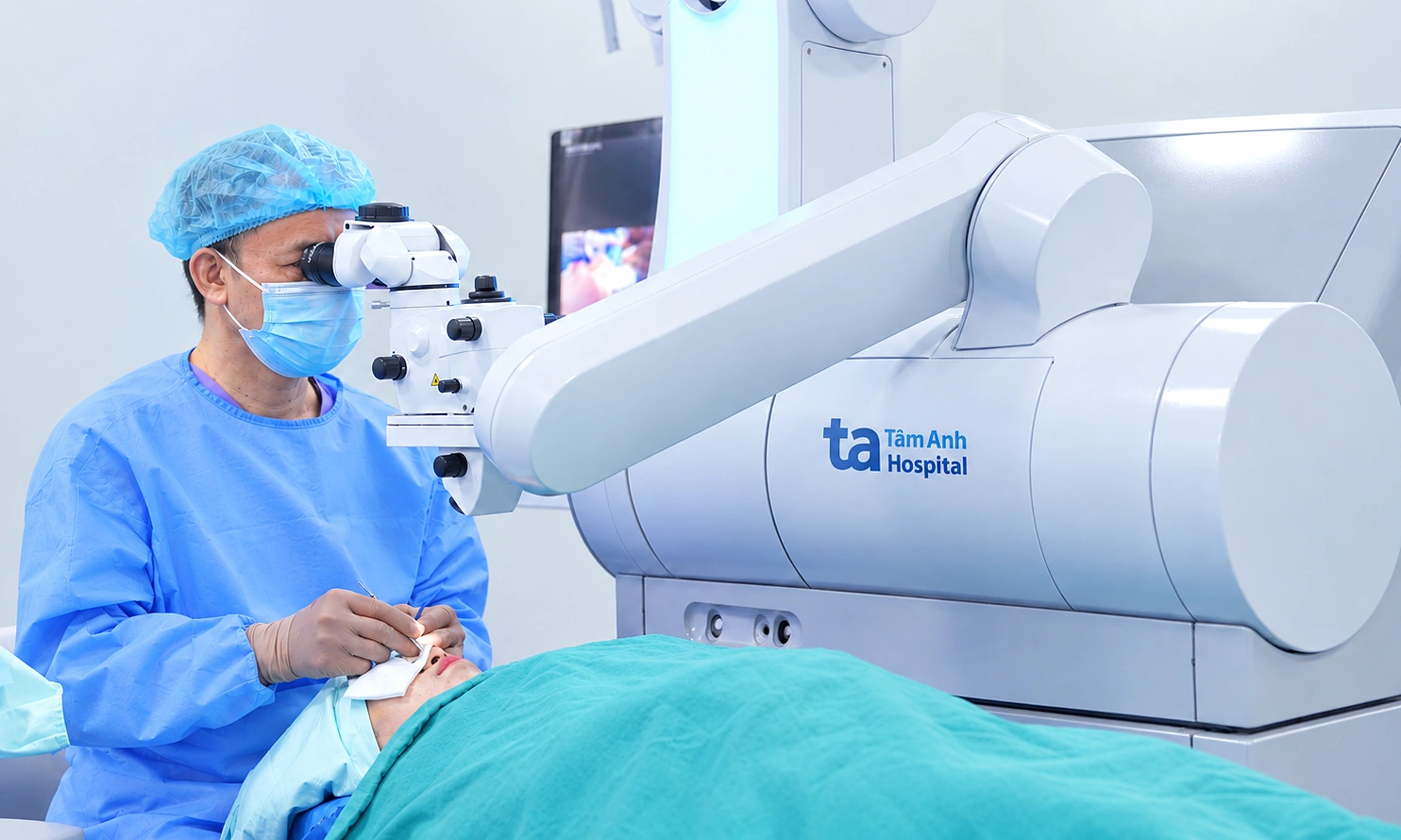
If prolonged medical treatment is ineffective, sinusitis recurs frequently, or complications arise (such as orbital compression or blurred vision), doctors may recommend surgery to restore the sinuses' natural drainage pathways, aiding long-term disease control.
Patients should avoid factors that worsen sinusitis, such as tobacco smoke, dust, and sudden temperature changes. Regular follow-up appointments are important for doctors to assess treatment response; patients should avoid discontinuing medication independently once symptoms begin to subside.
Dr. Truong Tan Phat, Master, Level 1 Specialist
Head of Otorhinolaryngology Department
Tam Anh General Clinic, District 7
| Readers can submit questions about ear, nose, and throat conditions here for doctors to answer. |