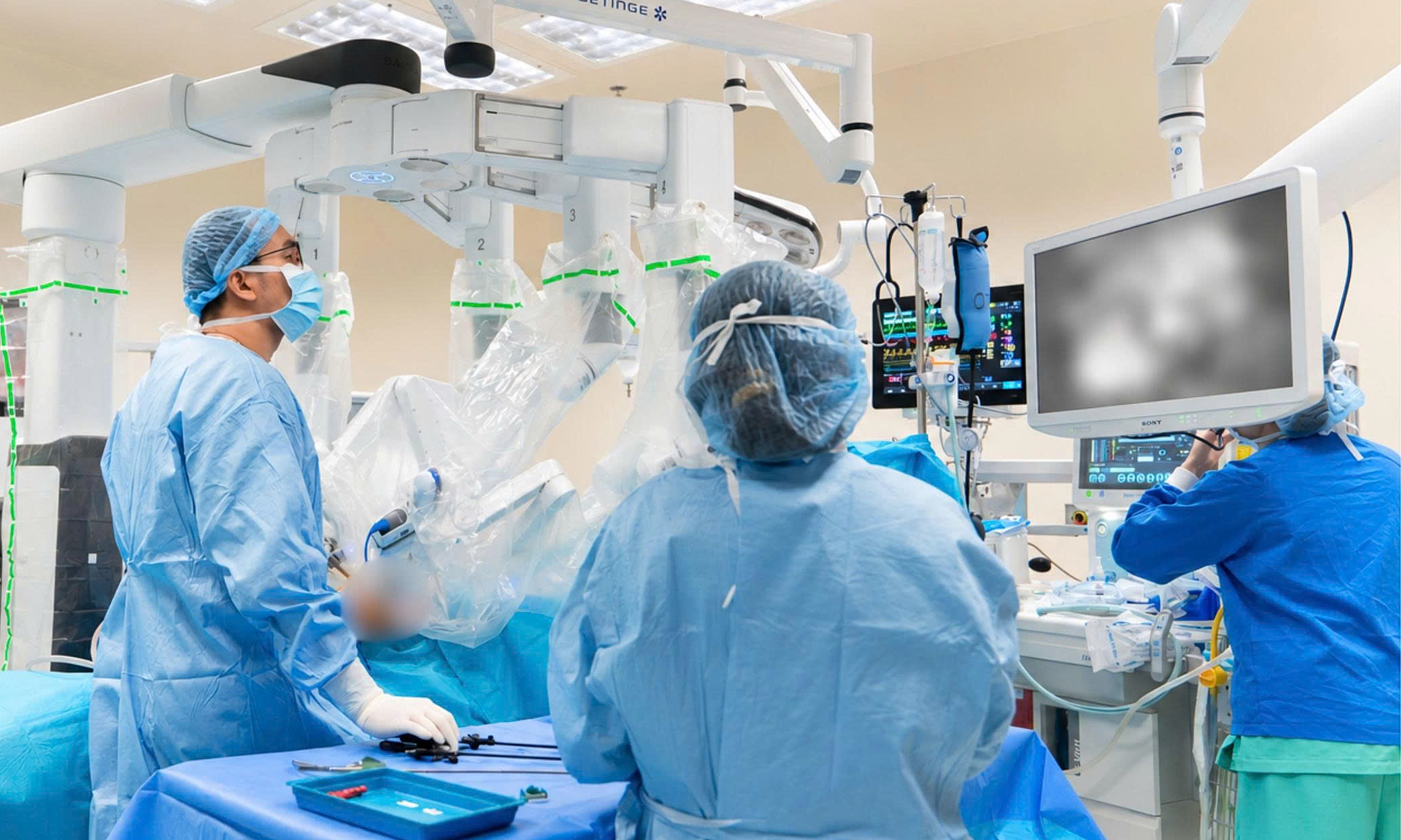
Speaking at the opening of the VIDEC 2026 International Dental Scientific Conference and Exhibition on 26/8, Do Xuan Tuyen noted that while technology offers many opportunities to enhance diagnostic and treatment quality, it is crucial not to pursue modern techniques indiscriminately. The dental sector currently utilizes artificial intelligence, digital dentistry, data analytics, 3D technology, and robotics to support precise diagnoses, effective treatments, and personalized care.
"Selected techniques must demonstrate effectiveness, be suitable for socio-economic conditions, and align with affordability," Tuyen stated.
Advanced technology should not be adopted at any cost, as expensive and difficult-to-implement techniques can limit patient access. Instead, there must be a balance between specialized techniques and broader community-based care, prevention, and treatment solutions, especially given the rising demand due to an aging population.
Currently, Vietnamese individuals aged 65 retain an average of 10-12 functional teeth, whereas Japan targets maintaining 20 teeth by age 80. A 2019 national oral health survey revealed a high prevalence of moderate to severe periodontitis among adults, yet only about 15% of the population undergoes regular dental examinations.
Consequently, dentistry needs to focus not only on advanced treatment techniques but also on enhancing early care and prevention, making services more accessible to the public, particularly in remote regions. Telemedicine offers potential to aid diagnosis and treatment, reduce referrals, and alleviate costs and burdens on higher-tier facilities. Establishing habits of good oral hygiene and regular dental check-ups from childhood can also diminish the need for complex, costly treatments in adulthood.
According to Tuyen, dental development must be integrated into the broader healthcare system, moving beyond a sole focus on hospitals and high-tech centers. Alongside expanding access, the sector requires continued investment in human resources and scientific research. Modern equipment is only effective when operated by a competent team capable of interpreting and analyzing results to inform appropriate treatment decisions.
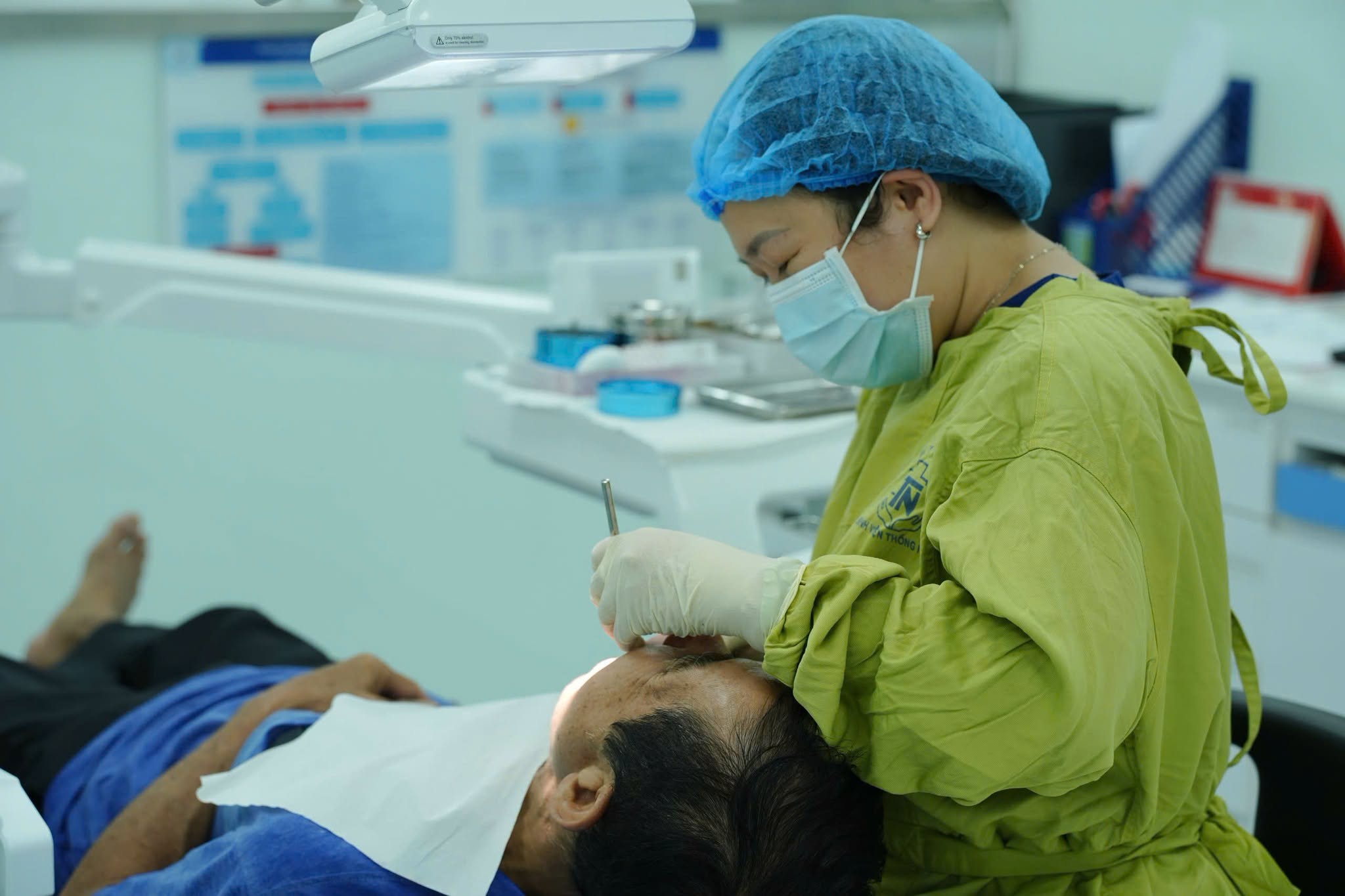 |
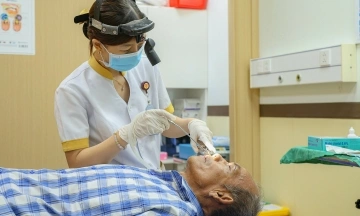
Doctors examine a patient at the High-Tech Odonto-Stomatology Center, a collaboration between Thong Nhat Hospital and the Central Hospital of Odonto-Stomatology, TP HCM, which prioritizes oral healthcare for the elderly. *Photo: Hospital provided*. |
Doctor Le Trung Chanh, Director of the Central Hospital of Odonto-Stomatology, TP HCM, and Head of the conference organizing committee, reported that Vietnam's dental sector currently has 22 specialized training institutions. He emphasized the need to prioritize community-wide oral care solutions alongside the development of advanced techniques.
This emphasis is particularly critical given the growing healthcare demands of the elderly. Older adults frequently manage multiple chronic conditions, take various medications, and experience changes in chewing function and oral hygiene. Therefore, oral care should be a continuous, long-term effort, not merely an intervention when issues emerge.
VIDEC 2026 is scheduled from 26 to 29/8 at the Independence Palace, TP HCM, under the theme "Smart and Sustainable Dentistry". This year, Vietnam also hosted the Asia-Pacific Dental Conference (APDC) for the first time in May. Associate Professor Doctor Tran Cao Binh, President of the Vietnam Odonto-Stomatology Association, assumed the role of President of the Asia-Pacific Dental Federation.
Le Phuong