Condoms reduce the risk of sexually transmitted infections (STIs) but do not offer 100% protection. While they cover the penis, they do not cover the entire genital skin area. If lesions are located on uncovered areas such as the base of the penis, scrotum, pubic area, or labia majora, there is still a risk of exposure and transmission.
Some STIs are transmitted through skin-to-skin contact, not solely through semen or other bodily fluids. For instance, genital warts can still spread if lesions are in uncovered areas. Genital herpes can be transmitted from skin with lesions or even during the viral shedding phase. Similarly, if syphilis sores are outside the covered area, there is still a risk of contracting the infection.
It is also advisable to use condoms or dental dams during oral sex, especially with partners whose health status is unknown.
The most effective way for both sexes to prevent STIs is to practice monogamy and avoid high-risk partners, such as those with multiple partners or sex workers. Crucially, if any abnormal symptoms appear in the genital area, individuals should seek prompt medical attention for timely diagnosis and treatment.
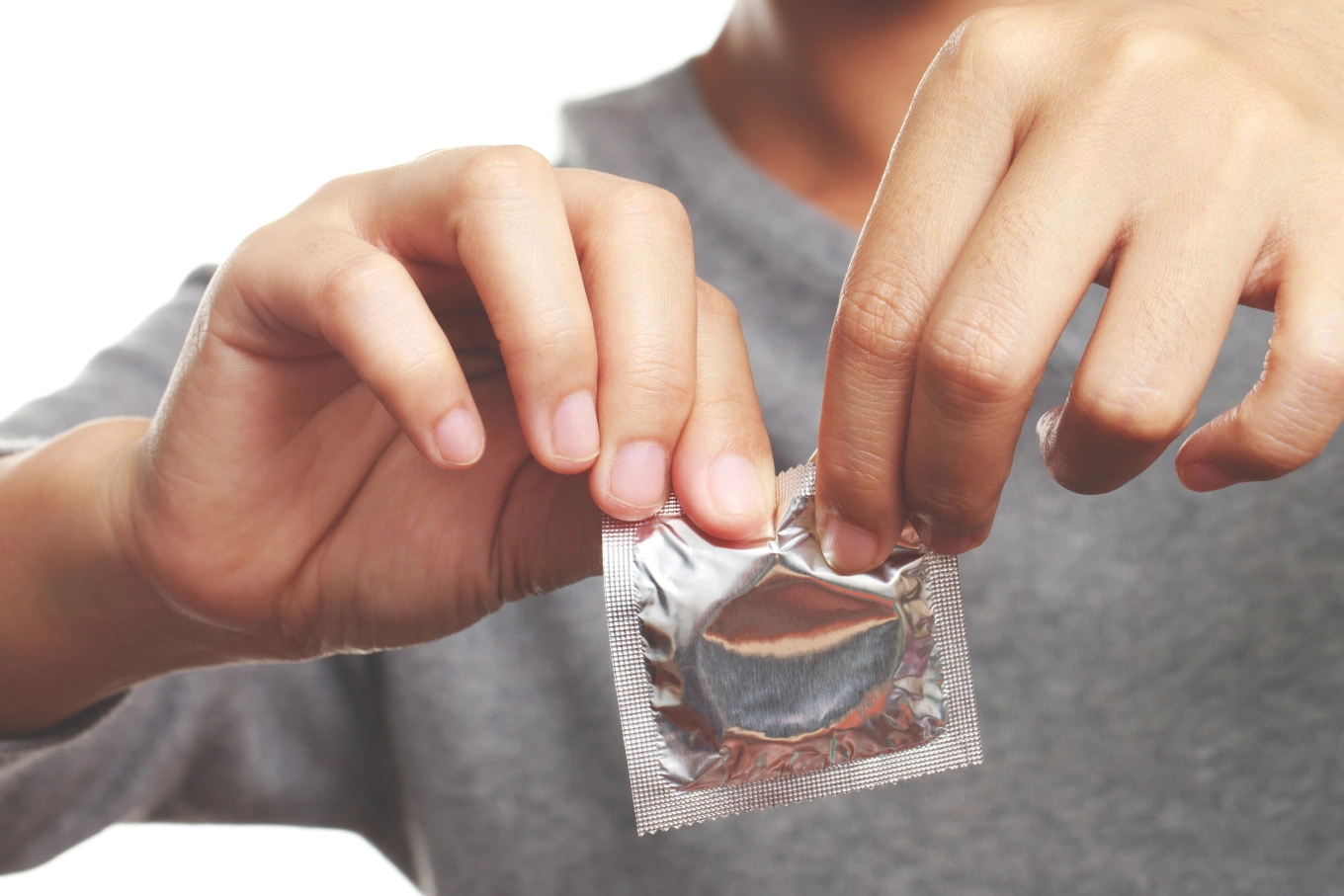 |
Illustration photo: Vecteezy.
Master, Doctor Pham Quang Khai
Department of Urology and Andrology Surgery, E Hospital