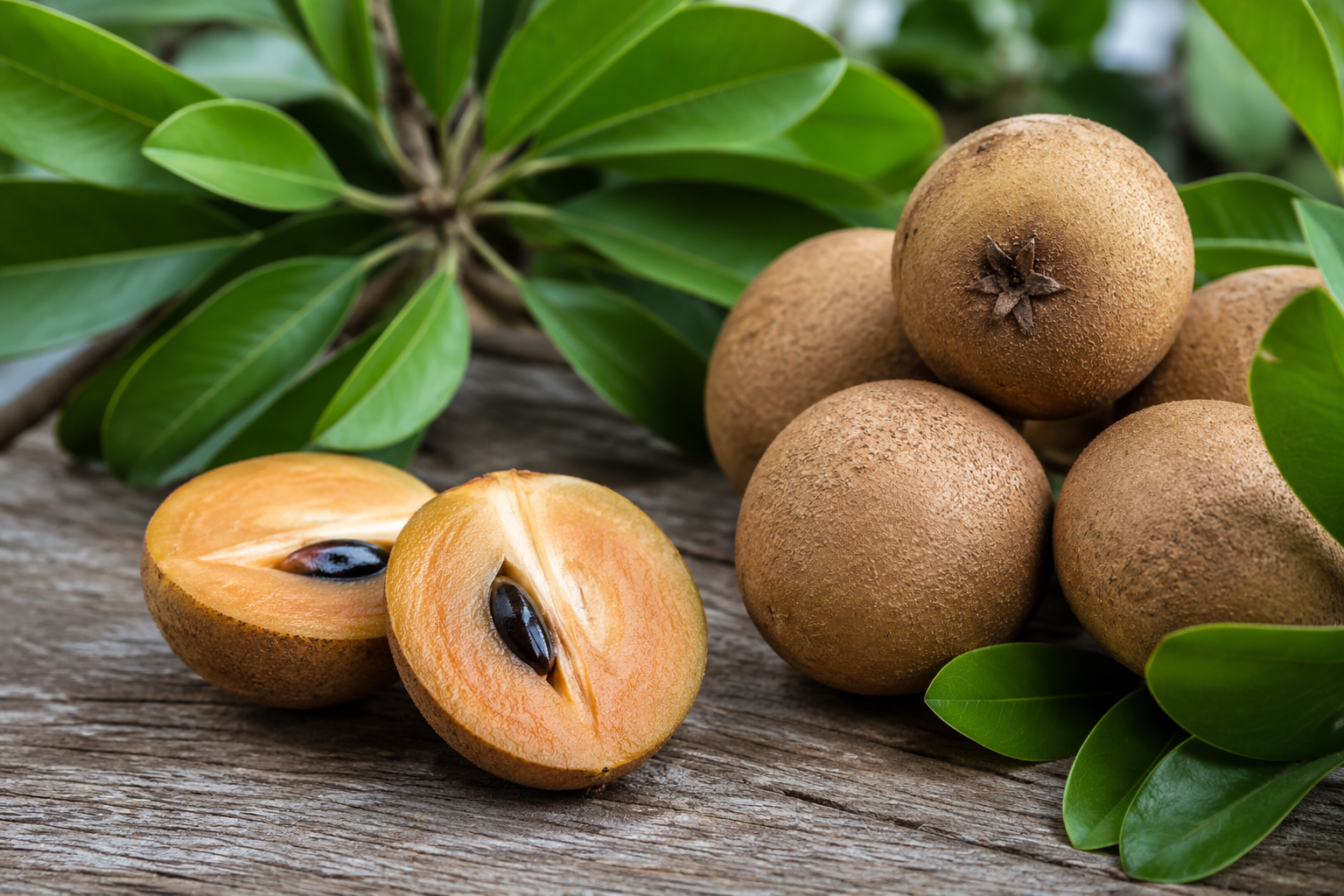
Artichokes are packed with beneficial vitamins, minerals, and plant compounds. One large artichoke contains approximately 76 calories, 17 g of carbohydrates, and no cholesterol or fat. Incorporating this vegetable into your diet can support digestion, increase beneficial gut bacteria, stabilize blood sugar, and improve sleep quality.
Promoting satiety
According to Very Well Health, one large artichoke provides 9 g of fiber, primarily inulin, a rich type of prebiotic. Soluble fiber helps increase feelings of fullness, reducing nighttime awakenings due to hunger. Beneficial bacteria in the gut utilize the prebiotics found in artichokes to maintain regular digestive function and prevent constipation.
Artichokes also boast a high protein content, with about 5 g of protein in one plant. Beyond promoting satiety, protein aids the body in repairing tissues and muscles. This makes them a good protein source for individuals following vegetarian or vegan diets.
 |
Artichokes are rich in beneficial nutrients. *Illustration: AI*
Inducing drowsiness
Artichokes are rich in magnesium, which promotes more restful sleep. Magnesium helps relax and calm the nervous system and regulates sleep hormones. One large artichoke contains about 100 mg of magnesium. Additionally, artichokes contain abundant folate, which can reduce oxidative stress and inhibit plaque formation – a factor linked to a higher risk of Alzheimer's disease.
Enhancing cardiovascular health
The compound cynarin in artichokes can positively affect cholesterol levels and lower blood pressure in individuals with hypertension – a crucial factor for sleep. This plant protein also contains potassium, which can reduce blood pressure.
Reducing liver burden
Artichokes contain cynarin, a compound that encourages the liver to produce more bile, helping to eliminate harmful toxins. According to Cleveland Clinic, antioxidants in artichokes can protect liver cells from stress and reduce inflammation, stabilizing liver enzymes.
Supporting blood sugar control
High blood sugar levels can cause individuals to wake up multiple times to urinate and drink water, impacting sleep quality. Furthermore, elevated blood sugar stimulates the release of cortisol, the stress hormone, which keeps the brain alert, making it difficult to fall into deep sleep and leading to restlessness.
The fiber in artichokes can help regulate blood sugar by slowing down the digestion and absorption of carbohydrates. Antioxidants in artichokes can improve insulin sensitivity, helping the body's cells use sugar more effectively.
According to Eating Well, some individuals should avoid eating artichokes, such as those with irritable bowel syndrome, because artichokes have a high FODMAP content, which can cause digestive issues. The inulin fiber is difficult for individuals with irritable bowel syndrome (IBS) to break down in the small intestine, potentially leading to bloating, diarrhea, constipation, and abdominal distension.
Artichokes have a firm texture and a slightly bitter taste when raw but become softer after cooking. This vegetable can be prepared in various ways, including grilling, steaming, boiling, or pan-frying.
Anh Chi (General)