 |
For individuals aiming for weight loss and muscle gain, protein is a dietary priority. Protein plays a crucial role in repairing and regenerating muscle tissues damaged after intense exercise, leading to thicker and stronger muscle fibers. Healthy protein sources from nuts, fish, eggs, and poultry help preserve muscle mass, preventing muscle depletion when the body is energy deficient.
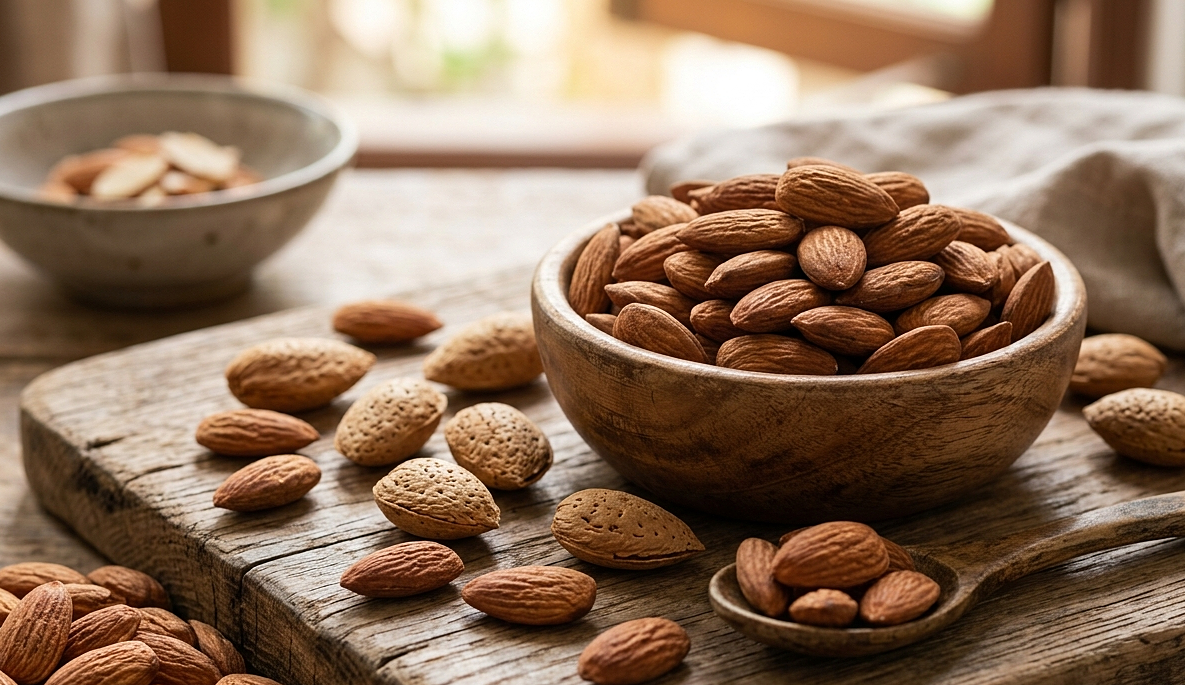
Almonds
Almonds provide a substantial amount of protein, along with heart-healthy fats and vitamin E. A serving of almonds (28 g) contains approximately 6 g of protein. Snacking on a handful of these nuts daily or adding them to baked goods and salads helps promote satiety and can contribute to burning visceral fat.
 |
Pumpkin seeds
28 g of pumpkin seeds provide about 8 g of protein, making them a rich plant-based protein source. These seeds are also high in magnesium and tryptophan, which can help relax nerves and facilitate deeper sleep if consumed close to bedtime. Notably, approximately 75% of human growth hormone (HGH) is secreted during deep sleep, promoting protein synthesis and muscle recovery.
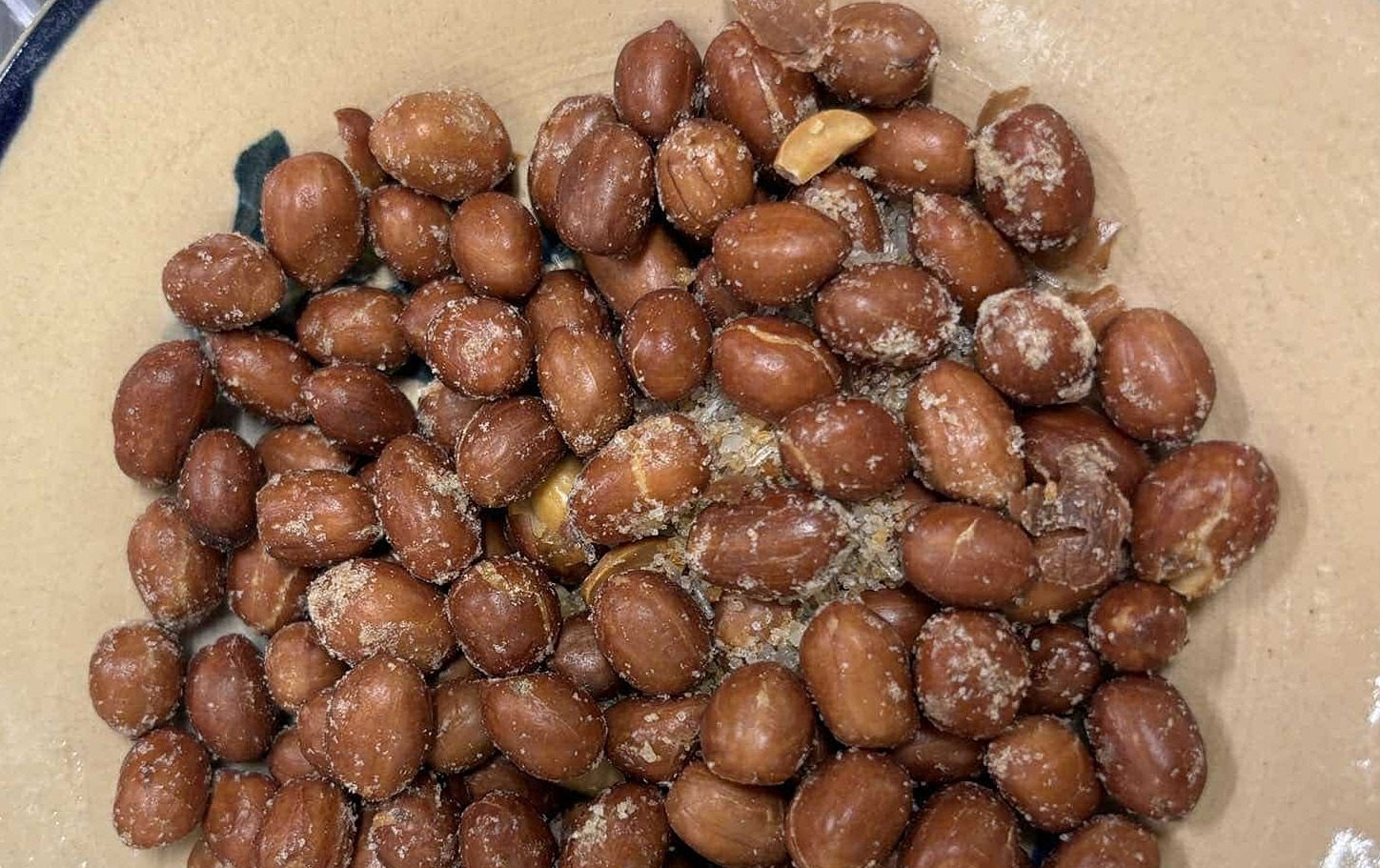 |
Peanuts
According to Very Well Health, 28 g of peanuts contain 7 g of protein. This protein content helps increase satiety and optimize cholesterol, triglyceride, and blood pressure levels. Peanuts also contain essential micronutrients like magnesium, which contributes to muscle recovery and development. However, peanuts are calorie-dense, so individuals aiming for weight loss should prioritize boiled or plain roasted peanuts to avoid excess calories.
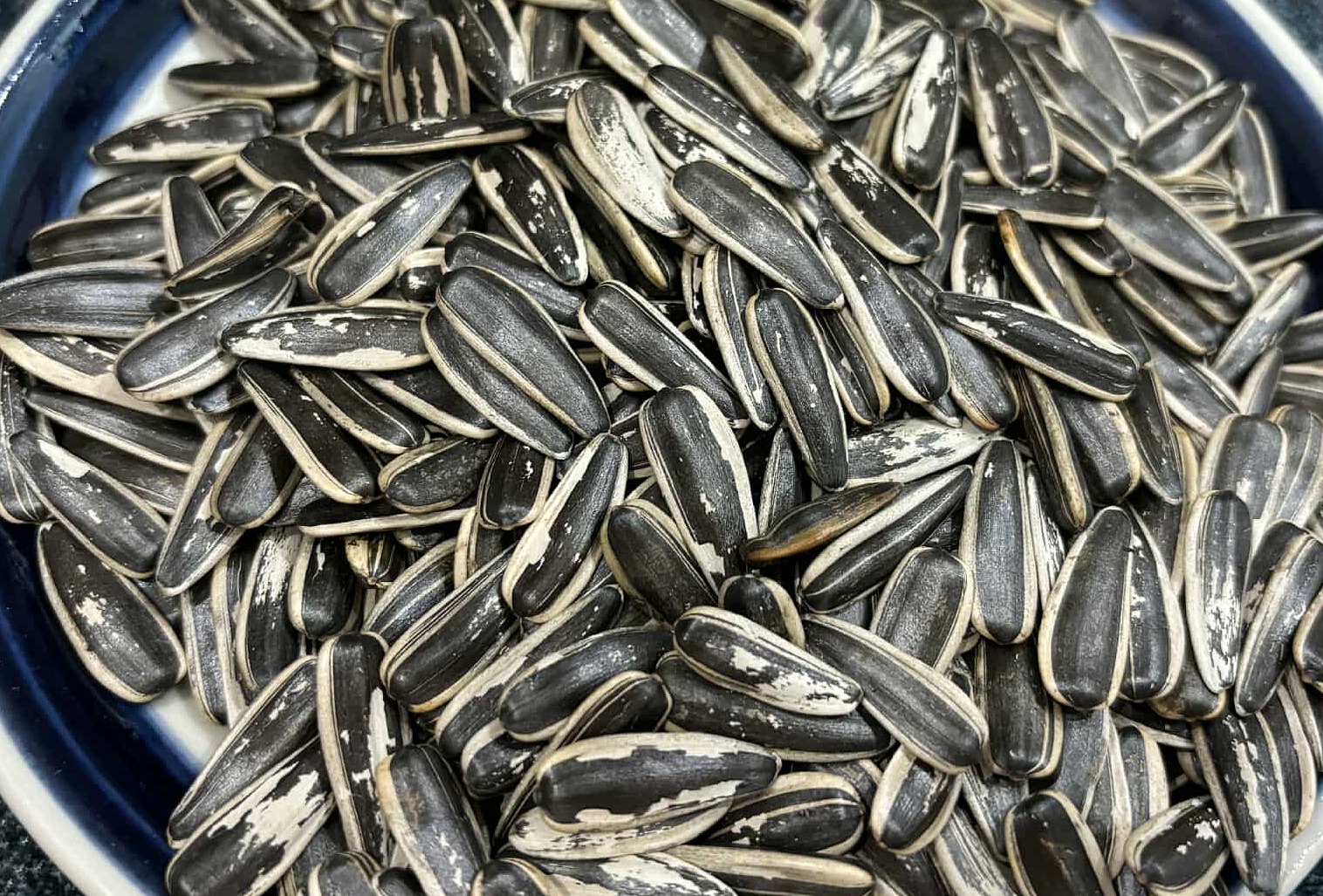 |
Sunflower seeds
28 g of sunflower seeds provide approximately 6 g of protein and are a rich source of essential vitamins and minerals for the body. These seeds can be enjoyed as a snack or added to salads, smoothies, and baked goods. The abundant protein helps repair and develop muscle tissues after exercise. Additionally, sunflower seeds are rich in monounsaturated and polyunsaturated fats, which help reduce inflammation, thereby enhancing muscle recovery, according to Eating Well.
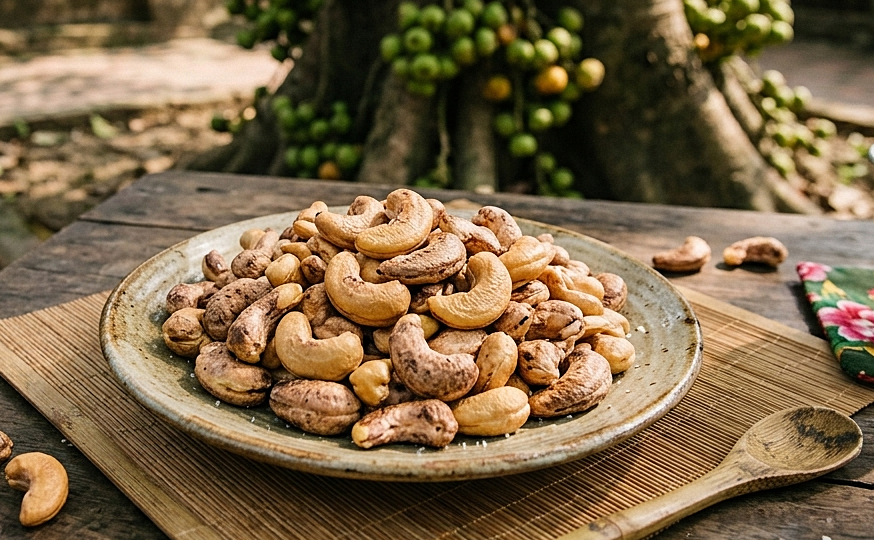 |
Cashews
A serving of approximately 28 g of cashews contains 5 g of protein. These nuts have high levels of antioxidants, beneficial fiber, and healthy fats, which help protect the body and cells from harmful substances. Individuals aiming for weight loss should incorporate cashews into snacks (2-3 hours between main meals) to quickly replenish energy and support muscle recovery. Cashews are high in fat and calories; consuming too many can lead to excess calories and fat accumulation.
Anh Chi (Compiled)
Photo: Anh Chi, AI, Ngoc Ha.