Jackfruit seeds offer significant nutritional value. One hundred grams of dried jackfruit seeds contain 70% starch, 5,2g of protein, and 0,62g of fat. Traditionally, people have enjoyed these seeds boiled, steamed with rice, or roasted, finding them both flavorful and nourishing.
Rich in fiber, jackfruit seeds help prevent constipation and aid detoxification by promoting bowel movements and supporting smooth digestion. The seeds also contribute to a feeling of fullness, reducing cravings, making them an ideal food for individuals seeking weight loss.
Consuming jackfruit seeds one to two times each week provides a natural iron boost. Their vitamin A content helps maintain and improve vision, protecting eyes from harmful agents and preventing night blindness.
Jackfruit seeds are a source of plant protein and contain no cholesterol. This healthy protein contributes to building lean muscle, offering more health benefits than animal protein. Abundant iron and trace minerals also support sexual health and fertility in both sexes. For a natural beauty tip, you can soak jackfruit seeds in cold milk, then grind them into a paste and apply it to facial wrinkles. This method helps smooth skin and visibly reduces lines.
Regarding the jackfruit fruit itself, it contains high sugar levels. Upon consumption, this sugar quickly enters the bloodstream and metabolizes, potentially leading to a sensation of internal heat. This effect can be more pronounced during hot summer weather, as sweet foods can further elevate blood sugar. It is advisable to eat jackfruit one to two hours after a main meal, avoiding consumption when overly hungry or full. Eating it in the evening is not recommended, as it can cause bloating and digestive discomfort. Individuals with blood sugar disorders, diabetes, fatty liver, or those who are overweight or obese should limit their jackfruit intake.
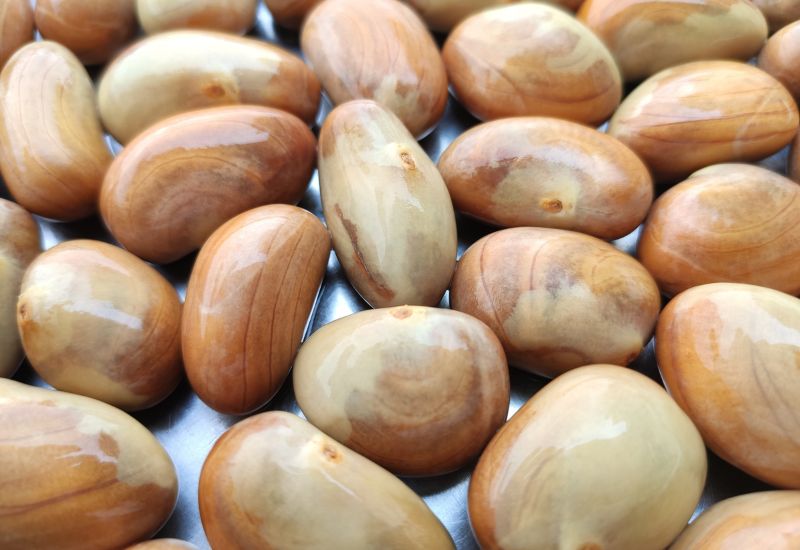 |
Illustrative photo: Health. |
Bui Dac Sang
Vietnam Academy of Science and Technology, Hanoi Oriental Medicine Association