On 19/6, ThS.BS Luong Chan Quang, Head of the Department of Disease Control and Prevention at Pasteur Institute TP HCM, reported a significant increase in rabies deaths in southern Vietnam in recent years. Before 2017, annual rabies fatalities were typically below 10. From 2018 to around 2022-2023, this figure rose to approximately 20 deaths annually. This year alone, nearly 20 deaths have already been recorded in the first 6 months, exceeding half of last year's total.
Concurrently, the number of rabies outbreaks in animals continues to increase, indicating the rabies virus is circulating widely among dog and cat populations in the South. This means a higher risk of human transmission after animal bites or scratches. According to Pasteur Institute TP HCM, all recent rabies fatalities involved individuals who did not receive post-exposure vaccination.
A significant barrier to prevention is the continued belief in folk remedies like "taking venom" after a dog bite. According to Doctor Quang, many people consult traditional healers, believing this method is less painful and costly than vaccination. However, there is no scientific evidence that "taking venom" can prevent rabies. Once the virus enters the nervous system and the disease develops, nearly 100% of cases are fatal.
"Many people bitten by dogs who sought 'taking venom' did not contract the disease, leading them to mistakenly believe this method is effective; however, in reality, those animals were not carrying the rabies virus," Doctor Quang stated.
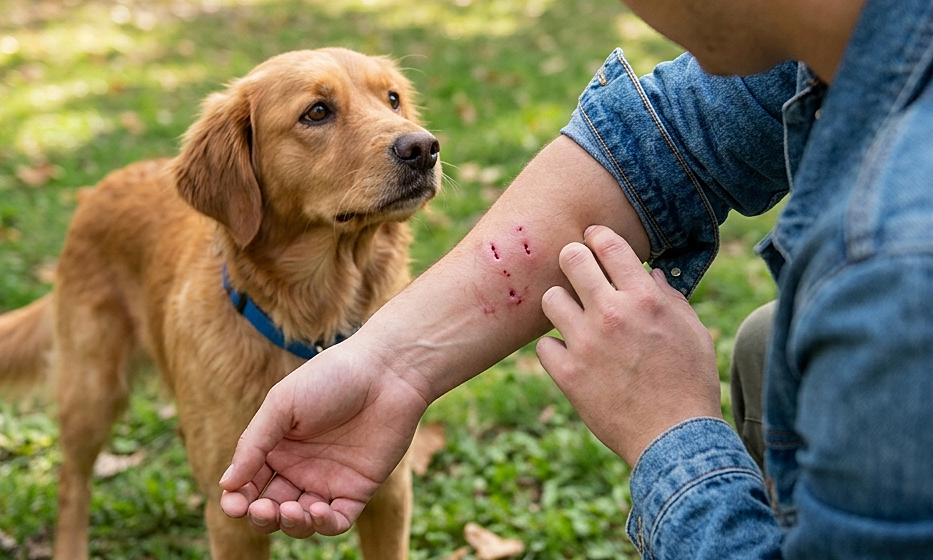 |
Individuals bitten by dogs require rabies vaccination; once symptoms appear, the disease is 100% fatal. Photo created by AI. |
To reduce fatalities, experts emphasize controlling the disease in both animals and humans. The veterinary sector needs to increase vaccination rates among dog and cat populations, while the public must consider post-exposure vaccination mandatory after being bitten by a suspected rabid animal.
Beyond rabies, Pasteur Institute TP HCM also warns that the South continues to face the risk of "overlapping epidemics" with hand, foot, and mouth disease and dengue fever during the rainy season. Hand, foot, and mouth disease has emerged early, with a high positive test rate, and the EV71 strain – associated with severe cases – remains prevalent.
PGS.TS.BS Pham Duy Quang, Head of the General Planning Department at Pasteur Institute TP HCM, stated that vaccination remains the most effective measure to prevent dangerous infectious diseases. Rabies vaccination, in particular, plays a crucial role in reducing the risk of death after exposure.
Le Phuong