Liver resection is a common treatment for liver cancer and other benign liver tumors. The surgical approach, either open surgery or laparoscopy, is determined by the patient's specific condition.
Depending on the tumor size and other accompanying conditions, patients may undergo removal of a small portion or up to half of their liver. The remarkable regenerative capacity of the remaining healthy liver allows it to increase in size and volume, compensating for the lost tissue and maintaining essential bodily functions.
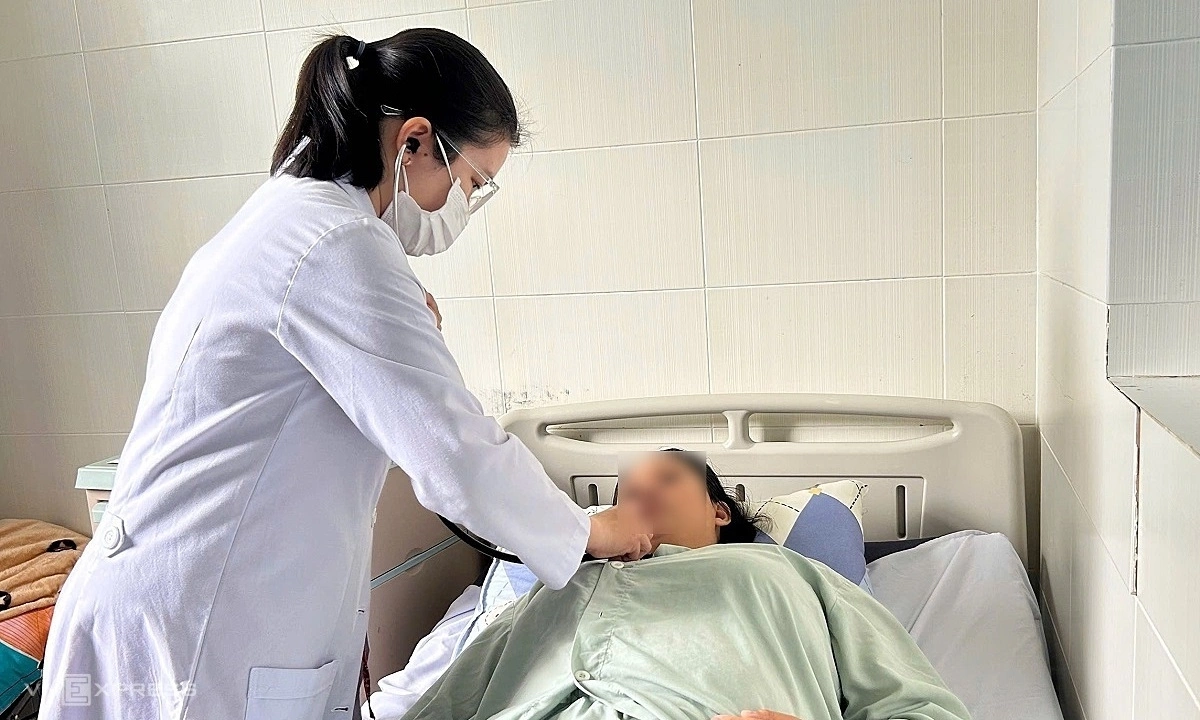
Dr. Doan Manh Tien Vu, from the Liver Tumor Unit, Department of Surgical Oncology at Tam Anh General Hospital TP HCM, emphasizes that alongside medication and wound care, nutrition is crucial for patients recovering from liver resection. Proper dietary management supports recovery and aids in the liver's regeneration process.
Patients should consume a balanced diet rich in protein sources like meat, fish, and eggs, along with essential minerals, vitamins, and fiber from vegetables, tubers, and fruits. Carbohydrates such as rice and vermicelli are also important. This balanced intake provides adequate energy and protein, helping to prevent malnutrition and muscle loss. It is not advisable to restrict foods like beef, chicken, eggs, seafood, or completely eliminate fats solely due to recent liver resection.
 |
Shrimp, rich in protein, helps boost immunity. Photo: Bui Thuy |
Food intake should be moderate and gradually increased as the body tolerates it. If patients experience nausea, bloating, or feel full quickly, they can opt for smaller, more frequent meals. Prioritizing easily digestible foods helps reduce strain on the liver. Adequate hydration, particularly with plain water, is also essential for stable digestion.
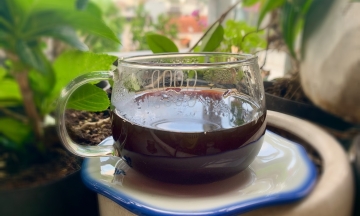
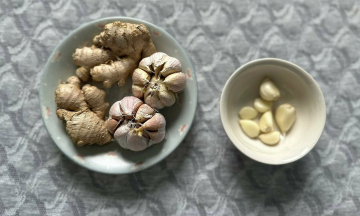
Patients with cirrhosis and ascites should limit salt and other seasonings such as: fish sauce, MSG, and pepper. Following liver resection, it is crucial to avoid alcohol. Additionally, patients should not self-administer traditional Vietnamese or Chinese herbal medicines, or any "liver tonic" or "liver detox" products with undisclosed ingredients.
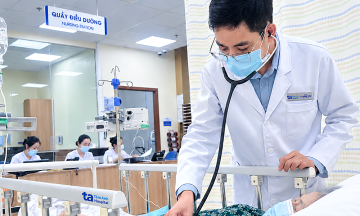
Dr. Vu notes that during the initial post-operative phase, patients may experience pain, weakness, and abdominal discomfort. However, these symptoms typically subside within two weeks. For the following 4-8 weeks, patients require ample rest and a diet of soft, nutritious foods to optimize their recovery. Incorporating light daily walks indoors, with gradually increasing intensity as tolerated, is also beneficial.
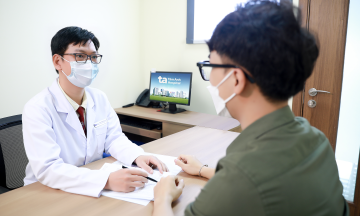
After liver resection, patients must monitor their body for any unusual signs and attend scheduled follow-up appointments. Should any abnormal symptoms arise, such as increased pain or fluid discharge, immediate medical re-evaluation is advised for timely intervention.
Khai Minh
| Readers can ask questions about cancer here for doctors to answer. |