Dr. CKI Pham Quoc Trung, from the Department of Hepatobiliary and Pancreatic Surgery at the Endoscopy and Laparoscopic Digestive Surgery Center, Tam Anh General Hospital Ho Chi Minh City, advises that patients require appropriate care following gallstone surgery to accelerate recovery and improve health. The doctor recommends patients note the following:
Adhere to prescribed treatment
Patients must take medication and care for their surgical wound as directed by their doctor. Do not arbitrarily stop medication, change dosages, or apply folk remedies without prior medical consultation. The wound should be kept clean and dry, with dressings changed according to instructions from medical staff.
If pain increases or unusual signs appear at the surgical site, patients should inform their doctor for assessment and treatment adjustment if necessary.
 |
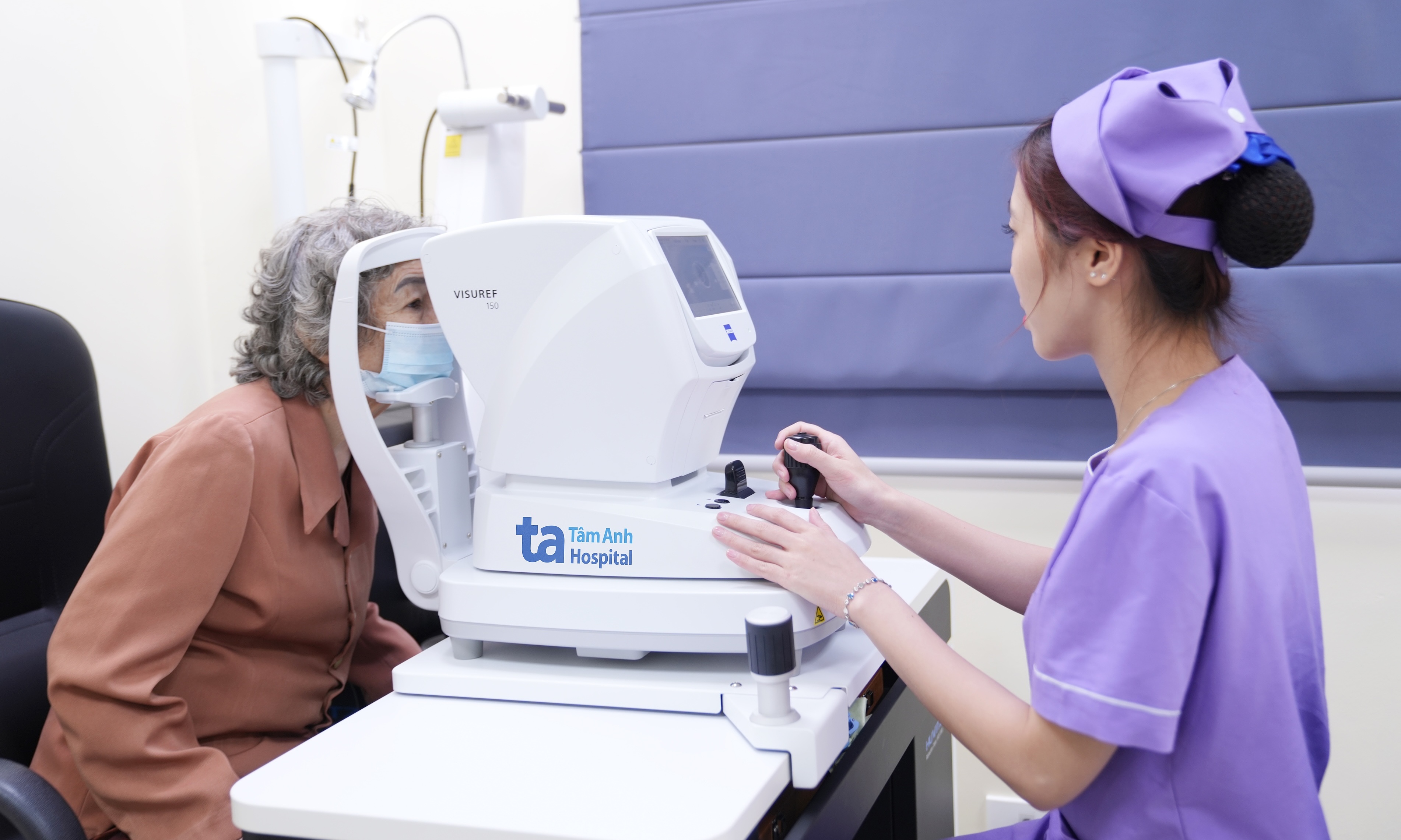
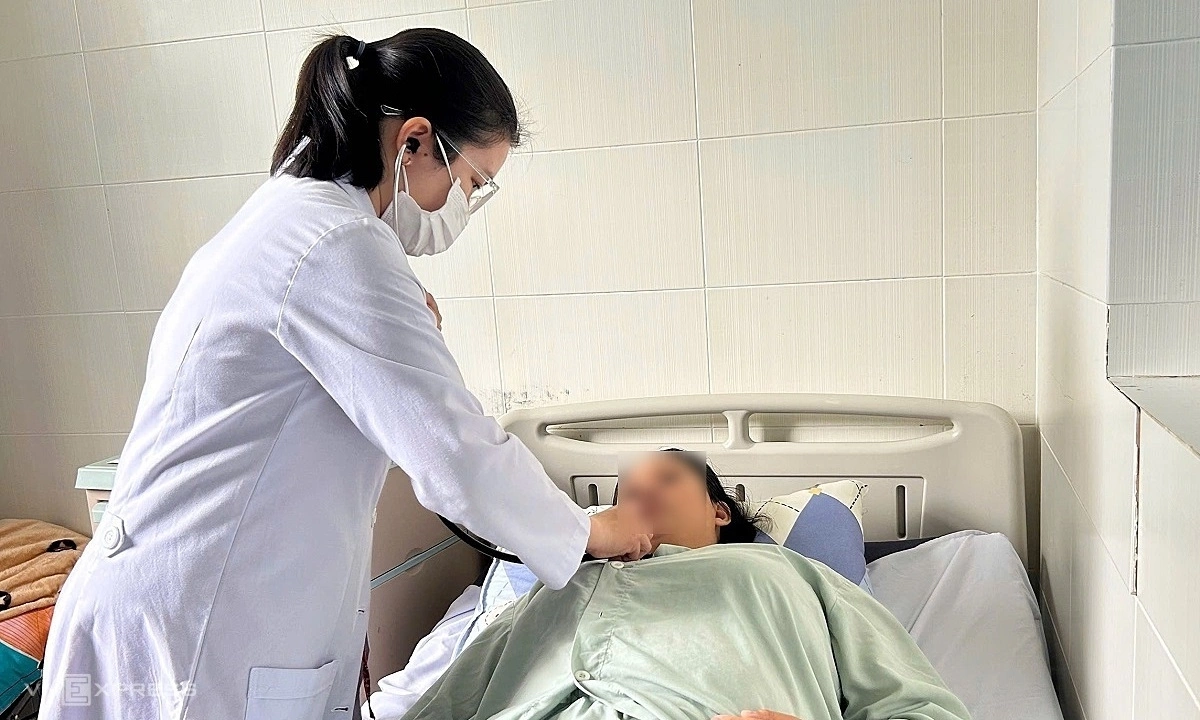
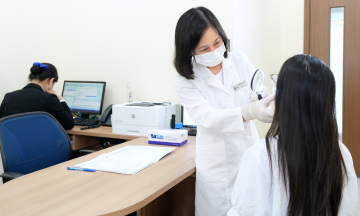
Dr. Trung consults a patient. Photo: Tam Anh General Hospital
Maintain a balanced diet
In the initial days following surgery, patients should prioritize soft, easily digestible foods, divided into many small meals if they experience bloating or indigestion. Patients need to limit high-fat foods, fried dishes, processed meats, and spicy foods.
As the digestive system gradually adapts, patients can slowly return to a diverse diet. It is advisable to incorporate green vegetables, fruits, and fiber-rich foods, depending on the digestive system's tolerance, to reduce strain. Patients should drink water consistently throughout the day, taking small sips to stabilize digestion and support the recovery process.
Engage in early, gradually increasing activity
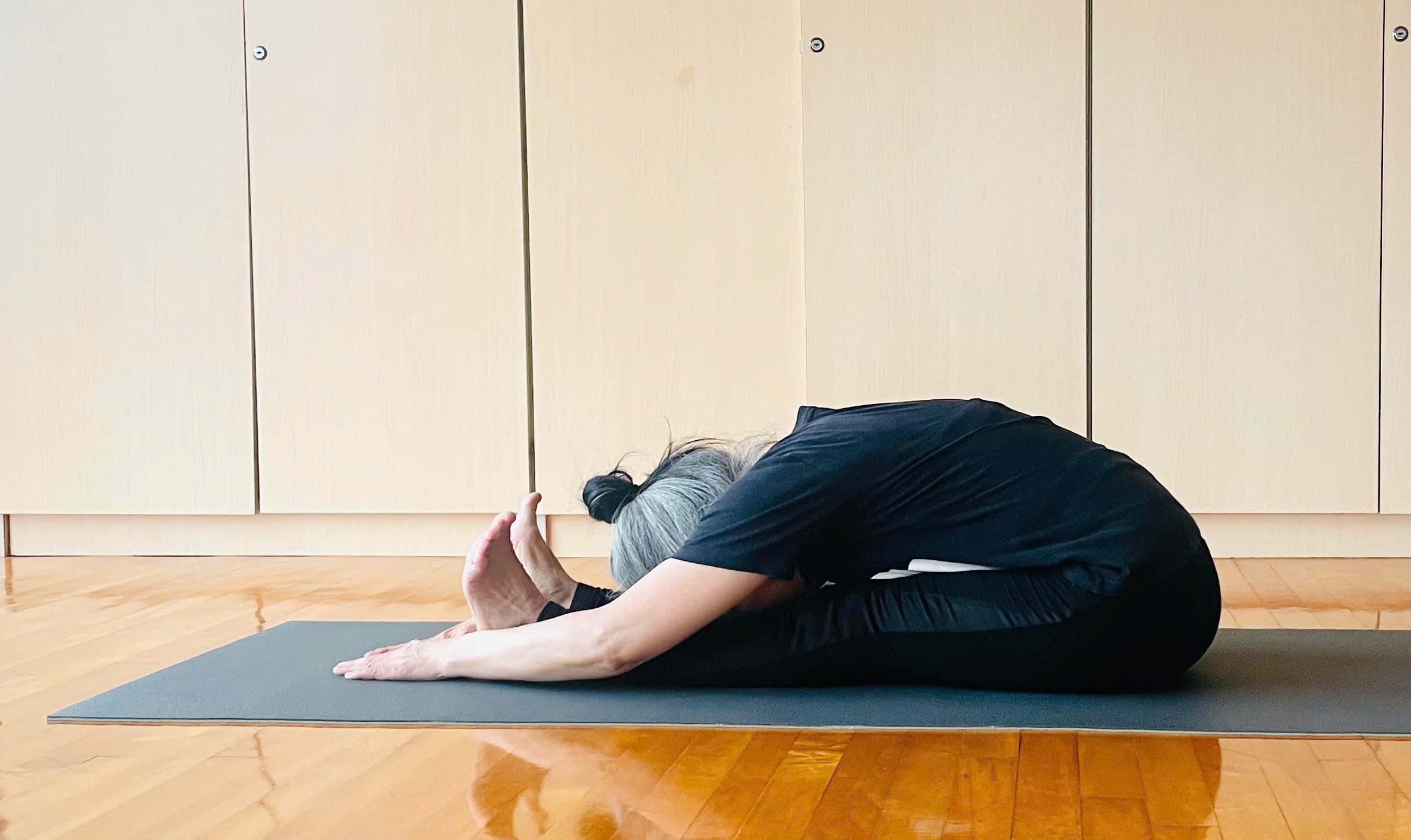
Early physical activity helps maintain bowel motility and reduces the risk of blood clot formation after surgery. Patients should gradually increase their activity level, avoiding heavy and strenuous exercise. Depending on the surgical method and individual recovery, doctors will guide when to begin physical activities. Avoid heavy lifting or exercises that involve abdominal flexing, which can increase abdominal pressure, for one month after surgery to allow the wound to heal properly.
Avoid heavy lifting
During the initial period after surgery, patients should avoid lifting heavy objects and strenuous activities to minimize pressure on the surgical area, aiding the recovery of both the wound and internal tissues.
Dr. Trung advises that patients attend scheduled follow-up appointments to assess the recovery process, check the wound, and detect any abnormalities early. If fever, progressively worsening or prolonged abdominal pain, a swollen, red, or discharging wound, excessive vomiting, abdominal distension, jaundice, or yellow eyes occur, patients should seek medical attention promptly for examination and timely treatment, rather than attempting self-treatment at home.
After gallbladder removal, gallstones no longer form in the gallbladder; however, stones can still appear in the bile ducts in some cases. Therefore, patients need to maintain a balanced diet, control weight, exercise regularly, and effectively manage underlying medical conditions to protect long-term hepatobiliary health.
Thao Nhi
| Readers can ask questions about digestive diseases here for doctors to answer |