Dr. Huynh Tan Vu, from University Medical Center Ho Chi Minh City - Campus 3, explains that intoxication occurs when the body consumes more alcohol than it can process. Each person's tolerance level varies: some experience effects after just one drink, while others can consume liters.
10 effective herbal hangover remedies
To quickly alleviate discomfort, Traditional Medicine suggests several simple methods:
Fresh fruit: Eating mandarins or drinking mandarin or watermelon juice helps cool the body and detoxify alcohol quickly.
Arrowroot leaves: Crush 100-200 g of fresh arrowroot leaves and extract the juice. Intoxication may subside after about 20 minutes.
Kudzu flowers: Crush 30-50 g of fresh flowers, add water, and extract the juice to drink.
Centella asiatica: Crush 100 g of fresh centella asiatica, mix with lemon juice and a pinch of salt.
Galangal root: Crush fresh roots, extract 100 ml of juice to drink at once.
White crane plant leaves: Crush 50 g of fresh leaves, mix with 200 ml of boiled water, and filter for the clear liquid.
Cogongrass roots: Crush 100 g of fresh roots, mix with boiled water and granulated sugar.
Fresh lemon: Squeeze for juice or slice thinly and eat the entire fruit.
Dried tangerine peel (tran bi): Lightly roast 30 g of dried tangerine peel, combine with two sour plums, and decoct into a drink. Add fresh ginger to enhance effectiveness.
Strong tea: Steep tea buds with kumquat or carrot, or green pumpkin peel to drink.
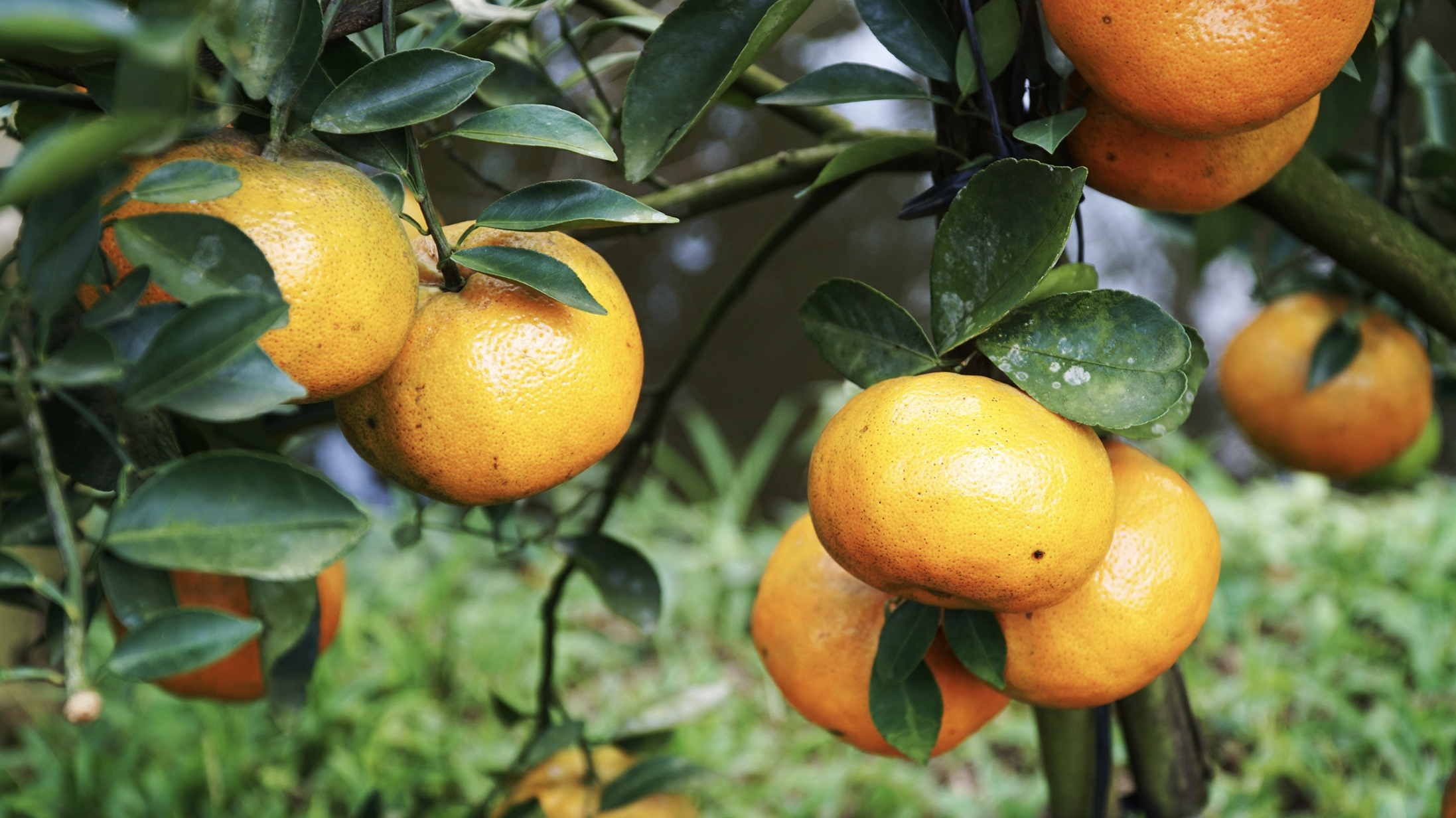 |
Eating mandarins or drinking mandarin/watermelon juice helps cool the body and detoxify alcohol quickly. Photo: Phong Vinh |
Golden rules after drinking alcohol
To recover quickly, the doctor advises people to do three things:
Rehydrate: Alcohol causes severe dehydration through urination. Drinking plenty of filtered water is the simplest way to reduce fatigue.
Eat adequately: It is advisable to eat a light meal before and after drinking to prevent low blood sugar and protect the stomach lining.
Get enough sleep: Resting in a quiet environment helps the body regenerate energy.
Danger warning
Patients require immediate medical attention if they show signs of: difficulty breathing, pale or bluish skin and mucous membranes, drowsiness, coma, seizures, or excessive vomiting.
Who is prone to intoxication?
The degree of intoxication depends on many factors. Groups prone to intoxication include: women, underweight individuals, those who are tired, first-time drinkers, or people with a low alcohol oxidation rate. Additionally, how one drinks also determines the speed of intoxication. Alcohol mixed with soft drinks or carbonated beverages leads to faster alcohol absorption. Strong spirits, poor-quality alcohol containing toxins, or drinking on an empty stomach are the quickest paths to poisoning.
Typical signs of intoxication
An intoxicated person often faces a range of symptoms:
Neurological: Headache, dizziness, reduced concentration, emotional sensitivity, mood swings, fatigue, drowsiness.
Physical: Muscle aches, flushed skin on the face and body, alcoholic breath, increased salivation.
Digestive: Abdominal pain, nausea, vomiting, digestive upset.
Cardiovascular: Rapid heart rate, sensitivity to noise and light.
Typically, these symptoms subside on their own. However, prolonged abuse can lead to toxicity in the body's vital energy and blood, directly harming the heart, liver, spleen, stomach, and kidneys.
Tips for safe drinking
To minimize risks, individuals should drink slowly to allow the liver to oxidize alcohol effectively. Absolutely do not drink alcohol while taking aspirin (risk of stomach bleeding) or combining it with caffeine (increased risk of poisoning and death).
During parties, consume plenty of green vegetables and protein-rich foods to slow down alcohol absorption into the bloodstream.
My Y