Health officials in West Bengal confirmed the death on 12/2, stating the nurse was one of two Nipah virus cases recorded in the state. She developed a fever in December last year and relied on a ventilator from early January. Her health deteriorated rapidly, leading to multi-organ failure and death.
An initial epidemiological investigation suggests the nurse likely contracted the Nipah virus from drinking fresh date palm sap while attending a wedding near the India-Bangladesh border. Fresh date palm sap is believed to contain secretions from fruit bats, which carry the Nipah pathogen.
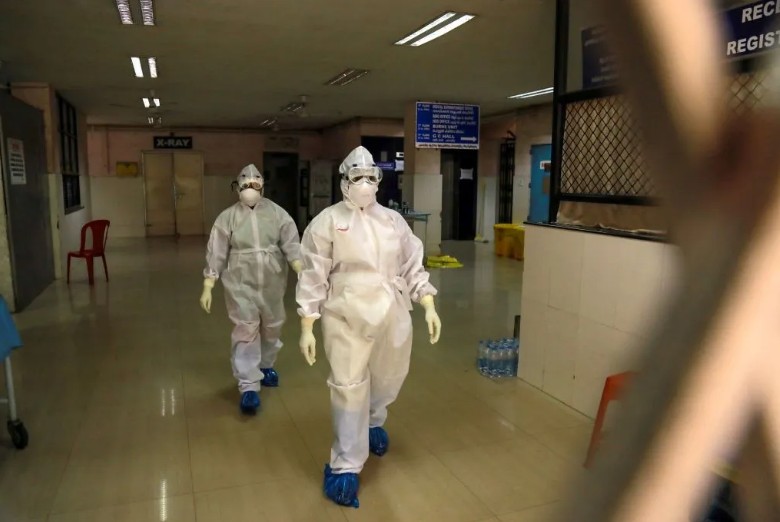 |
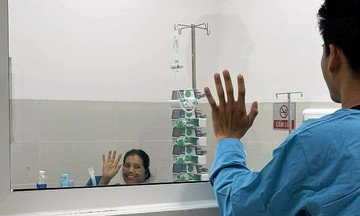
Healthcare workers at a Nipah virus isolation ward in Kerala state, southwest India, on 6/6/2019. Photo: AFP |
Healthcare workers at a Nipah virus isolation ward in Kerala state, southwest India, on 6/6/2019. Photo: AFP
This incident occurred just days after the World Health Organization (WHO) reported a Nipah virus death in Bangladesh. That patient, a woman in her 40s, died after one week of fever and convulsions. An epidemiological investigation revealed she also had a habit of drinking fresh date palm sap.
Nipah virus typically spreads to humans from infected bats or through fruit partially eaten by infected bats. This virus can cause high fever and encephalitis, with a high fatality rate ranging from 40% to 75%. West Bengal previously recorded Nipah outbreaks in 2001 and 2007. More recently, outbreaks have primarily occurred in Kerala state in Southern India, with the most severe being in 2018, which caused at least 17 deaths.
Following India's confirmation of new infections last month, several Asian countries, including Thailand, Singapore, and Pakistan, tightened airport screening procedures. However, the World Health Organization (WHO) assessed the risk of widespread transmission for this virus as low.
The WHO has classified Nipah virus as a top-tier dangerous pathogen due to its high fatality rate. The disease begins with flu-like symptoms, rapidly progressing to encephalitis and coma within 24-48 hours, leaving about 20% of survivors with permanent neurological sequelae. Currently, there is no vaccine or specific treatment; protocols primarily focus on supportive care. Experts advise people to avoid contact with bats and sick pigs, strictly avoid drinking untreated fresh sap, and thoroughly wash and peel fruits before consumption.
Binh Minh (According to Reuters)