Kidneys are vital detoxification organs but are particularly sensitive to foods with high sodium content. According to Doctor Hung Yung-hsiang, a nephrologist with over 20 years of experience at Tam Quan General Hospital, individuals who frequently eat out often unknowingly consume these harmful foods.
In a Facebook post on 12/4, Doctor Hung shared the story of a 58-year-old man suffering from stage three chronic kidney failure and high blood pressure. Despite believing he maintained a healthy diet, avoiding fried foods and soft drinks, his kidney function severely declined, and blood pressure surged within three months. Doctor Hung later identified the cause as his habit of consuming traditional dishes like beef noodle soup, vermicelli, and boiled vegetables, which, despite appearing harmless, contain significant amounts of salt.
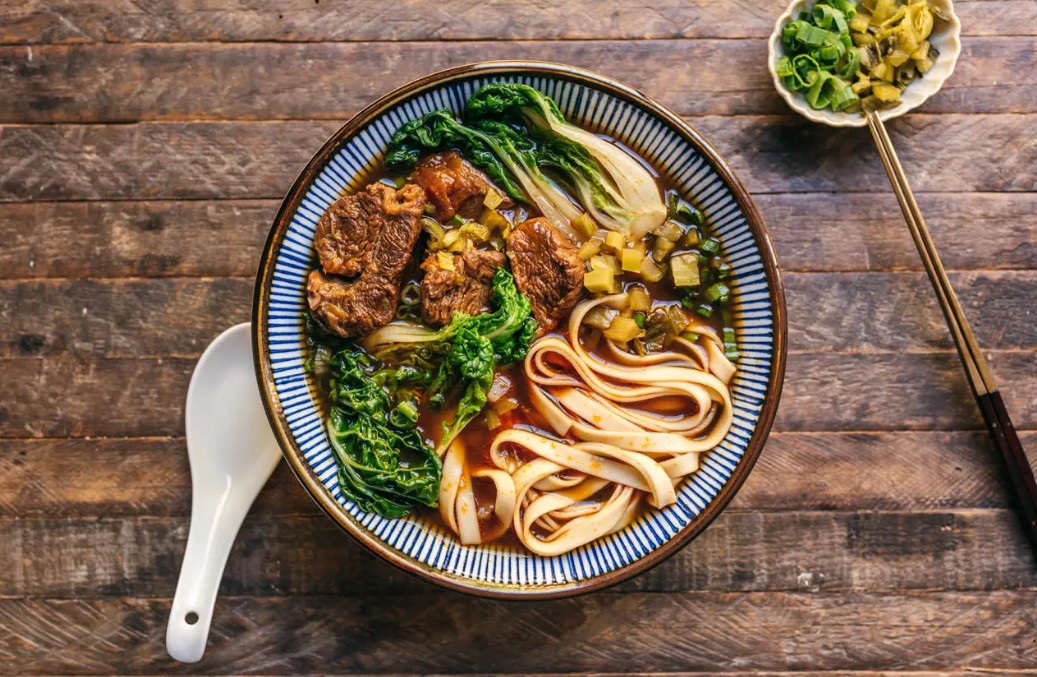 |
Beef noodle soup. *Illustrative photo: Flavournetwork*.
According to Doctor Hung, the greatest enemy of the kidneys is not fat, but sodium (salt). He explained that the takeout culture in Taiwan (China) acts as a "health trap" because dishes often contain high amounts of salt. He listed three common dishes for people to identify and avoid, as they appear healthy but are actually high in salt:
Beef noodle soup: A common mistake when eating beef noodle soup is consuming all the broth. To create its rich flavor, the braised beef noodle soup broth is heavily seasoned with soy sauce, salt, and fermented bean paste. An estimated one bowl of beef noodle soup can contain over 2,000 mg of sodium, which is the maximum recommended daily salt intake for an adult.
Vermicelli with offal: Despite its light appearance, this dish is actually high in sodium. The salt comes not only from the braised offal and accompanying sauces but also from the vermicelli noodles themselves, as salt is incorporated during production. One bowl of this vermicelli can contain up to 1,200 mg of sodium, accounting for more than half of the body's daily salt requirement.
Boiled vegetables: This is the most misleading dish regarding its perceived healthiness. While green vegetables are beneficial, the issue lies in the accompanying sauces. Common seasonings like soy sauce, oyster sauce, dark soy sauce, or garlic sauce all contain significant amounts of sodium. Just one plate of vegetables drizzled with a rich sauce can contain over 1,000 mg of sodium, equivalent to half of the daily recommended salt intake.
To protect kidney health while still enjoying cuisine, Doctor Hung suggests that people change their habits with simple adjustments instead of harsh restrictions. For instance, when eating beef noodle soup, prioritize clear broth over rich braised broth and absolutely avoid drinking all the soup. For vermicelli or thin noodles, proactively reduce the portion to half instead of eating the entire bowl. Especially with boiled vegetables, eliminate the habit of drizzling industrial sauces; instead, use garlic, pepper, or a little olive oil to create natural flavors.
The doctor states that protecting kidneys does not require an extreme disciplined regimen; the secret often lies in small daily changes, such as reducing a sip of broth, a little less sauce, or eating slightly less salty food, which is enough to keep kidneys healthy for a lifetime.
Binh Minh * (According to SETN)*.