Rove beetles, common during rainy or hot, humid seasons, cause skin lesions not through bites, but when crushed on the skin. This action releases pederin toxin, which leads to contact dermatitis. Doctor Le Thi Hong Hue, a pediatrician at the Pediatrics Unit, Tam Anh District 7 General Clinic, offers essential guidance for parents.
Lesions usually appear 12-36 hours after exposure, sometimes as early as 6-24 hours. The affected skin may become red and burning, with blisters or pustules forming streaks. Secondary infection is a concern if the area is swollen, hot, red, painful, discharges cloudy yellow fluid, or the child develops a fever. Scratching or touching inflamed skin and then other body parts can spread the toxin.
If a rove beetle is found on a child, parents should gently remove it. Blow the insect off or use paper or another object. Crucially, avoid using bare hands to catch, swat, or rub the beetle. Crushing it releases the pederin toxin, causing skin redness, burning, blisters, and increasing the risk of widespread lesions.
Upon suspected exposure, immediately wash the affected skin with clean water and soap. Thoroughly wash hands after handling to prevent the pederin toxin from spreading. After washing, gently pat the skin dry; avoid vigorous rubbing, which can spread the toxin to surrounding areas.
Parents should not apply toothpaste, chewed sticky rice, mung beans, or leaves to inflamed skin. Such remedies can increase irritation, prolong healing, and heighten the risk of secondary infections. Avoid self-medicating without a doctor's guidance. While awaiting examination, instruct children to keep the skin clean and dry, and to avoid scratching or breaking blisters.
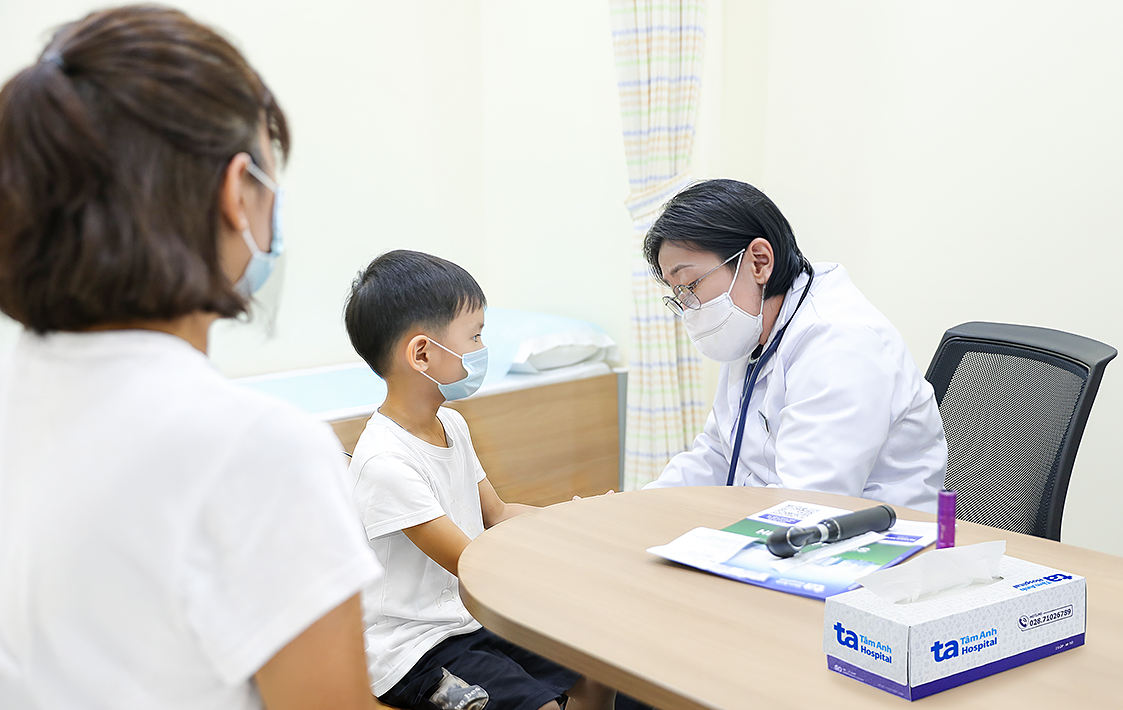 |
Doctor Hue examines a child patient at Tam Anh District 7 General Clinic. Illustration: Trung Vu |
Doctor Hue advises dressing children in loose, breathable, sweat-absorbing clothing after initial management to minimize skin irritation. Most cases of rove beetle dermatitis improve within one to three weeks with proper care. Post-healing, affected skin may show post-inflammatory hyperpigmentation, which typically fades over time, though some cases may persist.
Seek medical attention if the inflamed skin spreads, appears in multiple locations, or affects sensitive areas like the face, oral mucosa, genitals, and especially the eyes. If a child sustains an eye injury or accidentally transfers toxin to the eyes, causing redness, tearing, burning pain, or swollen eyelids, consult an ophthalmologist promptly. Children also need examination for significant swelling, increasing pain, pus discharge, fever, or other signs of infection.
To reduce exposure risk, families should implement daily preventive measures. Rove beetles, with their slender, black and orange-red bodies, are attracted to light at night. Limit opening doors in the evening, reduce unnecessary light sources, and install insect screens on windows and doors. Avoid allowing children to play under bright outdoor lights to lessen contact with these insects.
Minh Tam