A computed tomography (CT) scan of Tien's chest at Tam Anh General Hospital Hanoi revealed right pleural effusion, inflamed lung parenchyma, and multiple small lymph nodes in the mediastinum and supraclavicular region. He underwent pleural fluid aspiration.
Tien also had inflammatory ulcers in his posterior tracheal wall. A biopsy of the tracheal mucosa confirmed a respiratory aspergillus infection, a type of fungus that causes disease in individuals with immune disorders or chronic underlying conditions.
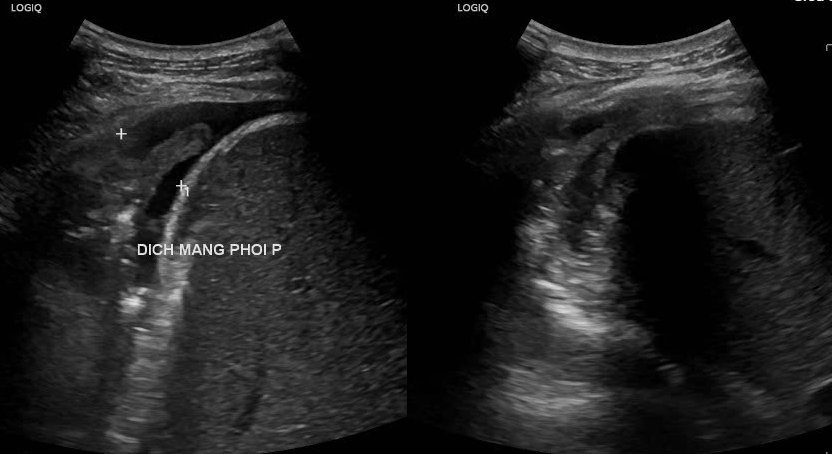 |
Ultrasound showed fluid in the patient's pleura. *Photo by Tam Anh General Hospital*
Doctor Pham Thi Le Quyen, Deputy Head of the Respiratory Department, noted that beyond respiratory symptoms, the patient experienced thigh muscle weakness, pain in small hand joints, and unexplained weight loss. Magnetic resonance imaging (MRI) results showed muscle atrophy and damage, leading doctors to suspect thigh myositis. A biopsy of the left thigh muscle confirmed muscle fiber degeneration with perivascular inflammatory cell infiltration. Immune tests were positive for multiple autoantibodies (antibodies produced by the immune system that mistakenly attack the body's own tissues or organs), suggesting an autoimmune myositis condition.
Doctor Quyen explained that autoimmune myositis is a factor impacting the patient's lungs, causing immunosuppression and creating an opportunity for Aspergillus to invade. The condition can also damage joints, skin, and various other organs throughout the body.
In its early stages, autoimmune myositis may manifest only as a persistent cough, joint pain, muscle weakness, or weight loss. These non-specific symptoms are easily confused with respiratory illnesses or infections.
After nearly two weeks of treatment involving antibiotics, antifungals, corticosteroids, and pleural lavage, Tien's condition improved, and he was discharged from the hospital.