Colorectal cancer is a common cancer with a high mortality rate. After food digestion, waste enters the large intestine to form stool. Prolonged constipation or irregular bowel movements can cause waste to remain in the intestines, continuously irritating the intestinal lining. This irritation increases the risk of pathological changes in cells, which can lead to colorectal cancer.
Maintaining a healthy intestinal system and ensuring smooth digestive function are crucial for prevention. Be vigilant for the following signs:
Blood in stool: Presence of blood in feces.
Prolonged bowel dysfunction: Persistent constipation or diarrhea without clear cause.
Frequent bloating: A common feeling of abdominal distension.
Abdominal cramps: Frequent discomfort in the abdominal area.
Abnormal weight loss: Rapid body weight loss without clear reason.
Signs of anemia: Fatigue, cold hands and feet, rapid heartbeat, shortness of breath, and pale complexion.
Experts note that eating habits and lifestyle are closely linked to colorectal cancer risk. Here are 4 "golden" food groups that help prevent the disease:
Fiber-Rich Foods
Fiber promotes bowel movements and softens stool. This action shortens the contact time between carcinogens and the intestinal wall, aiding waste elimination. Experts recommend over 35g of fiber daily from foods like seaweed, sweet potatoes, apples, and konjac jelly.
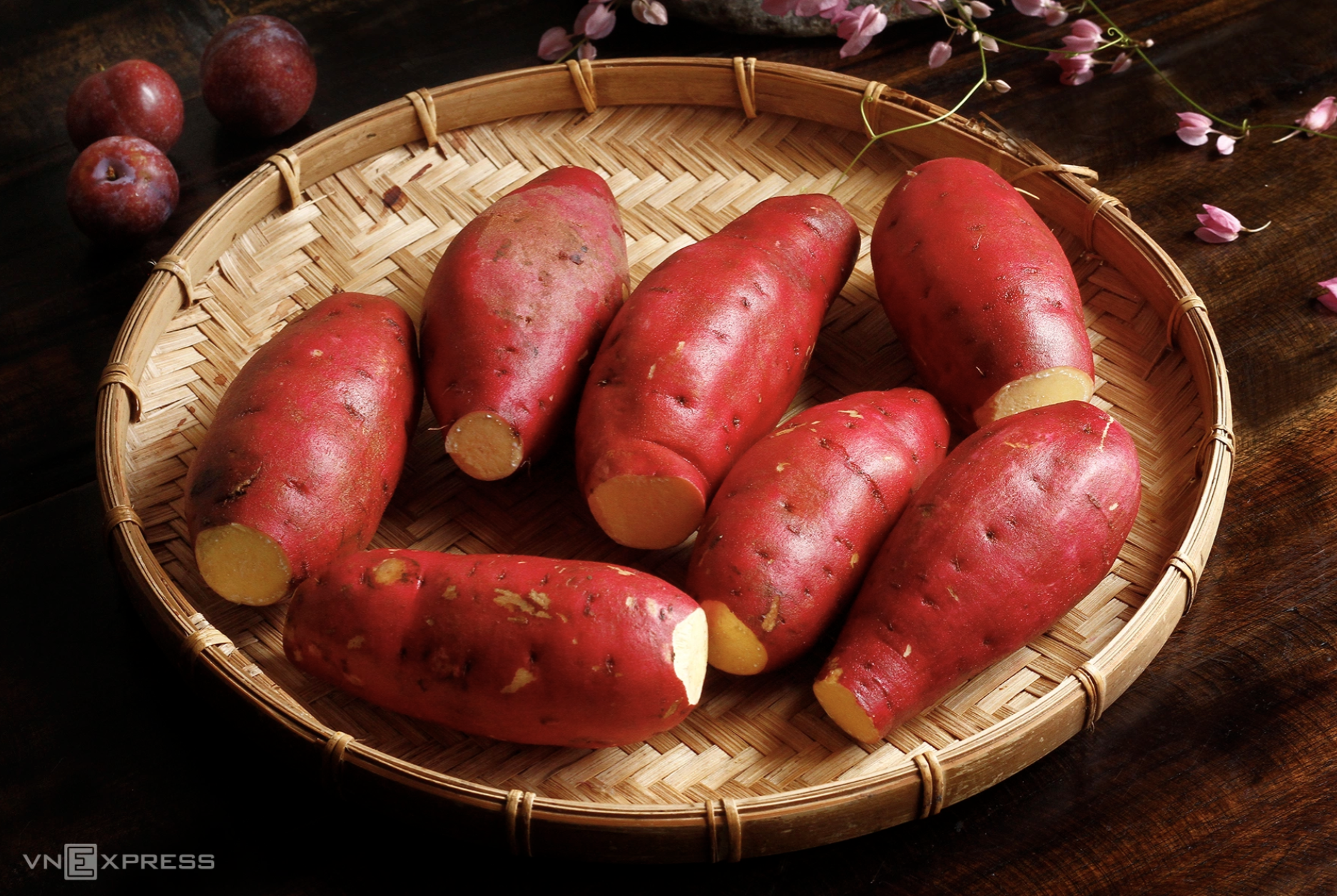 |
Experts recommend supplementing over 35g of fiber daily with foods like seaweed, sweet potatoes, apples, and konjac jelly to prevent cancer. *Photo: Bui Thuy* |
Antioxidant-Rich Foods
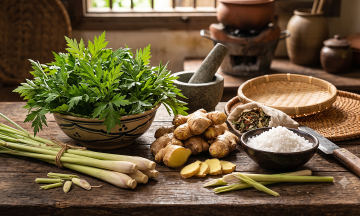
Blueberries, green tea, tomatoes, and spinach are rich in antioxidants. These compounds neutralize free radicals, boost the immune system, and reduce cell damage.
Natural Spices
Spices like garlic, turmeric, chili, and mint possess anti-inflammatory properties and support digestive function. Allicin in garlic and curcumin in turmeric protect gut health.
Calcium and Vitamin D-Rich Foods
Studies show that individuals with high calcium intake can reduce their colon cancer risk by up to 45%. Those who consume many dairy products can reduce their rectal cancer risk by up to 69%. Kale, sardines, fresh milk, and yogurt are recommended as calcium and vitamin D-rich foods to prevent colorectal cancer.
Beyond a balanced diet, everyone should maintain regular exercise, drink enough water, avoid prolonged constipation, and undergo regular colorectal cancer screenings. Individuals over 40, those with a family history of the disease, or those with a diet high in fat and meat should be vigilant to protect their health.
My Y (According to vibes by 8world)