Answer:
Early menopause is defined as a woman stopping menstruation before the age of 45. This condition is actually a factor that reduces the risk of breast cancer. Estrogen, a female sex hormone, stimulates the division of mammary gland cells. The longer the exposure to estrogen, the higher the risk of breast cancer.
During menopause, the ovaries cease activity, and estrogen hormone levels decline. This helps inhibit mammary gland cells, reducing the likelihood of mutations, excessive proliferation, and development into malignant tumors. The earlier menopause occurs, the shorter the total time breast tissue is exposed to estrogen. While early menopause contributes to a lower risk of breast cancer, it does increase the risk of other conditions such as osteoporosis, coronary artery disease, myocardial infarction, and stroke. This situation often leads to estrogen deficiency, causing symptoms like hot flashes, vaginal atrophy, insomnia, and a reduced quality of life.
 |
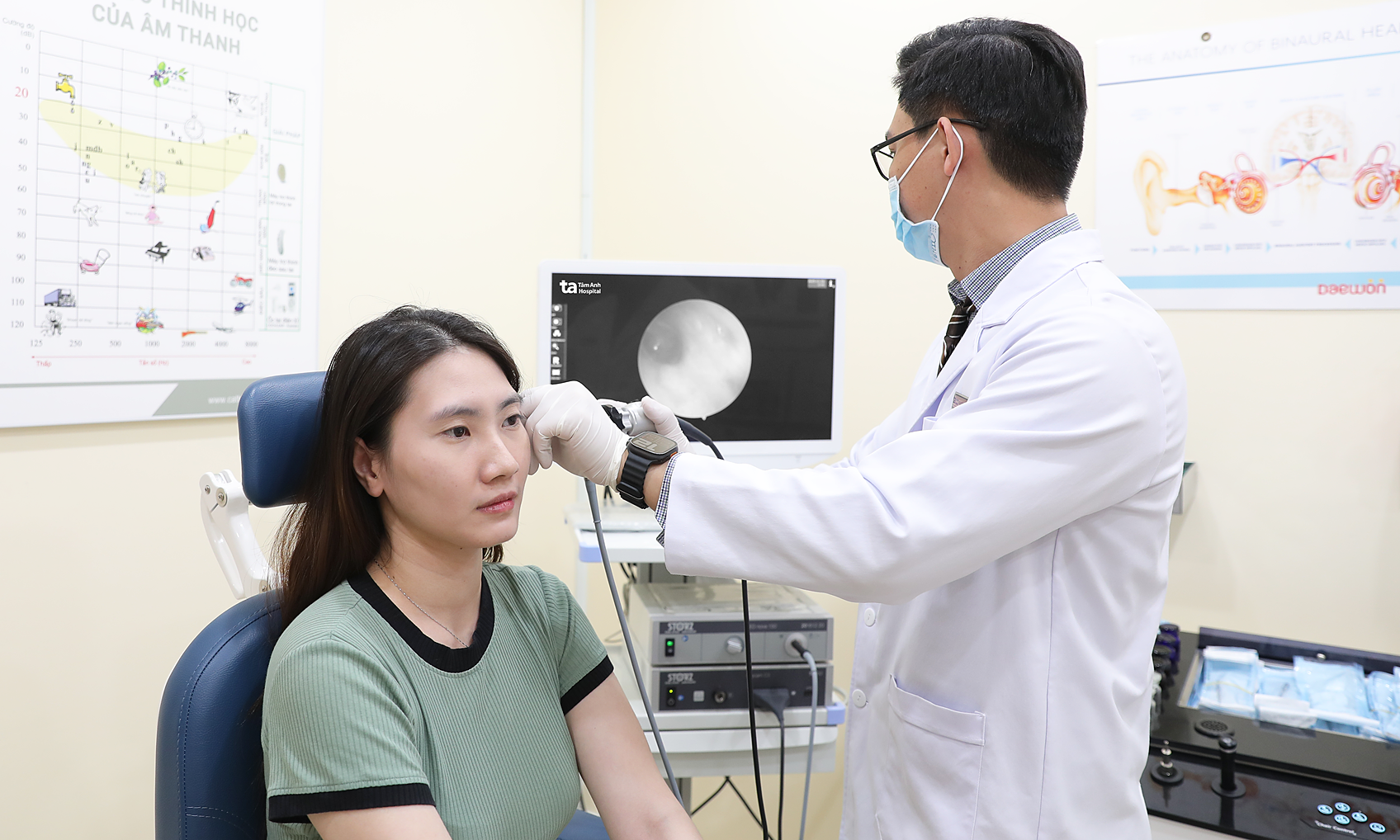
Doctor Manh advises a patient. Photo: Tam Anh General Hospital
Risk factors for breast cancer include a family history of the disease in a maternal grandmother, mother, aunt, or sisters; BRCA1/BRCA2 gene mutations; overweight and obesity; and heavy alcohol consumption. You should maintain a scientific diet, engage in physical exercise, and limit the use of hormone replacement therapies. Women over 40, even those who have experienced early menopause, still need regular breast cancer screenings through mammograms and ultrasounds. These screenings help detect any abnormalities early, even before symptoms appear.
Master, Doctor, Second-Degree Specialist Pham Tuan Manh
Department of Surgical Oncology, Oncology Center
Tam Anh General Hospital, TP HCM
| Readers can submit questions about cancer here for doctors to answer |