Minh was involved in a traffic accident, causing his entire chest to hit the road forcefully. He was initially admitted to a provincial hospital for emergency treatment, where doctors diagnosed rib fractures and treated him as an inpatient for one week. After discharge, he continued to experience significant left chest pain. A subsequent CT scan at Tam Anh General Hospital, TP HCM, revealed seven fractures on his left side, from ribs 2 through 8. These fractures were displaced and overlapping, with three ribs severely comminuted, leading to instability in his rib cage.
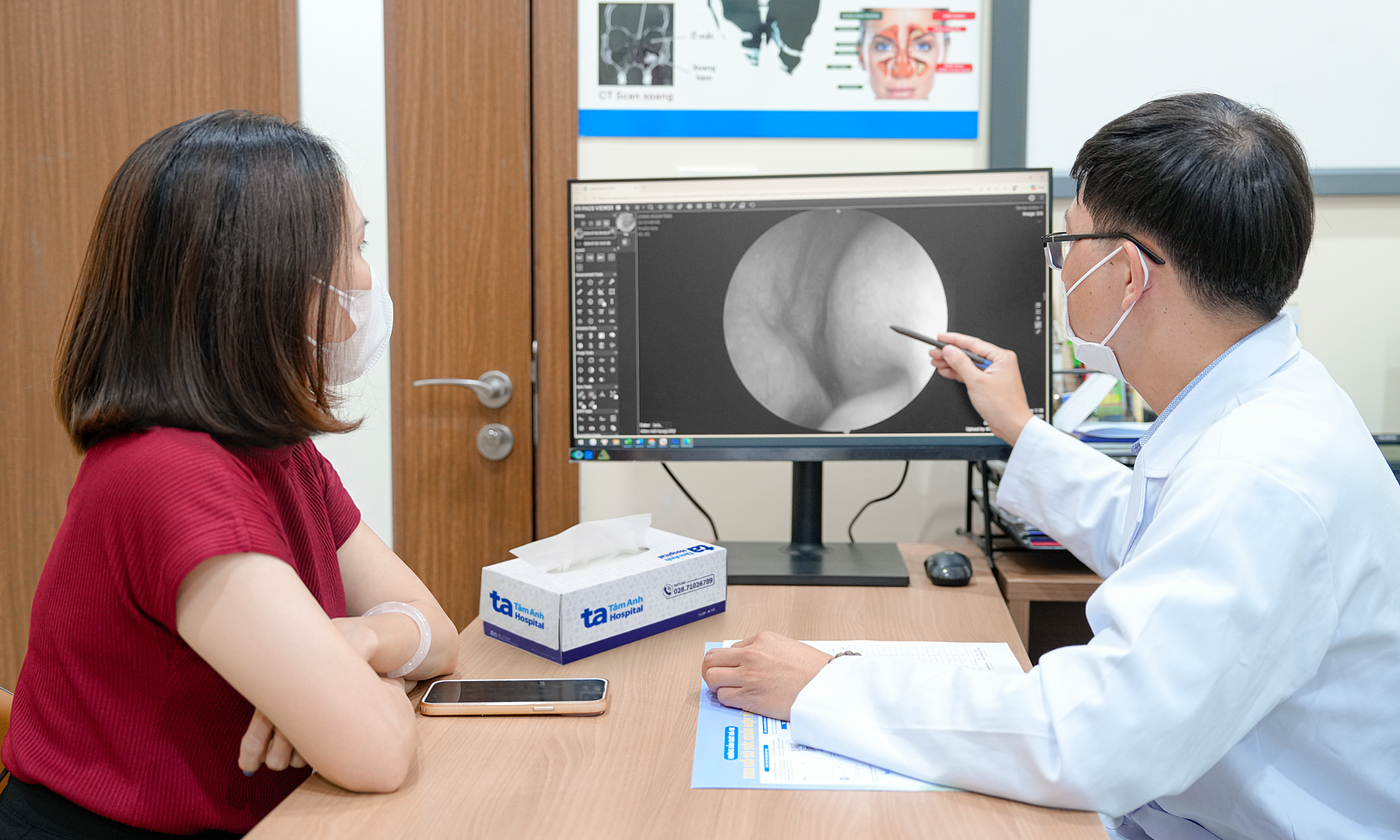
According to Doctor Le Chi Hieu, from the Thoracic and Vascular Surgery Center, minor rib fractures typically heal naturally with bone callus formation over time. This process usually takes at least three months for individuals without underlying health conditions and with good nutrition and care. However, in Minh's case, the displaced and overlapping bone fragments were unlikely to heal on their own. Even if they did, the bones would not align straight, resulting in a weak spot prone to re-fracture.
If a patient sustains posterior rib fractures, the surrounding muscles offer some protection. In Minh's situation, the fractures were located anteriorly, close to the skin and palpable. Consequently, even slight movements caused intense pain, which worsened when he twisted or moved. Without surgical intervention to stabilize the ribs, Minh would have endured prolonged pain for many months, increasing his risk of chest wall muscle spasms, chest deformity, shortness of breath, lung collapse, and chronic pneumonia.
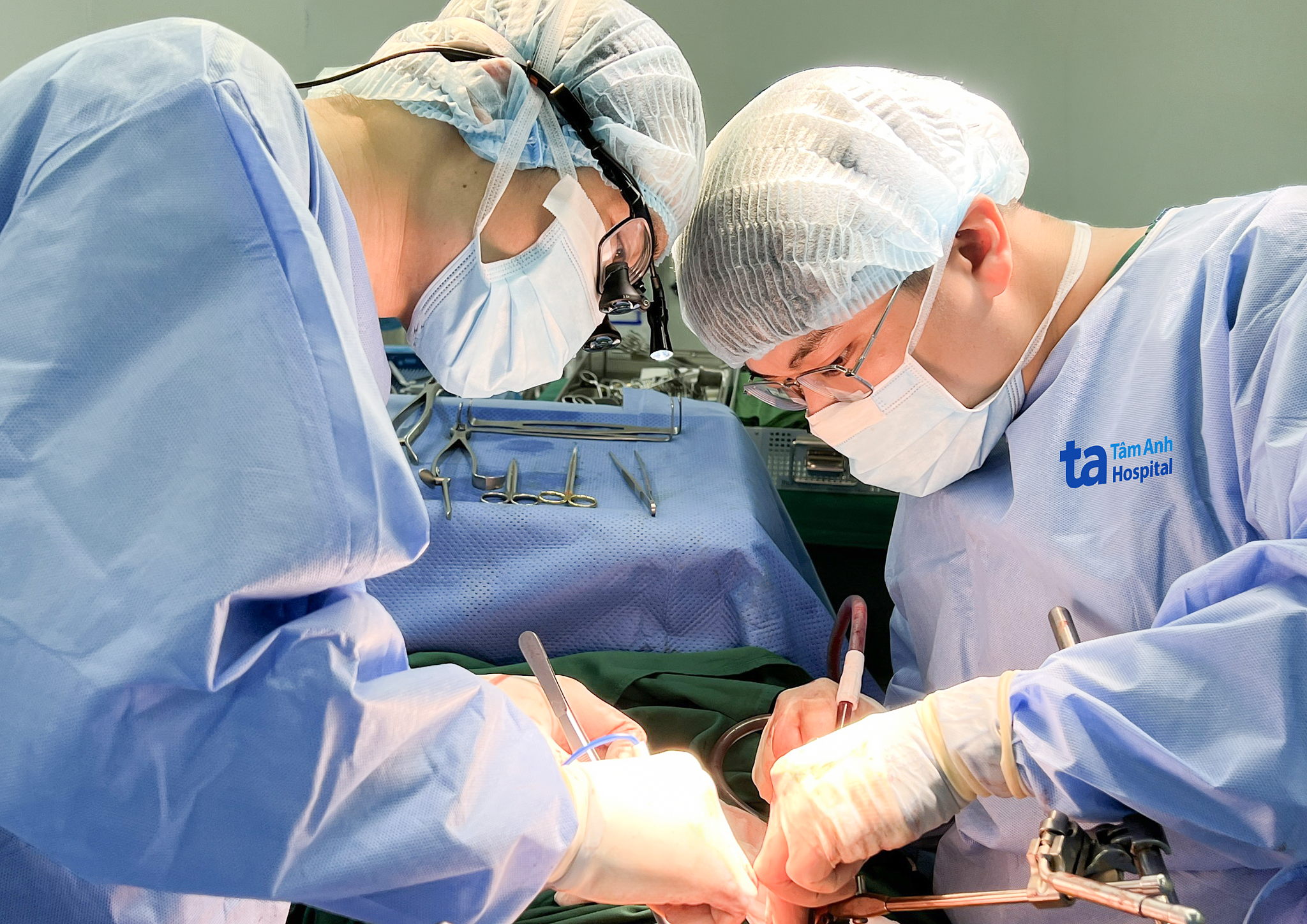 |
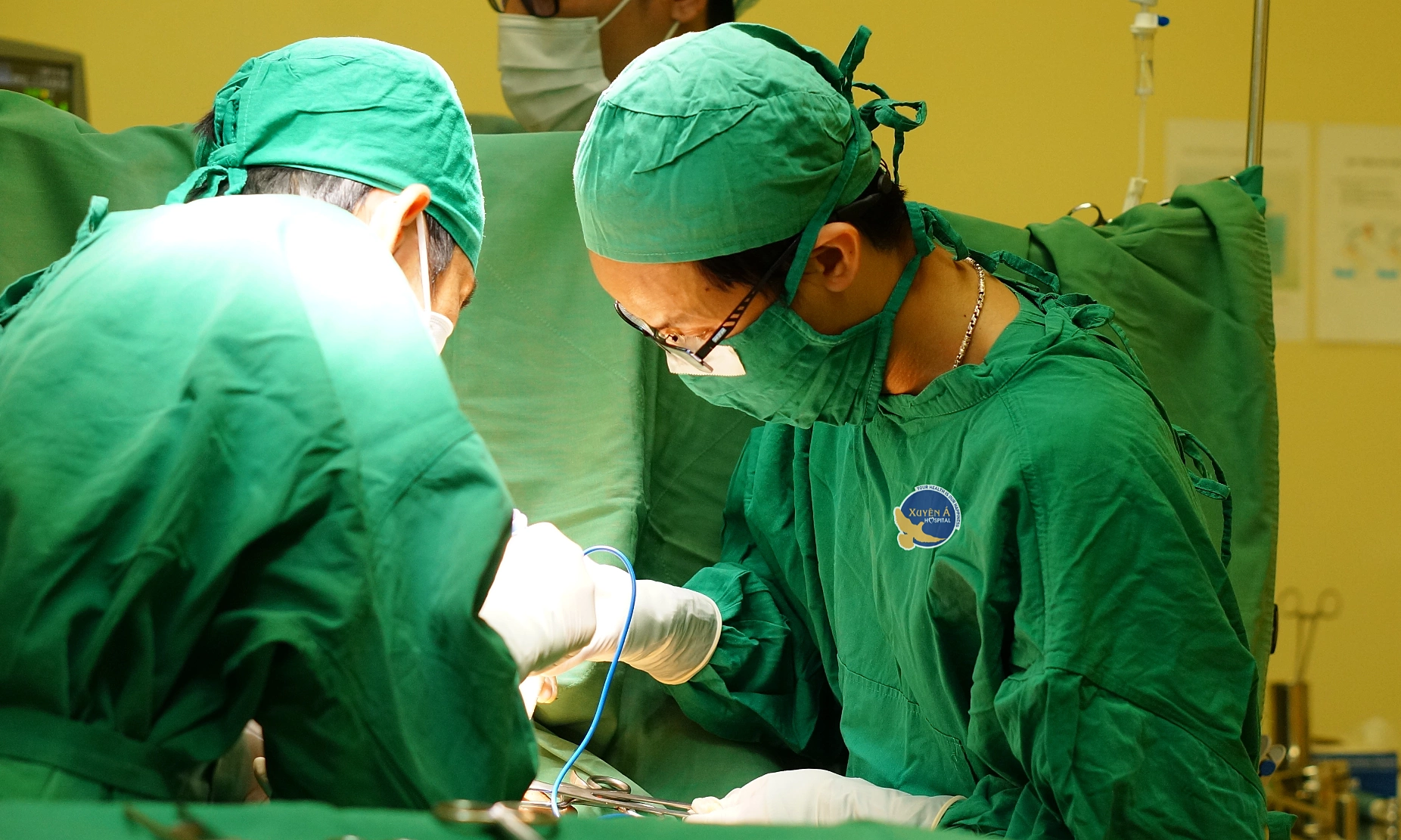
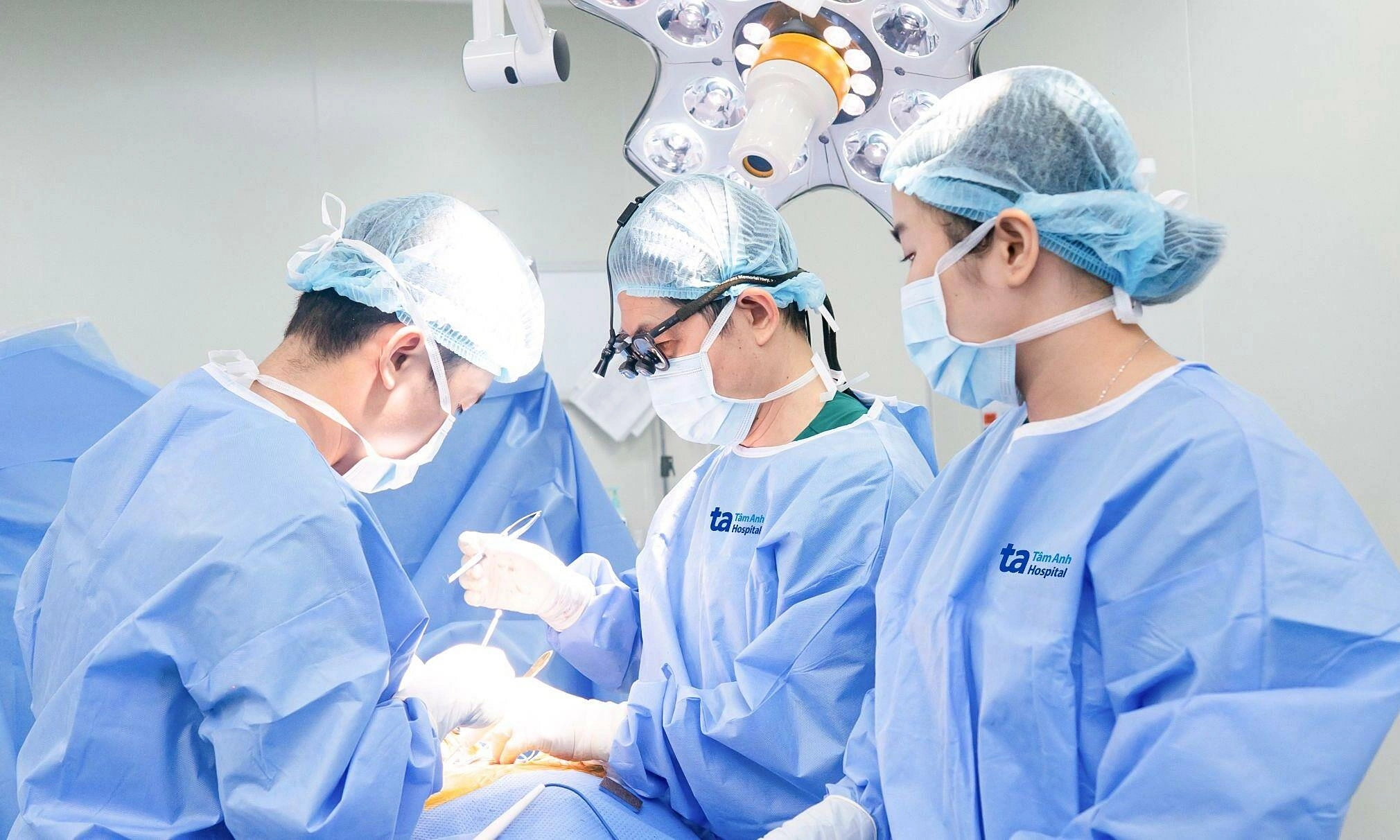
Doctor Hieu (right) and the surgical team perform rib plating for the patient. Photo: Tam Anh General Hospital. |
Doctors performed plate and screw fixation surgery for Minh, a technique that involves realigning the fractured bone ends to their normal position before securing them with plates and screws. The goal of this procedure is to provide stable fixation of the fracture, limit severe complications, and accelerate bone healing, helping the patient return to daily activities sooner.
After making an incision on the chest, the surgical team carefully reassembled the comminuted ribs 6, 7, and 8, then secured them with plates and screws. As an elderly patient with brittle bones, the surgeons had to perform the procedure meticulously while minimizing surgical time. This approach ensured optimal bone healing without increasing the risk of cardiovascular or respiratory complications post-surgery.
The surgery concluded in just over one hour. The remaining fractures were not significantly displaced and were expected to heal naturally without the need for plates and screws.
Following the operation, Minh experienced significantly less chest pain. He was instructed to practice deep breathing exercises to prevent pneumonia and lung collapse, and was able to eat and move normally. He was discharged after five days.
Doctor Hieu explained that plate and screw fixation is indicated for cases involving displaced fractures, intra-articular fractures, severely comminuted bone shaft fractures, or fractures that fail to heal after a period of conservative treatment. Depending on the patient's constitution, the extent of the injury, and their regimen of exercise and nutrition, the average recovery time for rib fractures ranges from one to six months. If the fractures are accompanied by damage to other organs, such as the lungs, liver, spleen, or kidneys, the recovery period may be longer.
Initial first aid directly impacts the outcome of rib fracture treatment. Doctor Hieu advises that if a rib fracture is suspected, the victim should be placed in a comfortable position, with movement restricted. Loosen clothing and remove any items that could impede breathing, such as scarves, jackets, or belts. If there is bleeding, apply direct pressure with a clean cloth or gauze to stop it. A cold compress can be applied to the injured area to temporarily reduce swelling and pain. Do not transport the victim by motorcycle; instead, call for emergency services or use appropriate transportation to prevent further injury. If a spinal injury is suspected, ensure the head, neck, and torso are kept in a straight alignment throughout transport.
To reduce the risk of bone fractures, older adults should ensure their diet includes adequate calcium, vitamins, and minerals. They should also maintain physical activity at an appropriate intensity for their physical condition, undergo regular health check-ups (at least every six months), and treat osteoporosis early. Additionally, it is crucial to prevent fall risks, such as slippery floors and obstacles, and limit independent travel by motor vehicles.
Thu Ha
* Patient's name has been changed.
| Readers can submit questions about cardiovascular disease here for doctors to answer. |