


The liver is unique in its remarkable ability to self-heal, yet it tirelessly processes nutrients, filters toxins, and manages blood sugar.
According to nutritionist Amy Davis of New Orleans, filling one's diet with nutrient-rich foods eases the liver's burden, which is especially important for individuals with metabolic-associated fatty liver disease (MAFLD), type two diabetes, or obesity.
Michelle Routhenstein, a specialist at EntirelyNourished.com, emphasizes that to protect the liver, focus on whole foods rich in fiber, polyphenols, and anti-inflammatory compounds. These elements help shield liver cells from oxidative stress.
Here is a list of 12 "golden" foods for liver health, recommended by experts:
Artichoke
Artichokes contain soluble fiber and antioxidants like cichoric acid and silymarin. These compounds stimulate bile production, a crucial liver function for fat breakdown, and protect liver cells.
Pomegranate
Rich in polyphenols, particularly ellagitannins, pomegranates help reduce inflammation and prevent fat accumulation in the liver.
Broccoli
As a cruciferous vegetable, broccoli contains glucosinolates, which aid the liver in releasing natural detoxifying enzymes.
Avocado
High in monounsaturated fats, especially oleic acid, avocado helps reduce liver fat and protects liver cells from the damage caused by saturated fats found in fatty meats or animal butter.
Brussels sprouts
Similar to broccoli, these vegetables enhance the activity of detoxifying enzymes and support anti-cancer and anti-inflammatory processes.
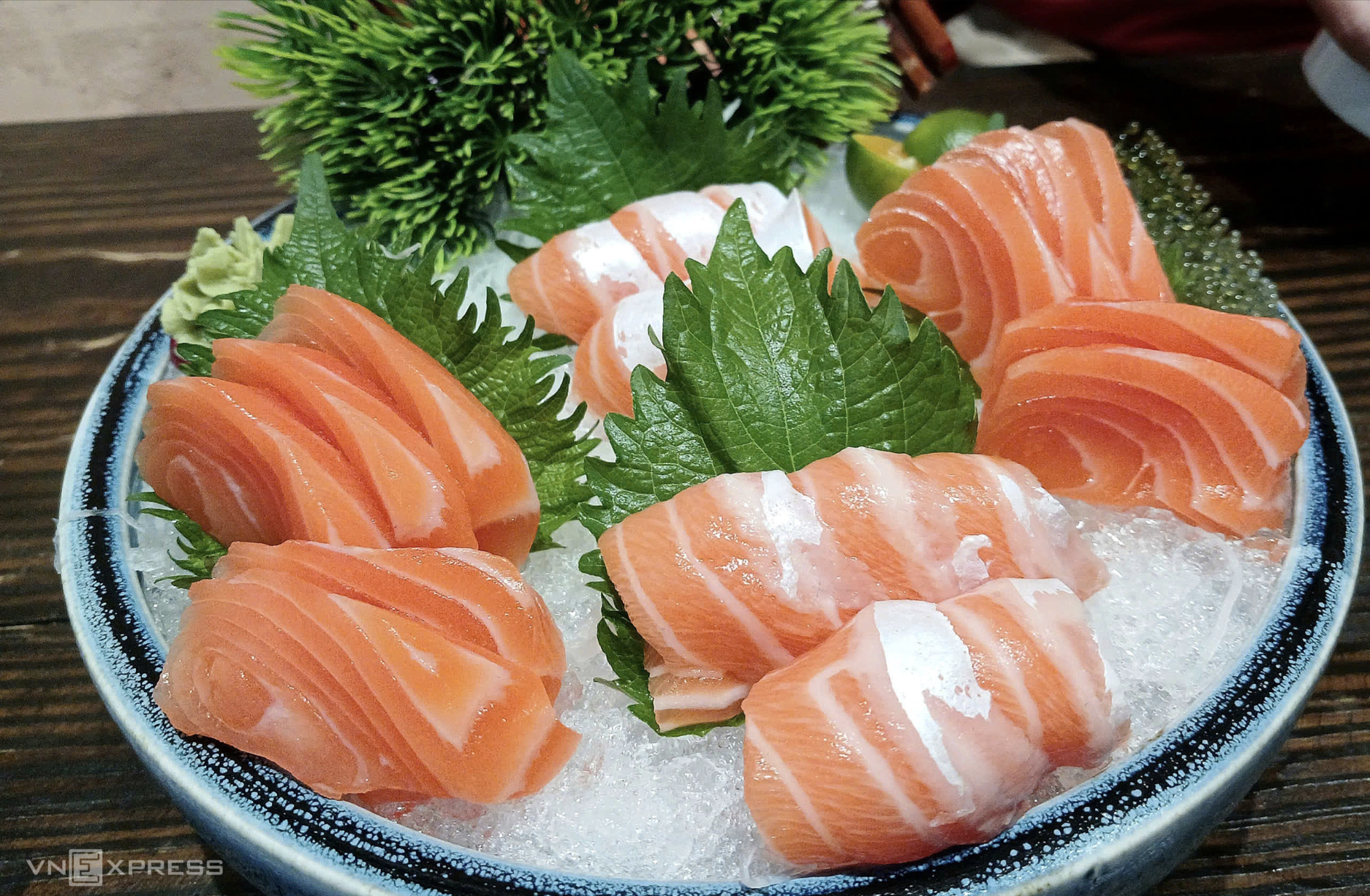 |
Salmon effectively helps reduce liver fat naturally. Photo: Thi Ha |
Salmon
A rich source of omega-3s, salmon helps improve fatty liver conditions, reduce triglycerides, and increase good cholesterol (HDL).
Sardines
Another excellent source of omega-3s, sardines help improve insulin sensitivity and support healthy fat metabolism.
Celery
Celery contains apigenin, a flavonoid with strong antioxidant properties. It helps limit fat accumulation and supports the liver's natural detoxification pathways.
Spinach
Green leafy vegetables like spinach contain chlorophyll, which binds to heavy metals to reduce toxicity and protect liver function.
Cranberry
Cranberries contain anthocyanins, which protect the liver from oxidative damage. Research indicates that these berries can reduce markers of fatty liver disease and improve insulin resistance.
Orange
A rich source of apigenin, oranges have a positive effect in preventing and supporting the treatment of cirrhosis and liver cancer.
Coffee
Surprisingly, coffee is a significant source of antioxidants. Drinking about three cups of coffee daily can substantially reduce the risk of cirrhosis and liver cancer compared to non-drinkers.
For optimal liver function, experts recommend minimizing the following food groups that can stress the liver:
Alcoholic beverages: A direct cause of liver cell damage.
Saturated fats: Found in fatty meats, butter, and industrially baked goods.
Processed foods: Contain many preservatives and additives.
Foods with added sugar: Can easily lead to fatty liver disease and hepatitis.
While diet is foundational, if you have liver conditions, always consult a doctor or nutritionist for a personalized treatment plan.
My Y (According to Elle)


